The Magic of Fluid Power: An Introduction
If you drive an automatic SUV, you rely on a marvel of hydraulic engineering every time you press the gas pedal. For owners of America’s most popular midsize SUV, understanding the torque converter for Ford Explorer models is the key to diagnosing drivability issues, understanding fuel economy, and knowing when a repair is necessary. Unlike a manual transmission that uses a mechanical friction clutch to connect the engine to the gears, an automatic transmission uses a fluid coupling—the torque converter.
To put it in the simplest terms possible: imagine two electric fans facing each other. If you turn one fan on (the engine), it blows air that causes the blades of the second fan (the transmission) to spin, even though they aren't physically touching. A torque converter does exactly this, but instead of air, it uses pressurized automatic transmission fluid (ATF) to multiply torque and transfer power.
Inside the Shell: The 4 Core Components
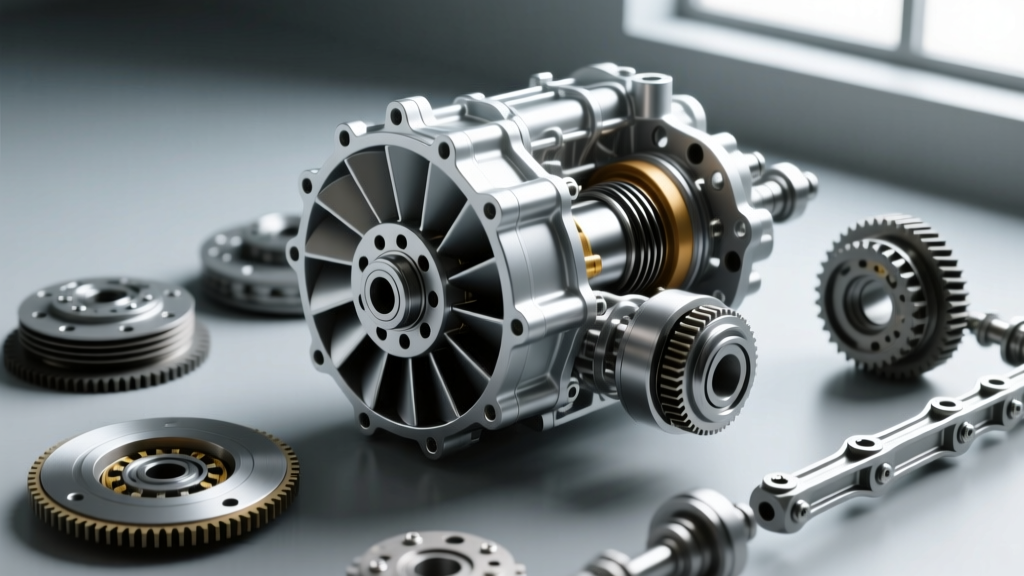
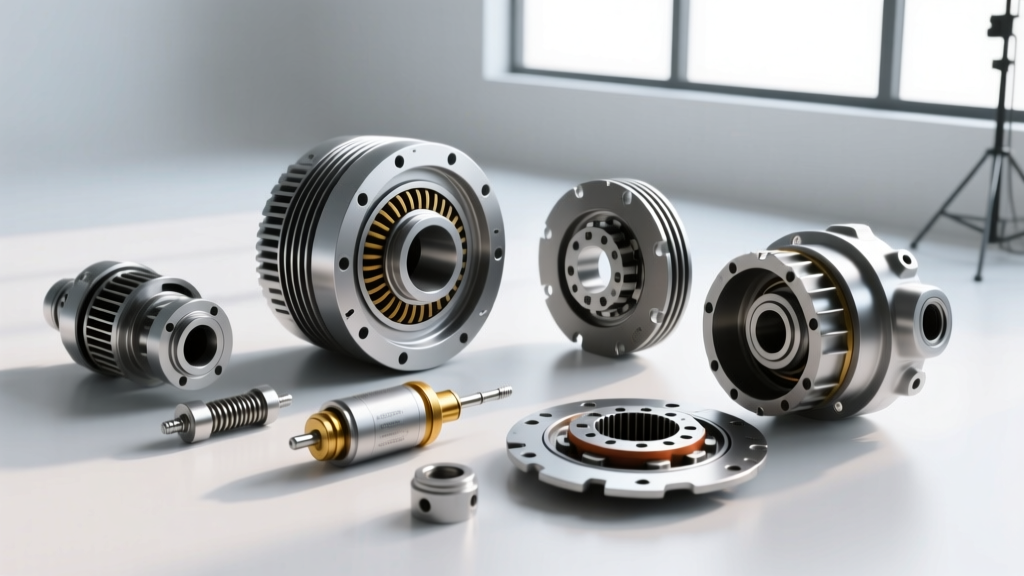
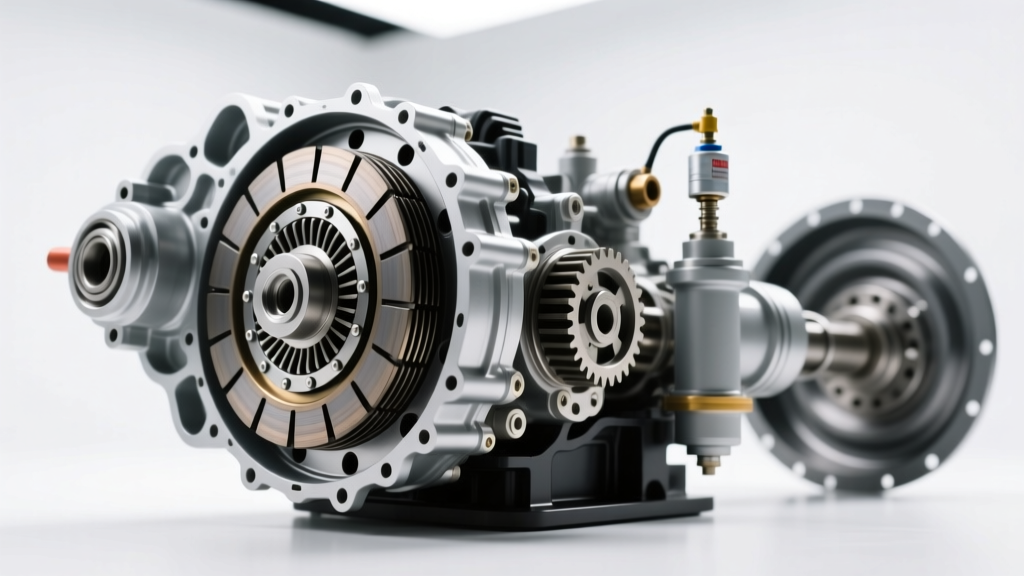
Before we look at how this applies specifically to Ford’s SUV lineup, you need to know what is spinning inside the heavy metal donut bolted to your engine's flexplate. Every torque converter contains four main components:
- The Impeller (Pump): Bolted directly to the converter shell and the engine’s flexplate. It spins at engine RPM, using centrifugal force to fling transmission fluid outward.
- The Turbine: Connected to the transmission's input shaft. The fluid thrown by the impeller strikes the curved blades of the turbine, causing it to spin and drive the vehicle forward.
- The Stator: The unsung hero of torque multiplication. Sitting in the center between the impeller and turbine, the stator redirects returning fluid back into the impeller. It is mounted on a one-way clutch, allowing it to lock up and multiply torque during acceleration, but freewheel during highway cruising to prevent drag.
- The Torque Converter Clutch (TCC): A friction-lined piston inside the converter. At highway speeds, fluid coupling creates heat and loses efficiency. The TCC physically locks the turbine to the impeller shell, creating a 1:1 mechanical connection for maximum fuel economy.
Generational Differences: 6R80 vs. 10R80 Explorers
The way your torque converter operates depends heavily on which generation of Explorer you are driving. Ford has utilized two primary rear-wheel-drive-based automatic transmissions in the Explorer over the last 15 years, each with vastly different torque converter architectures.
5th Generation (2011–2019): The 6R80 Transmission
The 5th Gen Explorer (including the 3.5L V6 and 2.0L/2.3L EcoBoost models) uses the ZF-designed, Ford-built 6R80 6-speed automatic. The torque converter in the 6R80 features a traditional single-plate Torque Converter Clutch (TCC). When the vehicle reaches a steady cruising speed (usually above 40 mph), the TCC applies, locking the engine to the transmission. While robust, the single-plate design means lockup can only occur at higher speeds without causing severe engine vibration or 'lugging'.
6th Generation (2020–2026): The 10R80 Transmission
The current 6th Gen Explorer uses the advanced 10R80 10-speed automatic. To handle the massive torque of the 3.0L EcoBoost V6 (found in the Explorer ST and Platinum) while maintaining fuel economy, Ford implemented a triple-clutch TCC. By using three smaller friction plates instead of one large one, the 10R80 torque converter can engage the lockup clutch much earlier and at lower RPMs. This keeps the engine in its most efficient power band and eliminates the 'slipping' feeling of older automatics, making the SUV feel more like it has a direct-drive manual transmission.
Expert Insight: Because the 10R80 relies on a multi-plate lockup clutch operating at lower RPMs, it is highly sensitive to fluid viscosity. Using the wrong fluid will cause immediate TCC slip and premature clutch burnout.
The 3 Stages of Torque Converter Operation
When you are driving your Explorer through a city environment and onto the highway, the torque converter transitions through three distinct phases:
- Stall (Idle & Initial Launch): You are stopped at a red light with your foot on the brake. The impeller is spinning, but the turbine is held stationary by the brakes. The fluid creates a vortex, generating heat but allowing the engine to idle without stalling.
- Acceleration (Torque Multiplication): You hit the gas. The impeller spins faster than the turbine. The stator locks on its one-way clutch, redirecting fluid to hit the impeller in the direction of rotation. This multiplies engine torque by up to 2:1, giving your heavy Explorer the mechanical leverage needed to move off the line.
- Coupling (Highway Cruising): The turbine catches up to about 90% of the impeller's speed. The stator begins to freewheel, and the transmission commands the TCC piston to apply, locking the components together for 100% efficiency.
Spotting Trouble: Common Explorer TC Symptoms
Because the torque converter is the bridge between the engine and the drivetrain, failures here mimic engine misfires or transmission slipping. Here are the most common symptoms we see in the shop for Ford Explorers:
1. TCC Shudder (The 'Rumble Strip' Effect)
This is the most frequent complaint among 2016–2019 (6R80) and early 2020–2022 (10R80) Explorer owners. As the TCC attempts to apply at speeds between 30 and 50 mph, worn friction material or degraded fluid causes the clutch to rapidly grab and release. This sends a violent vibration through the chassis that feels exactly like driving over highway rumble strips. Fix: A fluid exchange using the correct OEM fluid and a PCM reflash (via Ford TSB) to alter the TCC apply strategy often resolves this without removing the transmission.
2. Overheating and Burning Smells
If the stator's one-way clutch seizes, it will not freewheel during highway cruising. This creates immense fluid friction, rapidly spiking transmission temperatures and burning the ATF. You will smell a distinct 'burnt toast' odor, and the Explorer's dash may display a 'Transmission Over Temp' warning.
3. Whining or Howling Noises
A whining noise that changes pitch with engine RPM (not vehicle speed) usually points to a failing torque converter needle bearing or a clogged internal filter screen. The pump is starving for fluid, creating cavitation.
Technical Specs, Fluids, and Replacement Costs
Maintaining the correct hydraulic environment is critical. Below is a reference chart for Explorer torque converter specifications and fluid requirements.
| Explorer Generation | Transmission | TC Architecture | Required Fluid Spec | Approx. Total Capacity |
|---|---|---|---|---|
| 2011–2019 (5th Gen) | 6R80 (6-Speed) | Single-Plate TCC | Motorcraft MERCON LV | 11.2 - 13.1 Quarts |
| 2020–2026 (6th Gen) | 10R80 (10-Speed) | Triple-Clutch TCC | Motorcraft MERCON ULV | 13.1 Quarts |
Real-World Replacement Costs (2026 Estimates)
If your torque converter has suffered catastrophic internal failure (e.g., shattered turbine fins or a completely burned TCC), replacement is mandatory. Because the transmission must be dropped to access the converter, labor is the primary expense.
- OEM Torque Converter Assembly: $650 – $950 (Motorcraft / Ford Performance)
- Remanufactured Aftermarket Unit: $400 – $600 (Brands like Sonnax or Transtar often offer upgraded stator tubes and billet covers)
- Transmission Fluid (MERCON ULV / LV): $120 – $180
- Labor (R&R Transmission & TC): $700 – $1,100
- Total Estimated Repair: $1,220 – $2,230
Critical Installation Torque Specs
For the DIY mechanic or the apprentice tech, proper installation is non-negotiable. When mating the torque converter to the engine's flexplate, you must use new OEM bolts. The standard M8 x 1.25 flexplate-to-converter bolts must be torqued to 26 lb-ft (35 Nm). Furthermore, the converter pilot hub must be generously coated with clean transmission fluid before sliding it into the transmission's front pump. Running it dry will instantly destroy the front pump seal and bushing upon startup.
Summary
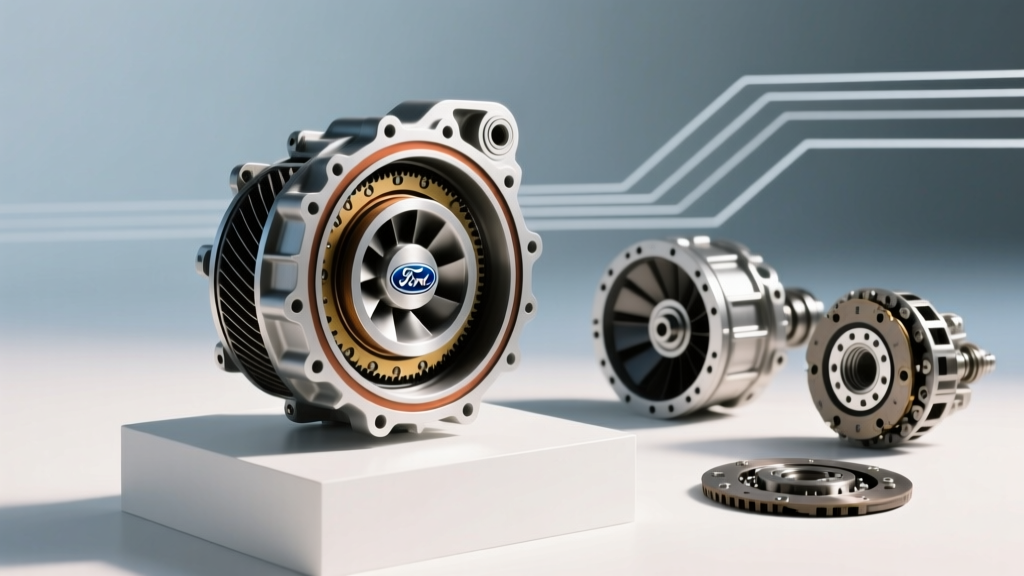
The torque converter for Ford Explorer models is a sophisticated hydraulic multiplier that has evolved from a simple fluid coupling into a highly computerized, multi-clutch efficiency device. Whether you are driving a 5th Gen with the reliable 6R80 or a modern 6th Gen with the 10R80, paying attention to TCC shudder symptoms and strictly adhering to Motorcraft fluid specifications will ensure your SUV shifts smoothly for hundreds of thousands of miles. For deeper diagnostic procedures, always consult the official Ford Owner Manuals or a certified drivetrain specialist.