When watching a Formula 1 race, the sheer violence of a standing start begs a fascinating mechanical question: do F1 cars have clutches? The short answer is yes. However, the technology hidden inside an F1 transmission casing is a world away from the single-plate dry clutch found in your daily driver. Interestingly, the closest relative to the high-tech, multi-plate carbon clutch of a modern Formula 1 car isn't found in a street car at all—it is found in the engine cases of your motorcycle and sport ATV.
As automotive and powersports technology has evolved through 2026, the fundamental physics of multi-plate clutch engagement remain the same, whether you are launching a 1,000-horsepower open-wheel racer or feathering the lever on a 450cc dirt bike. In this beginner-friendly explainer, we will answer the F1 clutch question, bridge the gap to powersports, and dive deep into the most common motorcycle and ATV clutch problems, complete with real-world diagnostic frameworks, torque specs, and repair costs.
Do F1 Cars Have Clutches? The Multi-Plate Connection
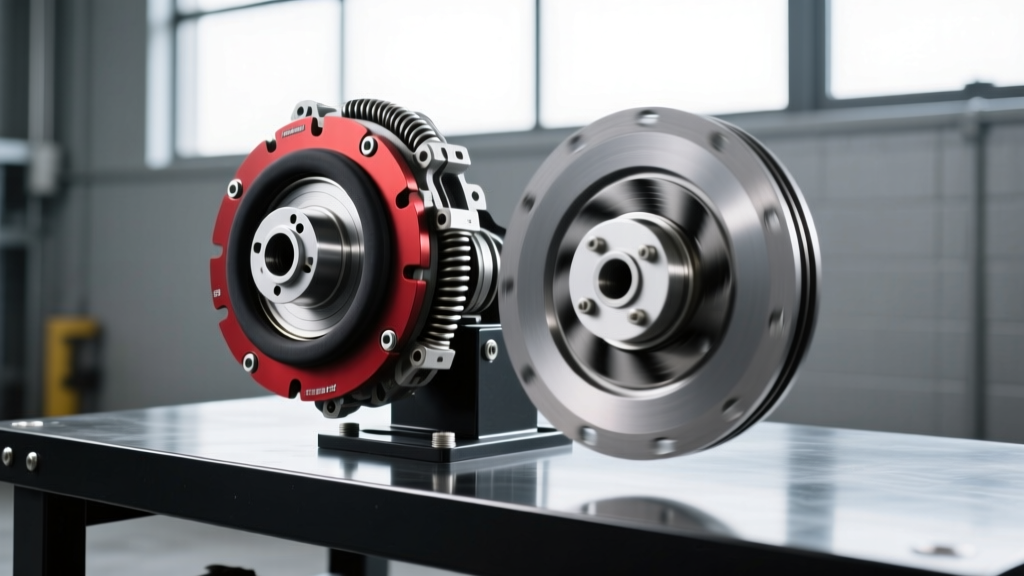
Yes, F1 cars have clutches, but they do not use a traditional foot pedal. Modern F1 clutches are ultra-compact, multi-plate carbon-on-carbon units manufactured by specialists like AP Racing's F1 clutch division. They typically feature three to five friction plates measuring barely 90mm in diameter, housed in a titanium or high-strength steel basket. Because they operate in a dry environment and are actuated by hydraulic release bearings controlled by the ECU, they can handle the immense torque of a 1.6L V6 turbo hybrid powertrain while weighing less than a kilogram.
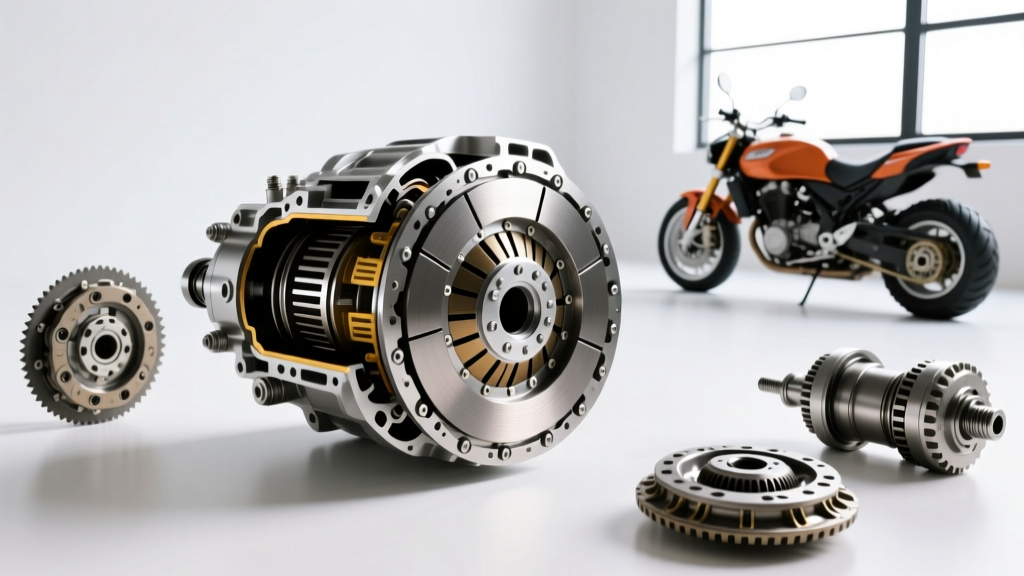
While you won't be rebuilding a $15,000 carbon F1 clutch in your garage, your motorcycle or sport ATV utilizes a remarkably similar multi-plate architecture. Instead of carbon, powersports clutches use alternating layers of steel separator plates and paper, cork, or Kevlar friction plates. Instead of running dry, they are bathed in engine oil (a 'wet' clutch) to manage the intense heat generated during engagement. Understanding this multi-plate design is the key to diagnosing the clutch problems specific to motorcycles and ATVs.
The Crucial Distinction: Wet Multi-Plate vs. CVT Clutches
Before diagnosing an ATV clutch problem, you must identify which system your machine uses. This is a common pitfall for beginners.
- Sport ATVs & Dirt Bikes (Wet Multi-Plate): Machines like the Yamaha YFZ450R, Honda TRX450R, and Kawasaki KX450 use a manual, oil-bathed multi-plate clutch identical in concept to a street motorcycle.
- Utility & Side-by-Side ATVs (CVT): Machines like the Polaris RZR or Can-Am Outlander use a Continuously Variable Transmission (CVT). Their 'clutches' are actually primary and secondary drive pulleys (sheaves) connected by a rubber Kevlar belt. If a Polaris is slipping, you are diagnosing belt wear, sheave sticking, or roller weights—not friction plates.
For the remainder of this guide, we are focusing strictly on manual wet multi-plate clutch problems found in motorcycles and sport ATVs.
Top 4 Motorcycle & ATV Clutch Symptoms (And How to Fix Them)
1. Clutch Slipping Under Heavy Throttle
The Symptom: You are accelerating hard in third gear, the engine RPMs surge, but the vehicle's speed does not increase proportionally. The lever feels normal, but the bike refuses to hook up.
The Diagnosis: Slipping occurs when the clamping force of the clutch springs is overpowered by engine torque, or when the friction material is compromised. In 90% of motorcycle cases, this is caused by glazed friction plates or the use of the wrong engine oil. Automotive oils contain friction modifiers (like molybdenum) that will instantly coat motorcycle friction plates, causing catastrophic slip. Always verify your oil meets JASO motorcycle oil standards (specifically JASO MA or MA2).
The Fix: Drain the oil and replace it with a JASO MA2 certified 10W-40 or 15W-50. If the slip persists, measure the friction plates with a micrometer. If they are below the service limit (typically 2.8mm for a 3.0mm new plate), replace the clutch pack and install stiffer aftermarket springs (e.g., Hinson or Pro X).
2. Clutch Drag and Creeping at Stops
The Symptom: With the lever pulled completely to the handlebar, the motorcycle still wants to move forward when in gear. Finding neutral is nearly impossible, and the bike lurches when starting.
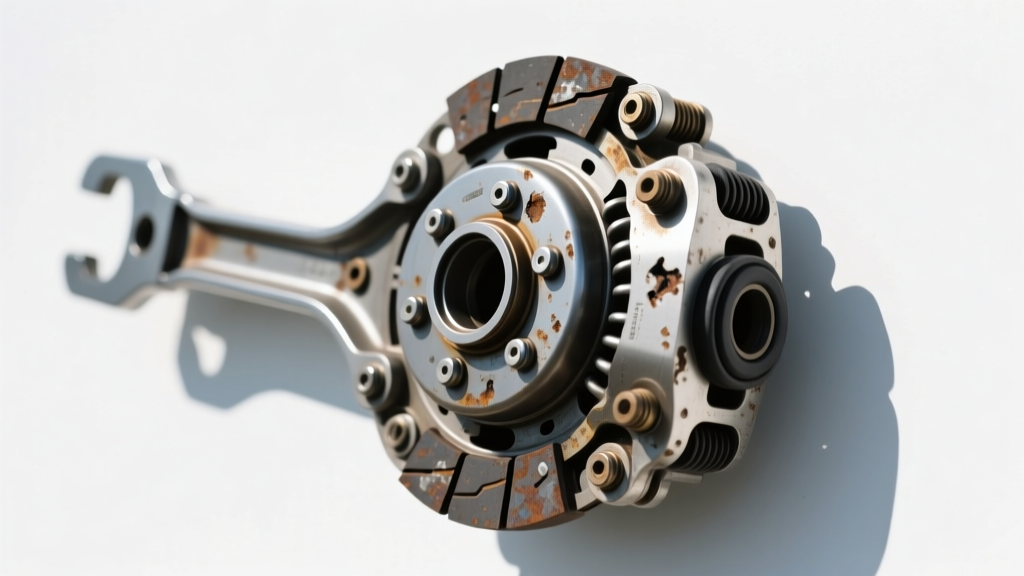
The Diagnosis: Drag means the friction and steel plates are not fully separating. This is frequently caused by warped steel separator plates or a notched clutch basket. When the aluminum fingers of the clutch basket develop grooves (notches) from the steel plates slamming into them during engagement, the plates get stuck and fail to separate when the lever is pulled.
The Fix: Remove the clutch pack. Lay the steel plates on a known flat surface (like a piece of glass) and check for warpage with a feeler gauge (service limit is usually 0.1mm to 0.3mm). Inspect the aluminum clutch basket tangs. If notched, you must replace the basket or send it out for a billet sleeve repair.
3. Lever Chatter, Grabbing, and Vibration
The Symptom: As you slowly release the lever to take off from a stop, the bike shudders violently, and the lever pulses against your fingers.
The Diagnosis: Chatter is almost always a symptom of oil contamination or uneven wear. If engine coolant leaks into the oil (via a blown water pump seal), or if heavy metallic debris from a failing transmission bearing gets trapped between the plates, the friction coefficient becomes erratic. Another culprit is a damaged clutch hub damper (the rubber cush-drive rubbers located behind the clutch center).
The Fix: Check your oil for a milky, chocolate-milk appearance (coolant intrusion). Flush the engine, replace the water pump mechanical seal, and install a fresh clutch pack. Inspect the cush-drive rubbers for tearing or excessive play.
4. Spongy, Stiff, or Notchy Lever Feel
The Symptom: The physical feedback at the lever is degraded. It either feels vague and spongy, or requires immense hand strength to pull.
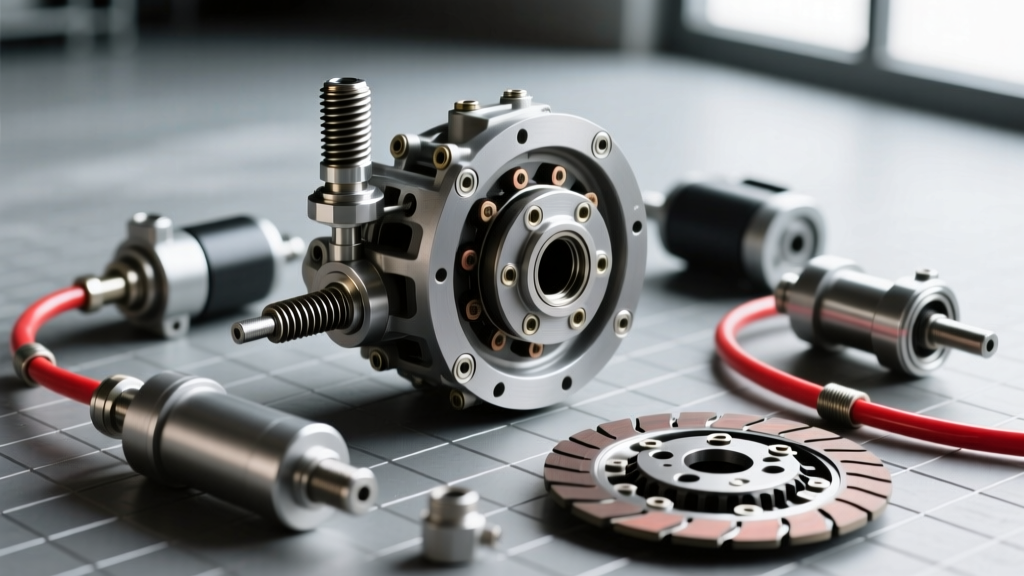
The Diagnosis: This is rarely an internal clutch pack issue and usually points to the actuation system. For cable-actuated bikes, the steel cable is fraying internally or the routing is pinched. For hydraulic clutches (common on modern Ducatis, KTMs, and high-end ATVs), the brake fluid has absorbed moisture (hygroscopic degradation), or the master cylinder seals are bypassing fluid.
The Fix: For cables, lubricate with a dedicated cable luber or replace the cable entirely. For hydraulic systems, bleed the system with fresh DOT 4 or mineral oil (depending on the manufacturer's spec) and inspect the slave cylinder pushrod for scoring.
Diagnostic Matrix: Symptom to Solution
| Primary Symptom | Most Likely Culprit | Required Tool / Measurement | Estimated DIY Parts Cost (2026) |
|---|---|---|---|
| Slipping under load | Glazed plates / Wrong oil | Micrometer (Plate thickness) | $45 (Oil) to $150 (Clutch Kit) |
| Drag / Won't find neutral | Notched basket / Warped steels | Feeler gauge & flat glass surface | $180 - $350 (Billet Basket) |
| Chatter at takeoff | Coolant in oil / Bad cush-drive | Visual oil inspection | $30 (Seal) to $140 (Pack) |
| Spongy lever feel | Air in hydraulic line / Frayed cable | Wrench set / Cable luber | $15 (Fluid) to $40 (Cable) |
Real-World Repair Specs and Costs
To illustrate the mechanical precision required, let's look at a standard clutch replacement on a highly popular sport ATV: the Honda TRX450R (which shares its powerplant architecture with the CRF450X dirt bike).
- Part Selection: A standard replacement friction kit like the EBC Brakes CK1194 clutch kit retails for approximately $110 to $130. This includes the friction plates and heavy-duty springs, but reuses your OEM steel separator plates.
- Friction Plate Spec: New plates measure 3.00mm. The absolute service limit is 2.60mm. If they are at 2.61mm, they are technically in spec, but if you are doing high-load desert racing, replace them.
- Steel Plate Spec: Warpage limit is 0.10mm. Anything beyond this will cause drag.
- Clutch Center Locknut Torque: The nut holding the clutch center to the transmission mainshaft must be torqued to 59 lb-ft (80 Nm). Crucially, you must use a clutch holding tool to prevent the basket from spinning while torquing, and you must peen the locknut collar into the shaft groove (or use a fresh OEM locknut with Loctite 243 if it's a flange-nut design).
- Labor Costs: If you take this to a dealership, expect to pay 1.5 to 2.0 hours of shop time. At an average 2026 rate of $140/hour, labor will cost $210 to $280, bringing the total out-the-door price to roughly $400.
The Golden Rules of Multi-Plate Clutch Maintenance
Whether you are maintaining a track-day motorcycle or a woods-racing ATV, two maintenance habits will double the lifespan of your clutch pack:
- Respect the Free Play: Your clutch lever must have 10mm to 15mm of free play at the tip of the lever before you feel resistance. This free play ensures the release bearing is not constantly riding against the pressure plate, which causes premature wear and slipping. Check this every 500 miles or before every race.
- Never Share Oil with Cars: As mentioned, automotive oils are designed to reduce friction to improve fuel economy. Motorcycle and ATV wet clutches rely
While you may never get your hands on the exotic carbon-fiber multi-plate clutch of a Formula 1 car, the wet multi-plate clutch in your motorcycle or ATV is a marvel of compact engineering. By understanding the symptoms of slip, drag, and chatter, and by adhering to strict torque specs and fluid standards, you can keep your machine hooking up perfectly for years to come.