Decoding the Dashboard: What is a Torque Converter DTC?
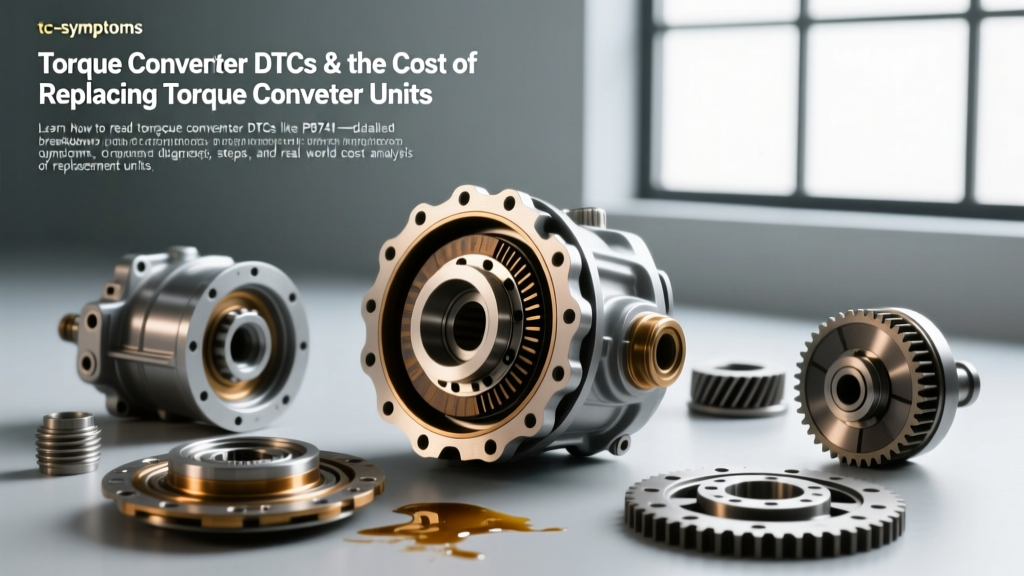
When your check engine light illuminates and your automatic transmission begins shuddering, slipping, or stalling, your vehicle's OBD-II system stores a Diagnostic Trouble Code (DTC). For beginners, this string of alphanumeric characters can feel like a foreign language. However, understanding these codes is the first step in determining whether you need a simple solenoid replacement or if you are facing the significant cost of replacing torque converter assemblies.
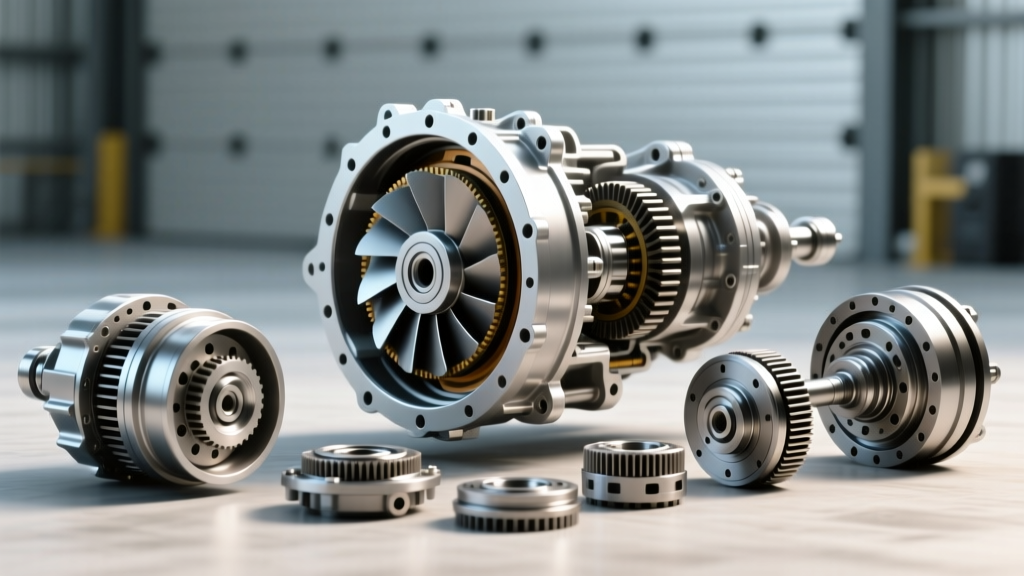
The torque converter acts as a fluid coupling between your engine and transmission, multiplying engine torque and allowing your vehicle to come to a stop without stalling the engine. Inside this sealed unit is the Torque Converter Clutch (TCC), which locks the engine and transmission together at highway speeds for 1:1 efficiency. When the Powertrain Control Module (PCM) detects an anomaly in this circuit or performance, it triggers a P07xx series code.
Pro Tip: Never ignore a flashing check engine light or severe transmission shudder. Continued driving with a slipping TCC will rapidly overheat and destroy the transmission fluid, leading to catastrophic clutch pack failure inside the transmission itself.
The Beginner's Translation Guide: Common Torque Converter DTCs
Before you start pricing out parts, you must pinpoint the exact failure. Below is a structured breakdown of the most frequent torque converter-related diagnostic codes you will encounter in modern vehicles, from the ubiquitous GM 6L80 to the sophisticated ZF 8HP.
| DTC Code | Official Definition | Beginner-Friendly Translation | Common Culprits |
|---|---|---|---|
| P0740 | TCC Circuit Malfunction | The computer sees a general electrical fault in the TCC solenoid circuit. | Wiring harness chafing, corroded connector pins, or a dead solenoid. |
| P0741 | TCC Circuit Performance / Stuck Off | The computer commanded the clutch to lock, but the RPMs didn't drop. It's slipping. | Low fluid, degraded fluid friction modifiers, worn TCC apply valve, or internal TC seal failure. |
| P0742 | TCC Circuit Stuck On | The clutch won't release. The engine and transmission are permanently locked together. | Valve body cross-leaks, debris in the TCC control valve, or a mechanically collapsed torque converter. |
| P0743 | TCC Circuit Electrical | Specific electrical open or short circuit detected in the TCC PWM solenoid. | Blown fuse, broken wire, or internal solenoid coil burnout. |
| P2750 | TCC Control Circuit / Open | Similar to P0743, often found in newer 8, 9, and 10-speed transmissions. | Mechatronic unit connector sleeve failure (common in ZF 8HP units). |
Deep Dive: Diagnosing P0741 and P0742
P0741: The Infamous Shudder
If you drive a GM truck or SUV with the 6L80 or 8L90 transmission, P0741 is a frequent headache. Often, this code is accompanied by a 'shudder' feeling at 45-55 mph under light throttle. According to Sonnax Tech Resources, this is rarely a dead torque converter on the first occurrence. Instead, it is usually caused by the TCC apply valve wearing out the aluminum valve body bore, preventing adequate hydraulic pressure from clamping the clutch. A simple valve body repair kit or a specialized TCC shudder fix additive can sometimes resolve this without dropping the transmission.
P0742: The Engine Stall
When P0742 triggers, your car will likely stall when coming to a stoplight, much like a manual transmission car when you forget to press the clutch pedal. This means the TCC is mechanically stuck in the applied position. In Ford 6R80 transmissions, this can sometimes be traced to a sticking solenoid in the mechatronic unit, but if the fluid smells severely burnt and contains heavy metallic glitter, the torque converter's internal clutch lining has physically welded itself together.
Diagnostic Steps Before Spending Money
Do not immediately assume the worst. Follow this beginner-friendly diagnostic framework to isolate the issue:
- Check the Fluid Level and Condition: Pull the dipstick (if equipped) or check the fill plug. Fluid should be red or pink and smell sweet. If it is dark brown or black and smells like burnt toast, the internal friction material of the TCC has disintegrated.
- Scan with a Bi-Directional Tool: Use an advanced OBD-II scanner to command the TCC solenoid duty cycle while watching the RPM drop. If the scanner commands 100% lockup but the RPMs do not match the vehicle speed ratio, you have a hydraulic or mechanical failure.
- Multimeter Resistance Test: For electrical codes like P0743, test the TCC solenoid. For example, the TCC solenoid on a standard 4L60E should read between 20 to 30 ohms at room temperature. An infinite reading means an internal open circuit.
The Financial Reality: Breakdown of Replacement Costs
When diagnostics confirm internal mechanical failure, you must remove the transmission to access the unit. As of 2026, the cost of replacing torque converter hardware varies drastically based on the vehicle platform, drivetrain configuration, and whether you choose an OEM or remanufactured part.
| Vehicle Class / Transmission | Part Cost (Reman / OEM) | Estimated Labor Hours | Total Shop Cost Range |
|---|---|---|---|
| Economy FWD Sedan (e.g., Honda 5AT) | $250 - $450 | 6.0 - 8.0 Hours | $900 - $1,600 |
| Light Duty RWD/4WD Truck (e.g., GM 6L80E) | $350 - $700 | 7.0 - 10.0 Hours | $1,400 - $2,600 |
| Heavy Duty Diesel (e.g., Ford 6R140) | $800 - $1,500 | 10.0 - 14.0 Hours | $2,500 - $4,200 |
| Luxury Euro (e.g., BMW ZF 8HP) | $900 - $1,800 | 8.0 - 11.0 Hours | $2,800 - $4,500+ |
Note: Luxury European vehicles like those equipped with the ZF 8HP require specialized OEM fluid (such as ZF Lifeguard 8), integrated transmission pan/filter replacements, and mechatronic sealing sleeve updates during the service, which heavily inflates the final invoice.
Critical Installation Specs: Doing it Right
If you are tackling this job in your home garage to save on labor costs, precision is non-negotiable. A poorly installed torque converter will destroy the transmission oil pump before you even leave the driveway.
- The 'Three Clunks' Rule: When sliding the torque converter onto the transmission input shaft, you must feel three distinct 'clunks' or drops. This confirms engagement with the turbine splines, the stator support, and finally the transmission oil pump drive gear.
- Recess Measurement: Before mating the transmission to the engine, use a straight edge across the bellhousing. The torque converter mounting pads must be recessed at least 1/8-inch to 1/4-inch below the bellhousing surface. If it sits flush, the converter is not fully seated and will crush the oil pump.
- Pre-Filling: Always pre-fill the torque converter with 1 to 2 quarts of the correct ATF before installation to prevent a dry-start condition that can instantly score the pump gears.
- Flexplate Torque Specs: When bolting the converter to the engine flexplate, use a high-strength threadlocker. For GM LS/LT engines, the M10 flexplate bolts require exactly 46 lb-ft of torque in a star pattern. For Ford modular V8s, the spec is typically 35 to 40 lb-ft.
Final Thoughts on Torque Converter Health
While seeing a P0741 or P0742 code can be intimidating, understanding the mechanics behind the failure empowers you to make smart financial decisions. By performing basic fluid inspections and electrical tests, you can accurately determine whether a simple valve body repair will suffice, or if you must prepare for the full cost of replacing torque converter components. For further reading on transmission code definitions and mechanical failure points, the OBD-Codes P0741 Guide and the Automatic Transmission Rebuilders Association (ATRA) offer excellent, in-depth technical bulletins to aid your diagnostic journey.