The Diagnostic Baseline: Is the Sensor Actually Dead?
When your vehicle's Transmission Control Module (TCM) triggers a P0715 (Input/Turbine Speed Sensor Circuit Malfunction) or P0717 (Input Speed Sensor No Signal), the immediate instinct for many DIYers and general repair shops is to replace the transmission input shaft speed sensor. However, in 2026, with TCMs sampling data at unprecedented frequencies to manage complex torque converter clutch (TCC) slip, throwing parts at a speed sensor code is a costly mistake. Before debating OEM versus aftermarket parts, you must verify the failure.
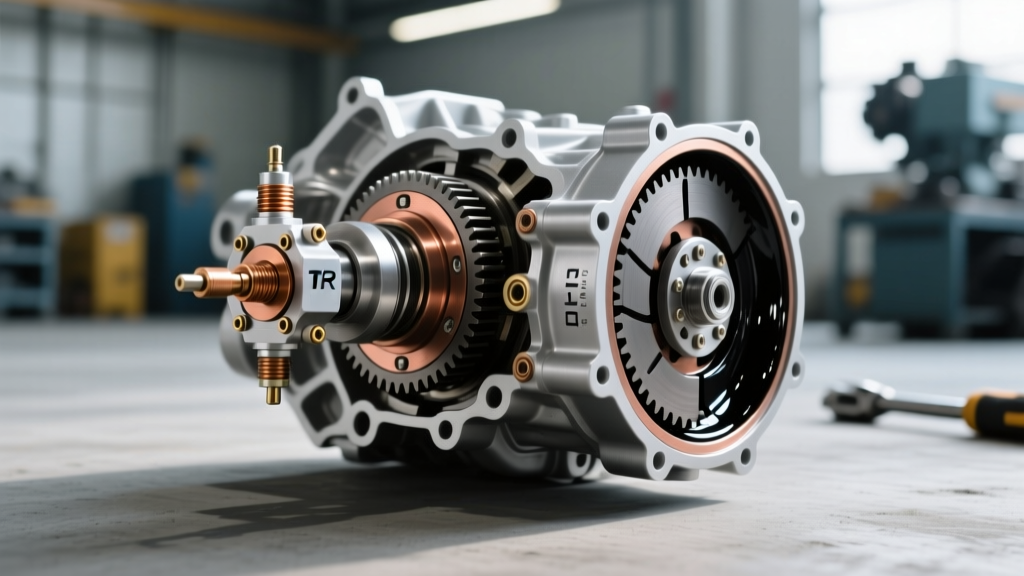
The transmission input shaft speed sensor (ISS) monitors the rotational speed of the transmission's input shaft or torque converter turbine. This data is cross-referenced with the output shaft speed sensor (OSS) to calculate gear ratio, detect clutch slip, and dictate shift timing. According to the OBD-Codes P0715 Guide, a true sensor failure usually presents as a hard code that immediately forces the vehicle into limp mode (often locking it in 2nd or 3rd gear).
Oscilloscope vs. Multimeter Testing
While a multimeter can check for the 5V reference and ground on a 3-wire Hall-effect sensor, it cannot capture the micro-second signal dropouts that modern TCMs detect. To properly diagnose the transmission input shaft speed sensor, an automotive oscilloscope is mandatory. You are looking for a clean, square-wave digital signal (on Hall-effect sensors) or a consistent AC sine wave (on older Variable Reluctance sensors). If the waveform shows 'clipping' or inconsistent amplitude, the issue could be a cracked reluctor ring on the input shaft rather than the sensor itself.
OEM vs. Aftermarket: Inside the Sensor Architecture
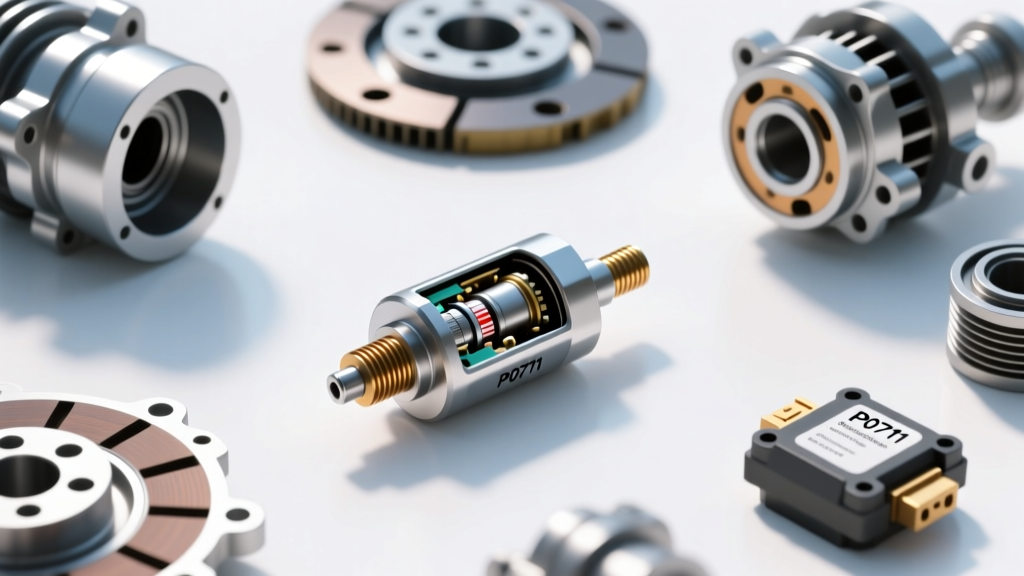
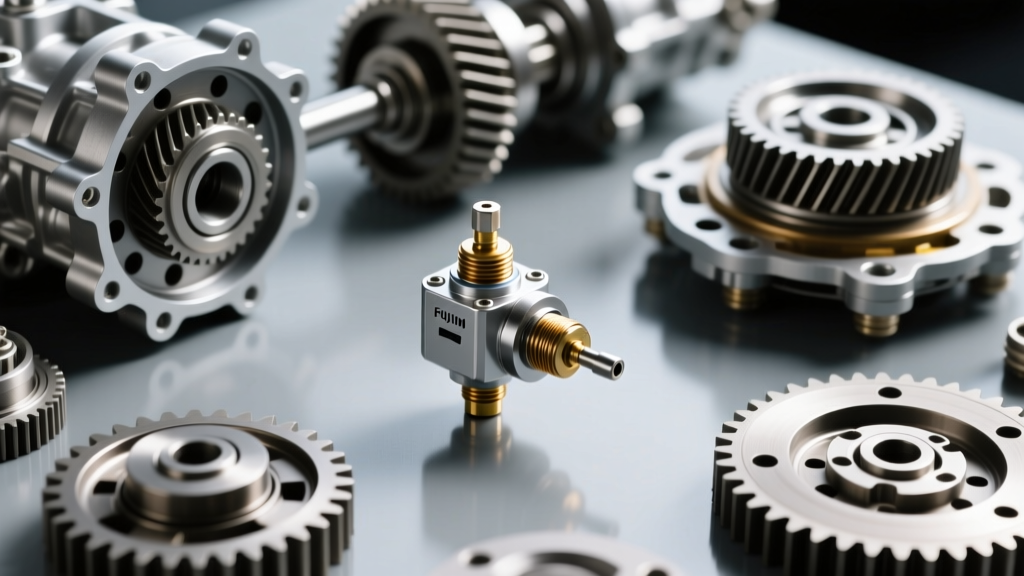
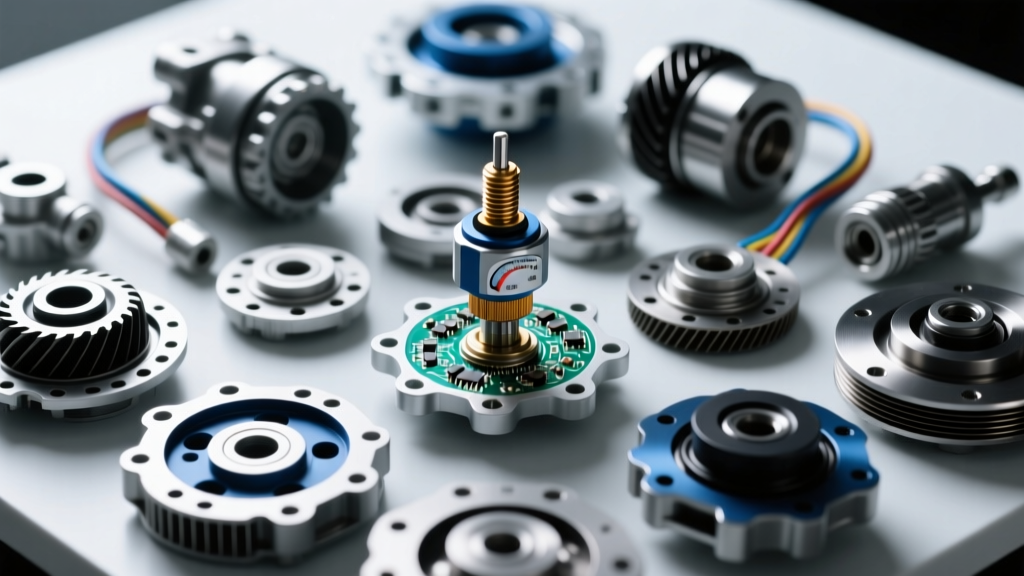
Once you have confirmed the sensor is the culprit, the next critical decision is sourcing the replacement. The market is flooded with options, but not all magnetic pickups and Hall-effect chips are created equal. The internal potting compound—which protects the microchip from aggressive, 220°F+ automatic transmission fluid (ATF)—is where budget aftermarket parts typically fail.
| Category | Brand Examples | Avg. Price Range | Temp Tolerance | Signal Dropout Risk |
|---|---|---|---|---|
| Genuine OEM | ACDelco, Motorcraft, ZF | $65 - $140 | Up to 160°C (320°F) | Extremely Low |
| Tier-1 Aftermarket | Standard Motor Products, Delphi, Bosch | $35 - $60 | Up to 150°C (302°F) | Low |
| Budget Aftermarket | Generic eBay/Amazon brands | $12 - $25 | Up to 110°C (230°F) | High (Premature Failure) |
As noted by technical analysts at Transmission Digest, budget sensors often utilize weaker rare-earth magnets and inferior epoxy resins. When exposed to the thermal cycling of modern synthetic ATFs, the epoxy micro-fractures, allowing fluid to infiltrate the Hall-effect chip, resulting in intermittent P0717 codes that only appear after the vehicle is fully warmed up.
Real-World Case Studies: Application-Specific Nuances
The 'OEM vs. Aftermarket' debate changes drastically depending on the specific transmission architecture. What works for a legacy 4-speed is entirely different from a modern 8-speed.
GM 4L60E: The External Magnetic Pickup
The legendary GM 4L60E utilizes a 2-wire Variable Reluctance (VR) transmission input shaft speed sensor located on the driver's side of the transmission case, just behind the bellhousing. Because it is externally mounted, replacement is straightforward.
- OEM Part: ACDelco 213-3849 (Approx. $45)
- Tier-1 Aftermarket: Standard Motor Products SC368 (Approx. $28)
- Torque Spec: 11 Nm (8 lb-ft)
Expert Troubleshooting Tip: The most common installation error here is failing to lubricate the sensor's O-ring with fresh ATF before insertion. A dry O-ring will bunch up and cut during installation, leading to a slow fluid leak that eventually drips onto the exhaust. Furthermore, ensure the sensor is fully seated before torquing; an improper air gap between the sensor tip and the reluctor ring will yield a weak AC voltage signal, tricking the TCM into registering a P0715 code.
GM 6L80 / 6L90: The Internal Lead Frame Integration
If you are diagnosing a P0715 on a GM 6-speed 6L80 or 6L90, you cannot simply unscrew a standalone sensor. The transmission input shaft speed sensor is integrated directly into the internal wiring harness assembly, commonly known as the 'Lead Frame', which connects to the Transmission Electro-Hydraulic Control Module (TEHCM) located inside the transmission pan.
2026 Diagnostic Warning: If an oscilloscope confirms a dead ISS circuit on a 6L80, do not attempt to splice and solder a universal pigtail inside the transmission pan. The TCM requires pristine signal integrity. You must replace the entire internal wiring harness/lead frame assembly (OEM ACDelco Part # 24230298, approx. $55-$75 via RockAuto). Dropping the pan requires roughly 6-7 quarts of Dexron VI fluid, so factor fluid and filter costs into the repair estimate.
ZF 8HP (8-Speed): The Mechatronic Dilemma
The ZF 8HP transmission, found in millions of vehicles from BMW to Ram trucks, represents the extreme end of the spectrum. The ISS and OSS are permanently embedded within the Mechatronic unit (the combined valve body and TCM). ZF does not sell the speed sensors individually. If the ISS fails, the dealer will quote you for an entirely new Mechatronic unit, which can cost between $1,800 and $2,500, plus programming and adaptation resets.
However, the aftermarket has evolved. Companies like Sonnax now offer Mechatronic repair kits and replacement harnesses that allow skilled transmission builders to cut out the failing internal sensor traces and solder in upgraded, heat-resistant ISS modules. This is strictly a bench-rebuild procedure and requires advanced micro-soldering skills, but it saves the customer over $1,000 compared to a dealer Mechatronic replacement.
Installation Pitfalls and Wiring Harness Degradation
Even the best OEM transmission input shaft speed sensor will fail if the supporting infrastructure is compromised. In 2026, we are seeing a massive spike in wiring harness degradation on vehicles operating in high-heat environments. The connector pigtail leading to the ISS is often subjected to extreme vibration and heat soak from nearby exhaust components.
Before installing your new OEM or Tier-1 aftermarket sensor, perform a 'pull test' on the connector wires. Gently tug on each wire near the crimp terminal. It is incredibly common for the copper strands to break inside the insulation due to years of engine vibration. If the wire stretches or the terminal pulls out, you must replace the pigtail connector (usually available for $15-$20) and use adhesive-lined heat shrink tubing to ensure a moisture-proof seal. Ignoring this step is the number one reason a 'new' sensor immediately triggers a P0717 No Signal code upon test drive.
The Final Verdict
When diagnosing and replacing a transmission input shaft speed sensor, the data is clear: avoid budget, no-name aftermarket sensors. The savings of $20 are entirely negated by the cost of re-diagnosing an intermittent thermal failure or paying for a second fluid drain-and-fill. For external, easily accessible sensors (like the 4L60E), a Tier-1 aftermarket brand like Standard Motor Products or Delphi is a safe, cost-effective choice. However, for internal, integrated systems (like the 6L80 lead frame or ZF Mechatronic components), Genuine OEM or highly specialized aftermarket rebuild kits are the only reliable paths to restoring precise shift timing and TCC slip control.