The Truth Behind the Chevy Traverse Torque Converter Recall Search
When owners of the 2018-2023 Chevrolet Traverse experience severe transmission shudder, slipping, and thermal degradation, they frequently begin their diagnostic journey by searching for a chevy traverse torque converter recall. It is critical to clarify the legal and mechanical reality right away: while the National Highway Traffic Safety Administration (NHTSA) has not issued a formal, fleet-wide safety recall specifically for the torque converter assembly on the Traverse, General Motors has released a series of critical Technical Service Bulletins (TSBs) and extended coverage programs. These bulletins address the root causes of torque converter clutch (TCC) shudder, valve body solenoid failures, and the subsequent overheating that destroys the 9T65 nine-speed automatic transmission.
As an automotive transmission specialist reviewing the landscape in 2026, I see the fallout of these TSBs daily. The TCC shudder is not just a nuisance; it is the primary catalyst for catastrophic torque converter overheating. This buyer's guide and technical breakdown will help you diagnose thermal failure, compare replacement torque converters, and select the right cooling upgrades to keep your Traverse on the road.
Thermal Dynamics: Why the 9T65 and 6T75 Overheat
To understand the failure, you must understand the thermal load placed on the Traverse's torque converter. The 2018+ Traverse utilizes the GM 9T65 nine-speed transverse transmission, while older models (2009-2017) use the 6T75 six-speed. Both are highly susceptible to heat-induced degradation when the TCC fails to lock up completely.
The Mechanics of TCC Slip and Heat Generation
The torque converter's primary job during highway cruising is to mechanically lock the engine to the transmission input shaft via the Torque Converter Clutch (TCC). When the valve body's TCC apply solenoid degrades, or when the friction lining inside the TC glazes over, the computer commands a continuous "slip" to mask the shudder. This slip generates immense friction. Normal transmission operating temperatures hover between 180°F and 200°F (82°C - 93°C). A slipping TCC can spike internal stator temperatures past 250°F (121°C) in a matter of minutes.
At 250°F, the transmission fluid begins to oxidize rapidly. In the 9T65, which requires the highly specific ACDelco Dexron ULV (Ultra Low Viscosity) fluid, thermal breakdown destroys the fluid's shear stability. This leads to a vicious cycle: degraded fluid causes more TCC slip, which generates more heat, ultimately melting the TC's internal seals and warping the cover.
Expert Diagnostic Tip: Use a bidirectional scan tool to command TCC apply at 55 MPH in 9th gear. Monitor the TCC Slip RPM. A healthy 9T65 should show 0 to 5 RPM of slip. If you see oscillating slip (bouncing between 10 and 40 RPM) or a steady slip over 20 RPM, your torque converter is actively overheating and shedding friction material into the sump.
Buyer's Guide: Replacement Torque Converters Compared
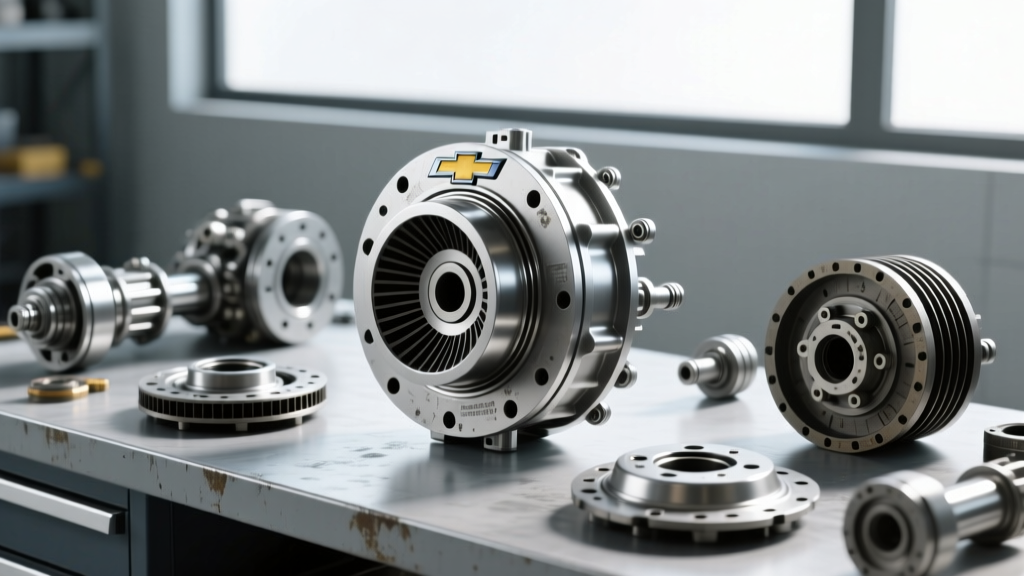
If your Traverse's torque converter has overheated to the point of friction material shedding (evidenced by dark, burnt-smelling fluid or metallic glitter on the drain plug), replacement is mandatory. Below is a 2026 comparison of the top replacement options for the 9T65 platform.
| Brand / Type | Part Number | Est. Price (2026) | Warranty | Best Application |
|---|---|---|---|---|
| OEM General Motors | 24281542 | $580 - $650 | 2-Year / Unlimited Miles | Stock daily drivers, towing, warranty purists |
| Precision International (Reman) | GM9T65-PI | $350 - $420 | 3-Year / 100k Miles | Budget-conscious repairs, high-mileage fleet vehicles |
| Perform Built (Upgraded) | PB-9T65-HD | $650 - $750 | Lifetime Limited | Heavy towing, modified engines, chronic overheating fixes |
Why Choose an Upgraded Aftermarket Unit?
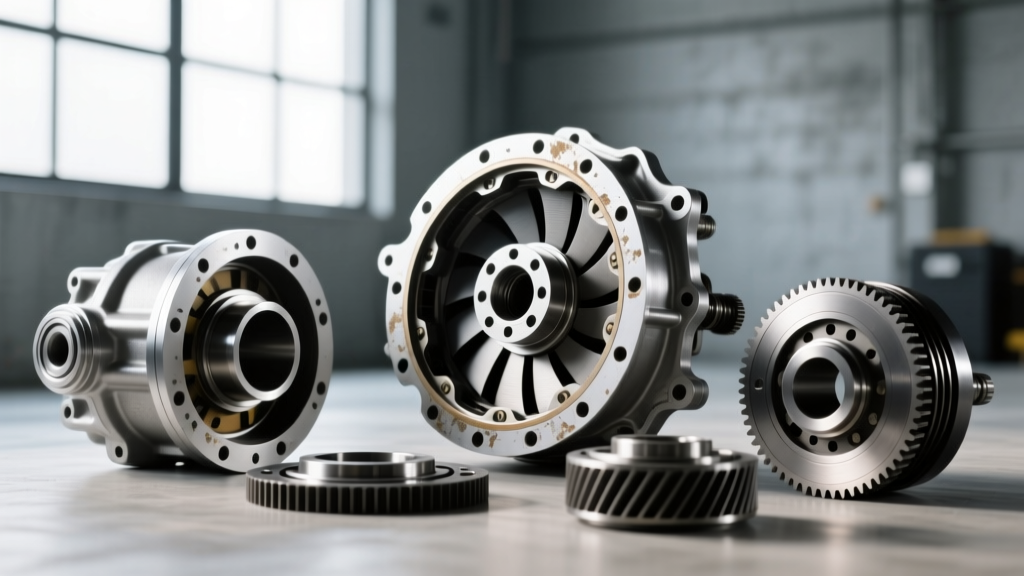
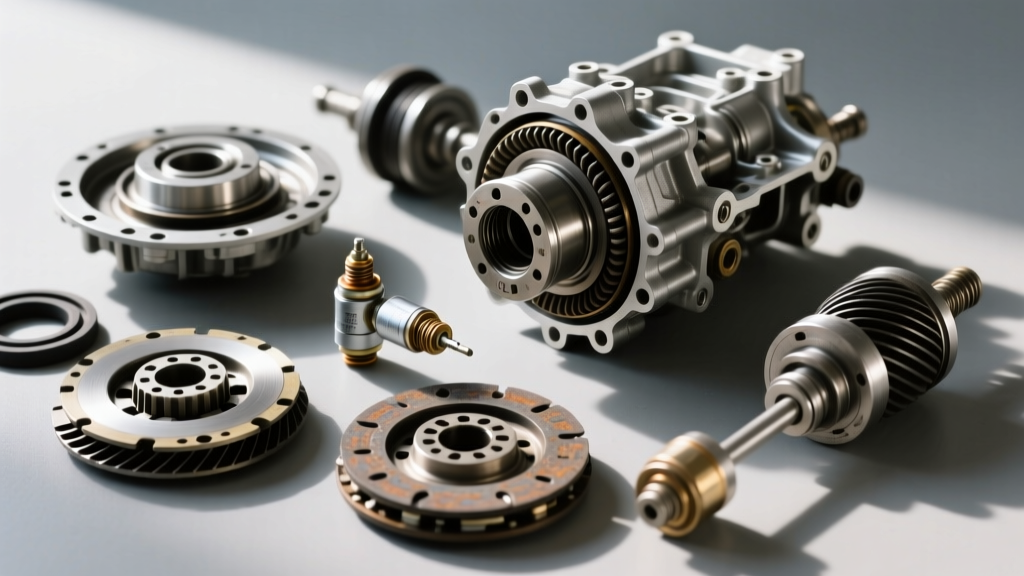
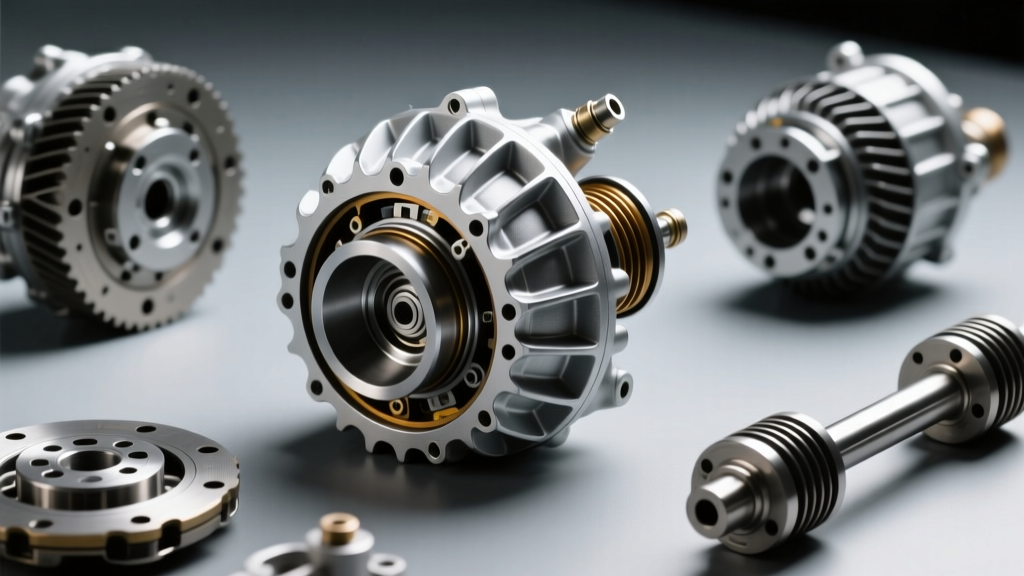
While the OEM GM unit is excellent, aftermarket builders like Perform Built often address the factory's weak points. Overheating in the factory TC is frequently exacerbated by a thin friction lining and weak internal damper springs. Upgraded units feature billet steel covers, multi-stage high-friction clutch linings (capable of withstanding 300°F+ without glazing), and heavy-duty turbine fins that improve hydraulic efficiency and reduce parasitic heat generation.
Solving the Root Cause: Valve Body and Cooling Upgrades
Dropping a brand-new torque converter into a Traverse with a failing valve body is a guaranteed way to destroy the new part within 10,000 miles. You must address the hydraulic control and the cooling circuit.
Valve Body Zip Kits
The 9T65 valve body is notorious for bore wear in the TCC regulator valve. When this aluminum bore wears out, hydraulic pressure bleeds off, preventing the TCC from applying with enough force to lock up. Sonnax offers the 9T65-ZIP Zip Kit, which includes a steel-sleeve regulator valve, heavy-duty springs, and updated end plugs. Installing this kit restores line pressure, eliminates the shudder, and stops the heat-generating slip at its source. Expect to pay around $140 for the kit, plus 4 hours of labor if done in-vehicle (pan drop only).
Auxiliary Transmission Coolers
The Traverse's factory radiator-integrated cooler is barely adequate for stop-and-go traffic, let alone towing. Adding an auxiliary cooler is the best insurance policy against future overheating.
- Hayden Automotive 678 Rapid-Cool: A plate-and-fin design that offers superior heat dissipation compared to tube-and-fin models. Mounts easily behind the front bumper cover. (Approx. $160)
- Tru-Cool LPD4454: A low-pressure drop cooler that ensures you don't restrict fluid flow back to the transmission lube circuit. Highly recommended for the 9T65's sensitive hydraulic system. (Approx. $185)
Fluid Specifications and Fill Capacities (2026 Update)
Cross-contamination of transmission fluid is a leading cause of post-repair overheating. The 9T65 and 6T75 require entirely different fluid chemistries.
9T65 (2018+ Traverse)
- Fluid Type: ACDelco Dexron ULV (Part # 10-9394)
- Dry Fill Capacity: 9.5 Quarts (9.0 Liters)
- Pan Drop & Filter Change: ~5.5 Quarts
- Warning: Never use Dexron VI in a 9T65. The friction modifiers in Dexron VI are incompatible with the ULV clutch materials and will cause immediate TCC slip and overheating.
6T75 (2009-2017 Traverse)
- Fluid Type: ACDelco Dexron VI (Part # 10-9244)
- Dry Fill Capacity: 9.5 Quarts (9.0 Liters)
- Pan Drop & Filter Change: ~6.0 Quarts
Installation Torque Specs and Best Practices
Proper installation is just as critical as the parts you buy. If you are replacing the torque converter on a Traverse, adhere strictly to these GM engineering specifications to avoid catastrophic pump failure or flexplate cracking.
- TC Hub Depth Check: Before mating the transmission to the engine, measure the distance from the torque converter mounting pads to the bellhousing face. It must be at least 0.500" (12.7mm) recessed. If it is flush, the TC is not fully seated into the transmission oil pump gear. Bolting it down in this state will instantly shatter the oil pump upon engine startup.
- Flexplate to TC Bolts: Use new OEM M10x1.5 bolts. Torque specification is 45 Nm (33 lb-ft) plus an additional 45 degrees of rotation. Apply a medium-strength thread locker (blue Loctite) to the threads.
- Subframe and Crossmember: When lowering the subframe to drop the transaxle, replace the stretch bolts. Torque the main subframe bolts to 200 Nm (148 lb-ft).
- Mandatory Cooler Flush: An overheated torque converter sheds microscopic friction material that lodges in the radiator cooler. You must use a heated, pulsating flush machine to clear the cooler lines. If a flush is not possible, replace the radiator or install a standalone cooler bypass to prevent debris from circulating back into your new TC.
Final Verdict: Navigating the Repair
While the elusive chevy traverse torque converter recall remains a search term born of owner frustration rather than an official NHTSA mandate, the mechanical solutions are well-documented and highly effective. If your Traverse is exhibiting shudder and running hot, do not ignore it. Start with a TCC slip diagnostic scan and a fluid analysis. If the TC is compromised, pair an upgraded aftermarket torque converter with a Sonnax valve body Zip Kit and an auxiliary Tru-Cool system. This holistic approach addresses the symptom, the root hydraulic cause, and the thermal management短板, ensuring your Traverse's drivetrain survives well past the 150,000-mile mark.