The Daily Driver Dilemma: Why Bedding Matters
For automotive enthusiasts and daily commuters alike, a clutch replacement is a significant investment. In 2026, with average shop labor rates hovering between $130 and $180 per hour, a standard clutch removal and replacement (R&R) job easily ranges from $1,200 to $2,200 depending on the vehicle. Whether you are driving a Subaru WRX with a 6-speed manual, a Ford Mustang equipped with a Tremec MT-82, or a Volkswagen GTI, the installation is only half the battle. The true test of your new drivetrain's longevity lies in the critical process of breaking in a new clutch.
Daily drivers face the harshest possible operating environments. Unlike weekend track cars that operate at predictable, high temperatures, daily drivers endure stop-and-go traffic, cold morning commutes, steep driveway inclines, and the constant thermal cycling of city driving. Failing to properly bed the friction disc to the flywheel during the first 500 miles will result in glazing, severe chatter, and premature slip, effectively ruining a $400 clutch kit before your first oil change.
The Science of the Transfer Layer
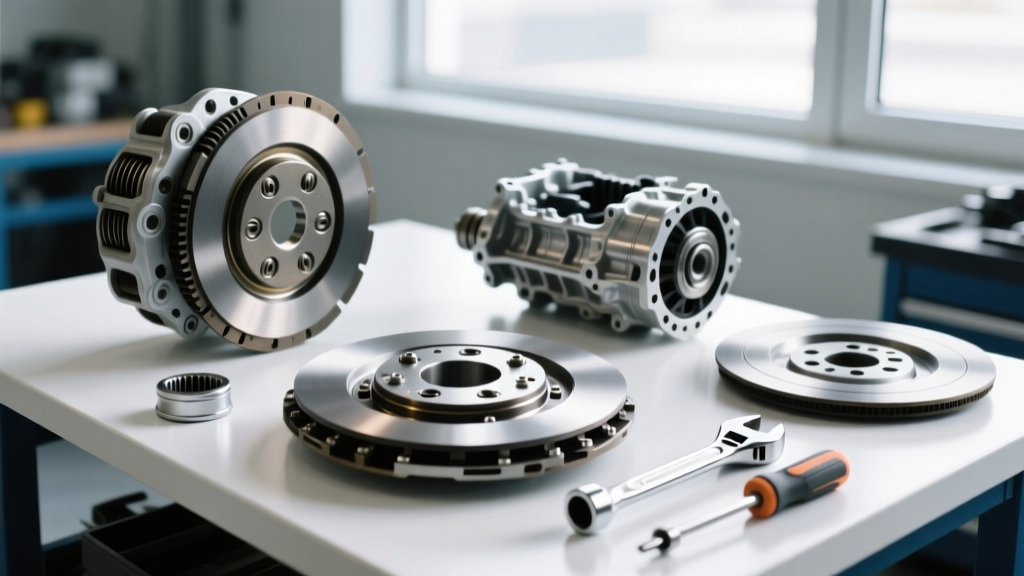
When you unbox a new organic or heavy-duty organic clutch kit from manufacturers like Exedy, Sachs, or ACT (Advanced Clutch Technology), the friction material appears rough and porous. The flywheel, even if freshly machined, possesses microscopic grooves. Breaking in a new clutch is not simply about 'wearing down' the disc; it is about creating a uniform transfer layer.
As the clutch engages and disengages under controlled heat, a microscopic layer of the friction material is transferred and baked onto the surface of the flywheel. This transfer layer is what actually provides the coefficient of friction required to hold torque. If you subject a brand-new clutch to aggressive, high-RPM launches or heavy towing immediately, the extreme localized heat will resin-bond the friction material, causing it to glaze. A glazed clutch will slip under load and shudder violently in first gear.
Step-by-Step Break-In Procedure for Daily Drivers
According to engineering guidelines from South Bend Clutch, the bedding process requires controlled heat cycling without exceeding the thermal limits of the organic resins. Follow this 500-mile protocol:
- Miles 0-50 (The Heat Cycle Phase): Find a flat, empty, and safe industrial road. Accelerate in second gear to roughly 30-40 MPH (approx. 2,500 RPM). Depress the clutch, drop to 1,500 RPM, and smoothly re-engage the clutch while maintaining light throttle. This creates controlled slip and heat. Repeat this 15 to 20 times.
- Miles 50-100 (The Cool Down): Park the vehicle and let the drivetrain cool completely to ambient temperature. This allows the resins in the friction material to cure and harden, locking the transfer layer onto the flywheel.
- Miles 100-500 (Normal but Gentle Driving): Resume your daily commute, but avoid aggressive launches, towing, or wide-open throttle (WOT) pulls. Shift smoothly between 2,000 and 3,000 RPM. Avoid 'riding' the clutch pedal in heavy traffic.
Clutch Material Selection & Break-In Requirements
Not all friction materials are created equal, and the break-in requirements vary wildly. For a daily driver, choosing the wrong material will make your commute miserable, regardless of how perfectly you bed it.
| Material Type | Break-In Period | Daily Driver Suitability | Thermal Limit |
|---|---|---|---|
| Organic / Heavy-Duty Organic | 500 Miles | Excellent (Smooth engagement, quiet) | ~450°F |
| Kevlar / Aramid | 1,000+ Miles | Fair (Requires high heat to engage, prone to chatter in traffic) | ~600°F |
| Ceramic / Sintered Iron | Minimal (Scuff-in only) | Poor (Aggressive on/off switch feel, destroys flywheels) | 800°F+ |
Expert Tip: For 95% of daily drivers, a Heavy-Duty Organic or a Kevlar-faced organic hybrid (like the ACT Street Disc) provides the best balance of torque capacity and daily drivability.
Post-Bedding Preventive Maintenance: The Hydraulic System
Once you have successfully completed breaking in a new clutch, your preventive maintenance focus must shift to the hydraulic actuation system. Modern manual transmissions rely on complex hydraulic circuits to actuate the throwout bearing. Fluid degradation is the silent killer of clutch components.
Fluid Flush Intervals and Specifications
Most OEM clutch hydraulic systems share a reservoir with the brake system or use a dedicated small reservoir utilizing DOT 3 or DOT 4 brake fluid. Because glycol-based brake fluids are hygroscopic (they absorb moisture from the atmosphere), the fluid's boiling point drops over time, and internal corrosion begins to eat away at the rubber seals inside the slave cylinder.
- Fluid Type: Upgrade to a high-quality DOT 4 or DOT 5.1 fluid (e.g., Motul RBF 600 or Castrol SRF). Never use DOT 5 (silicone-based) as it is compressible and will result in a spongy pedal and incomplete clutch disengagement.
- Flush Interval: Bleed and flush the clutch hydraulic system every 24 months or 30,000 miles.
- Bleeding Technique: For vehicles with Concentric Slave Cylinders (CSC) located inside the bell housing—common in GM LS applications and many modern European cars—use a pressure bleeder set to 15-20 PSI. Gravity bleeding is rarely sufficient to push micro-bubbles out of the inverted CSC bleeder valves.
The DMF vs. SMF Debate for Daily Commuters
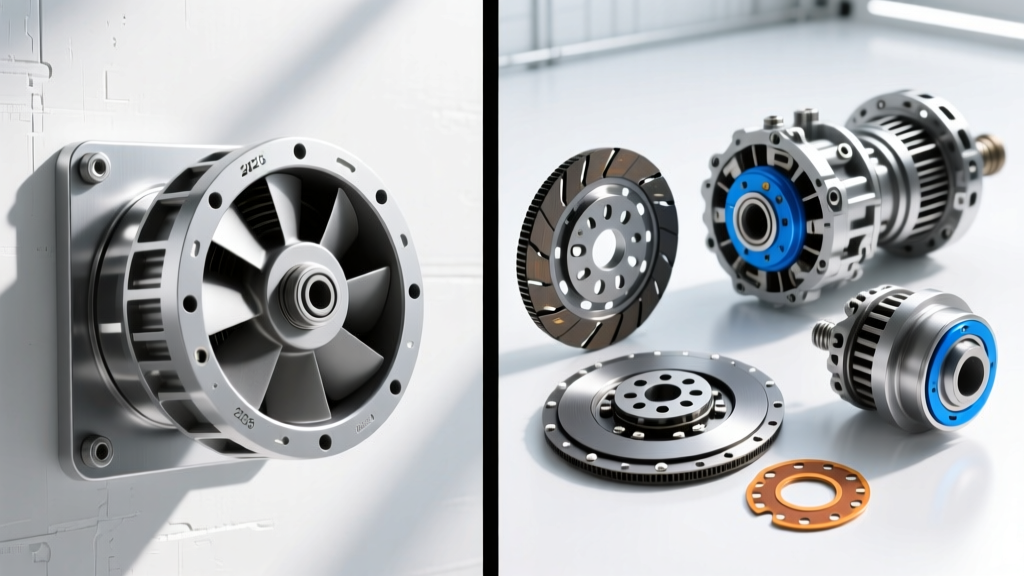
If your daily driver is a diesel truck, a BMW, or a VW/Audi product, it likely came from the factory with a Dual-Mass Flywheel (DMF). The DMF contains internal springs designed to absorb the severe torsional vibrations of the engine, protecting the transmission input shaft and making idle incredibly smooth.
When replacing the clutch, many aftermarket companies offer Single-Mass Flywheel (SMF) conversion kits. While an SMF conversion saves money and eliminates the risk of DMF internal spring failure, it transfers those torsional vibrations directly into the chassis. For a dedicated track car, this is acceptable. For a daily driver commuting in stop-and-go traffic, an SMF conversion often results in an unsettling gearbox rattle at idle and severe cabin vibration. According to installation data from ACT (Advanced Clutch Technology), retaining the OEM DMF or using a high-quality marcel-sprung organic disc is vital for preserving daily driving comfort.
Critical Installation Specs & Torque Values
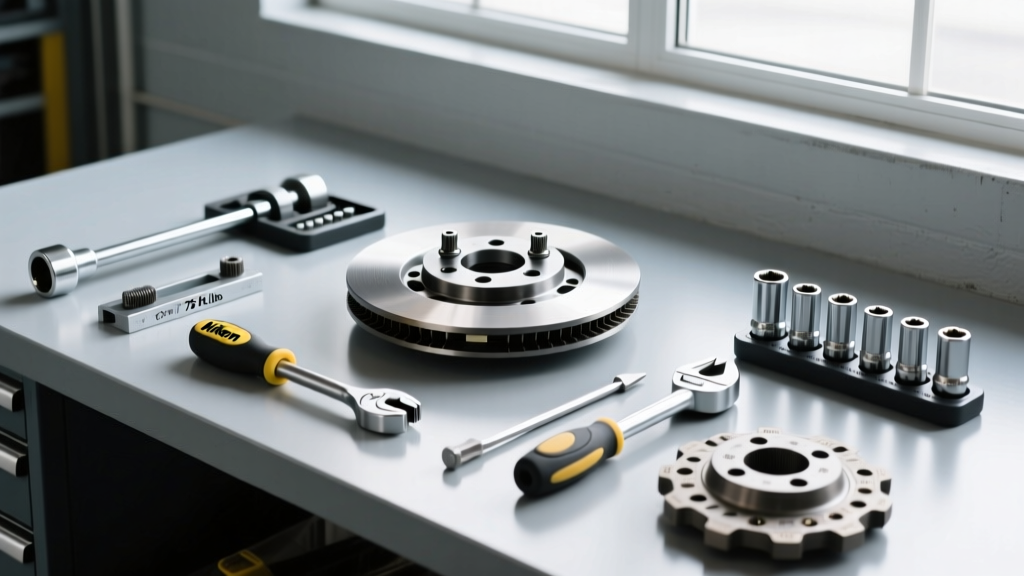
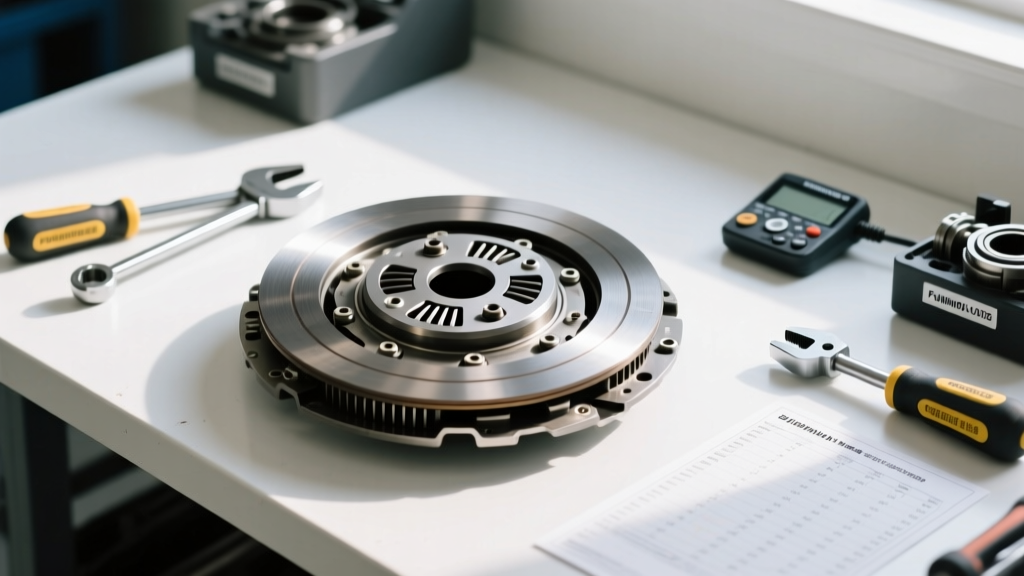
While this guide focuses on the break-in and maintenance phase, it is vital to ensure your installer (or you, if performing a DIY R&R) adhered to exact torque specifications. A warped pressure plate or loose flywheel will cause vibrations that mimic a poorly bedded clutch.
- GM LS-Series (e.g., Tremec T56 / Magnum): Flywheel bolts must be torqued to 74 lb-ft (100 Nm) using thread locker. Pressure plate bolts (typically 8mm or 10mm) should be torqued in a star pattern to 33 lb-ft (45 Nm).
- Subaru EJ25 (5MT / 6MT): Flywheel bolts require a torque-to-yield specification of 69 lb-ft followed by an additional 90-degree turn. Pressure plate bolts are torqued to 17 lb-ft.
- Ford Coyote 5.0 (MT-82): Flywheel bolts are torqued to 59 lb-ft. Ensure the alignment dowels are perfectly seated before tightening the pressure plate to 25 lb-ft to prevent disc runout.
Daily Driving Habits That Destroy Fresh Clutches
Even after a flawless break-in procedure, poor daily driving habits will rapidly degrade your friction material. To maximize the lifespan of your new setup, eliminate these common errors:
The 'Traffic Light Rest': Never hold the vehicle stationary on an incline or at a red light by slipping the clutch. This generates immense, localized heat that will instantly glaze the organic resins. Use the brake pedal or the electronic parking brake to hold the car.
Additionally, avoid 'short-shifting' at high loads. Shifting into a high gear at low RPMs and mashing the throttle (lugging the engine) places extreme stress on the clutch disc's torsional dampening springs, leading to premature spring failure and drivetrain clunk. Always downshift to keep the engine in its optimal torque band when accelerating from low speeds.
Conclusion: Protecting Your Drivetrain Investment
Breaking in a new clutch is not a mere suggestion; it is a mandatory metallurgical process that ensures the friction material and flywheel operate as a single, cohesive unit. By dedicating the first 500 miles to controlled heat cycling, maintaining your hydraulic fluid, and respecting the thermal limits of organic friction materials, you can easily extract 80,000 to 100,000 miles of reliable service from your daily driver. Treat the bedding process with the same respect you give your engine's break-in period, and your manual transmission will reward you with crisp, predictable shifts for years to come.