Mechanical precision is a universal language. Whether you are meticulously adjusting the B-tension and cable pull on a Shimano SLX drivetrain to ensure crisp, skip-free shifting on a rugged trail, or diagnosing a sudden 'Drivetrain Malfunction' warning on your iDrive screen in a BMW F30, the underlying physics of tolerance, friction, and hydraulic pressure remain identical. As automotive enthusiasts and performance tuners, we often draw parallels between high-end bicycle groupsets and complex automotive drivetrains. Both demand exact specifications, premium lubricants, and proactive maintenance to handle high-torque loads. In this 2026 performance and upgrade guide, we will dissect the infamous BMW drivetrain malfunction, trace its roots through the xDrive transfer case and ZF 8HP transmission, and outline the exact diagnostic steps, OEM part numbers, and torque specs required to restore and upgrade your driveline.
The Anatomy of a BMW Drivetrain Malfunction
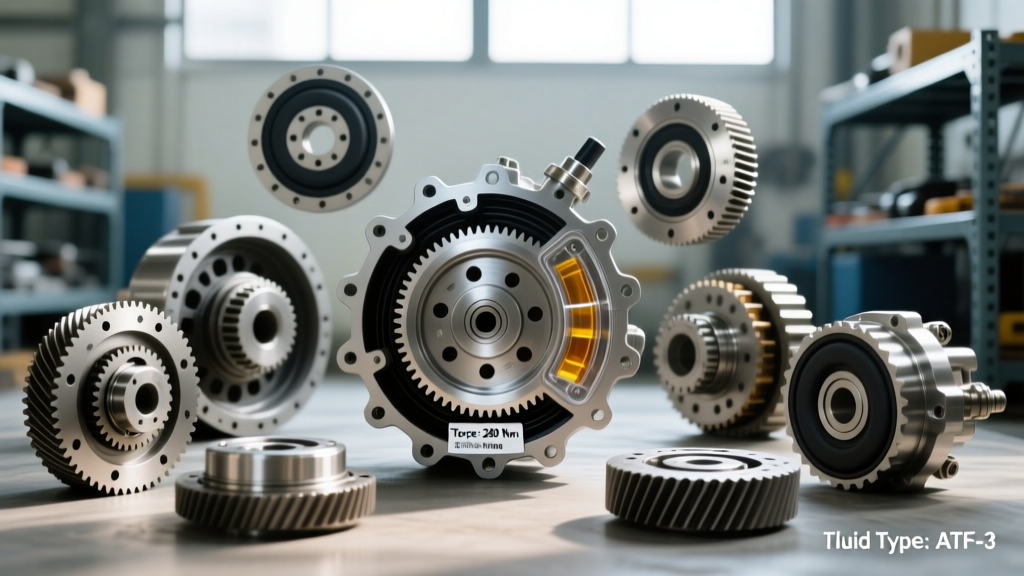
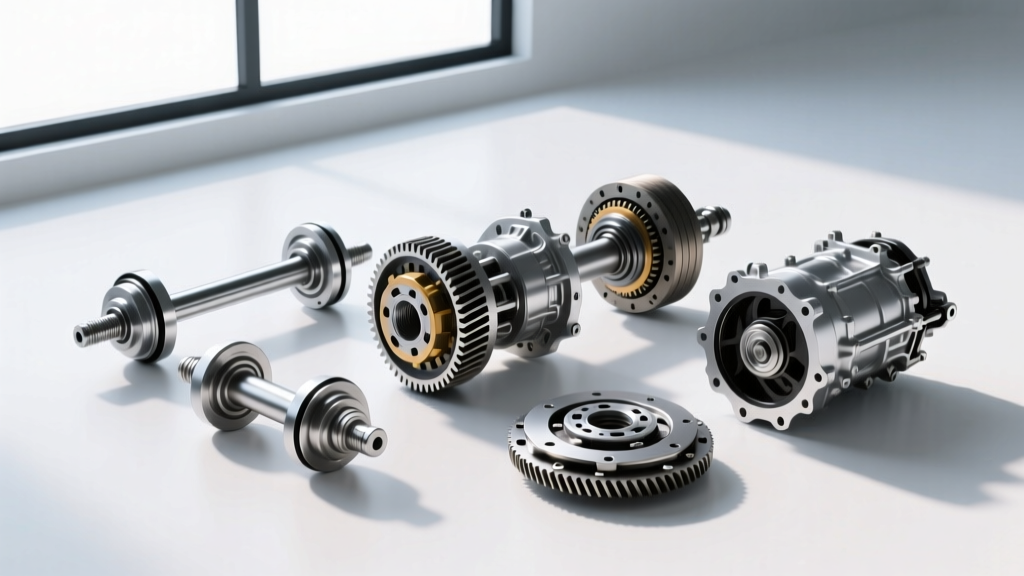
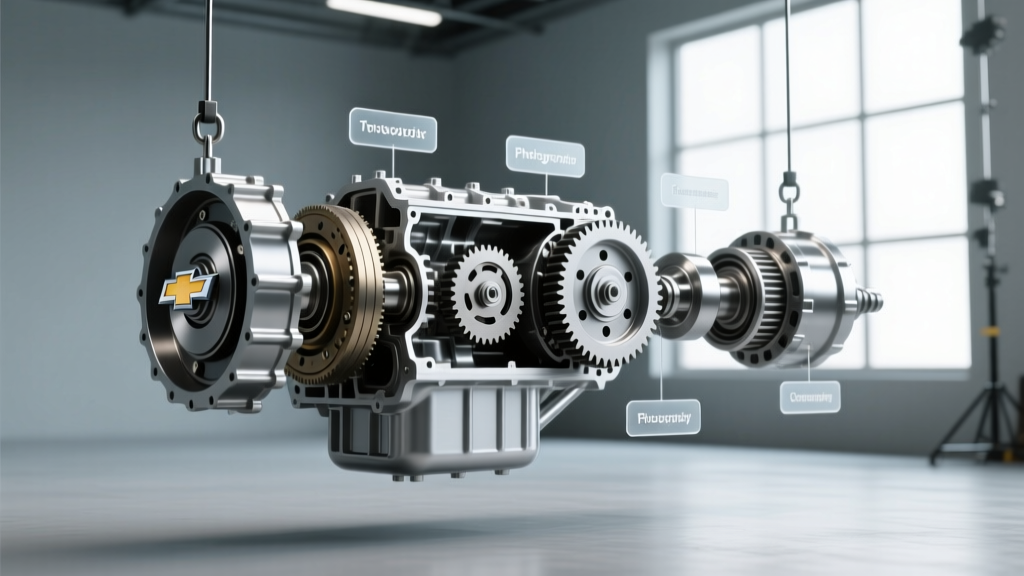
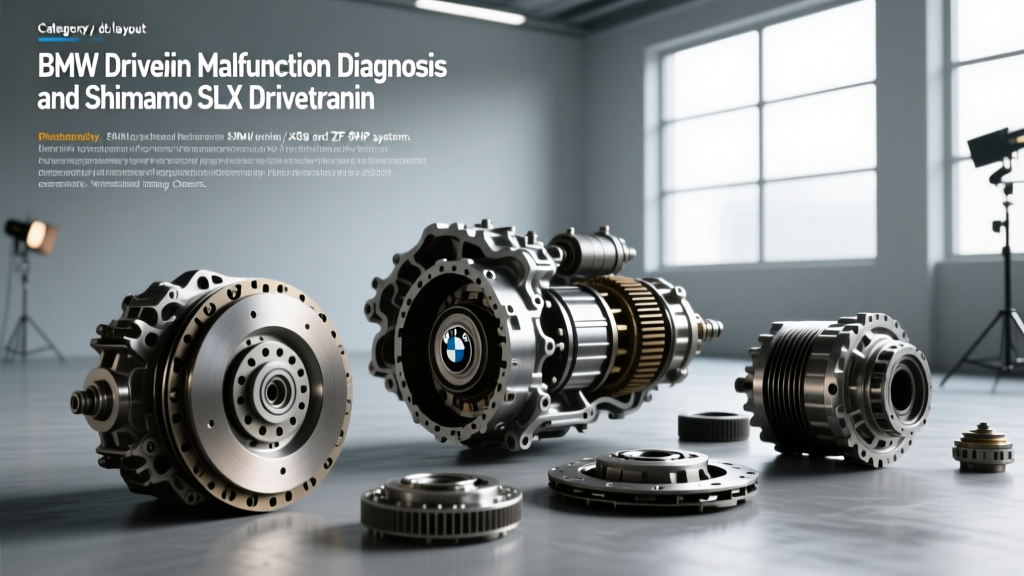
When your BMW throws a 'Drivetrain Malfunction: Drive Moderately' warning, the ECU has detected a fault within the power delivery chain. While it can stem from engine-side issues like failing VANOS solenoids or boost leaks, true drivetrain faults usually originate in the ZF 8HP automatic transmission or the xDrive VTG (Variable Torque Gear) transfer case. The xDrive system relies on a wet multi-plate clutch pack actuated by an electric motor. If the actuator gear strips, or if the clutch pack experiences hydraulic pressure drops due to degraded fluid, the DME (Digital Motor Electronics) limits engine torque to protect the mechanical components. Understanding this layout is critical for any performance upgrade path, as pushing higher wheel horsepower without addressing baseline drivetrain tolerances will accelerate catastrophic failure.
Engineering Precision: ZF 8HP vs. Shimano SLX Drivetrain
To understand the necessity of strict tolerances in automotive tuning, it helps to compare the ZF 8HP transmission to a high-performance Shimano SLX drivetrain. A 12-speed Shimano SLX drivetrain operates with a cable pull tolerance of roughly 0.2mm per click; if the derailleur hanger is bent by even a millimeter, the chain will skip under load. Similarly, the ZF 8HP45 transmission utilizes mechatronic solenoids that modulate clutch pack pressures with a response time of under 200 milliseconds. If the sealing sleeves leak, hydraulic pressure drops, resulting in the infamous 'ZF 8HP clunk' during the 3-to-2 downshift. Both systems require absolute alignment and clean lubrication to translate power efficiently.
| Metric | Shimano SLX Drivetrain (MTB) | BMW xDrive / ZF 8HP (Automotive) |
|---|---|---|
| Primary Wear Component | Cassette Teeth & Shift Ramps | VTG Actuator Gear & Mechatronic Sleeves |
| Critical Tolerance | 0.2mm Cable Pull / 5mm B-Gap | 0.05mm Clutch Clearance / 10Nm Pan Torque |
| Lubricant Specification | Shimano Premium Grease / Chain Lube | ZF LifeguardFluid 8 (Shell M-1375.4) |
| Failure Symptom | Chain Skip & Ghost Shifting | Drivetrain Malfunction & Shift Flares |
Critical Failure Points & OEM Part Numbers
1. VTG Transfer Case Actuator Gear
The factory actuator motor (often Part # 27107597605 for F-chassis vehicles) uses a plastic internal gear that strips over time, especially if the vehicle sees aggressive launches or frequent AWD binding. Performance Upgrade: Replace the plastic gear with a CNC-machined billet aluminum replacement gear available from specialty aftermarket tuners, or install a reinforced aftermarket actuator assembly to handle the increased torque of tuned N55/S55 engines.
2. ZF 8HP Mechatronic Sealing Sleeve
Part # 24347588725. This plastic sleeve houses the 13-pin electrical connector. Over time, heat cycles cause the plastic to warp and the internal O-rings to flatten. Transmission fluid wicks up the pins and directly into the Transmission Control Module (TCM), causing short circuits and solenoid faults. Replacing this sleeve is mandatory during any ZF 8HP performance rebuild or fluid service.
3. Flex Disc (Guibo)
Part # 26117511454 (varies by model). The rubber flex disc absorbs rotational shock between the transmission output shaft and the front driveshaft. Cracks here cause severe driveline lash, which the xDrive system interprets as a traction loss event, triggering the malfunction warning. Upgrade to a polyurethane or reinforced rubber flex disc for track applications.
Preventative xDrive Maintenance: The Tire Circumference Rule
One of the most overlooked causes of VTG actuator failure is mismatched tire wear. BMW xDrive requires all four tires to be within 2mm of tread depth difference. If the rolling circumference varies beyond this threshold, the VTG clutch pack will constantly slip to compensate for the perceived 'wheel spin', generating immense heat and destroying the actuator gear. Always replace tires in sets of four, or have a new tire professionally shaved to match the tread depth of the remaining three.
Step-by-Step VTG Actuator Diagnosis & Repair
For deep-dive troubleshooting, community resources like the Bimmerpost F30 Technical Subforum provide excellent telemetry logs from ISTA+ scans. Follow this workflow for diagnosis:
- Scan the VTG Module: Connect an advanced OBDII scanner (like BMW ISTA+ or Carly) and read the VTG module codes. Look for code 54C6 (VTG: internal fault) or 54C8 (actuator motor).
- Access the Actuator: Raise the vehicle on a lift. Locate the transfer case actuator motor on the rear output shaft housing of the ATC35L or ATC45L transfer case.
- Remove the Motor: Remove the three T30 Torx bolts securing the motor. Caution: Do not rotate the internal shaft while the motor is removed, or the xDrive clutch pack will lose its calibration position.
- Inspect and Upgrade: Inspect the plastic gear. If the teeth are sheared, install your billet aluminum upgrade gear.
- Reinstall and Torque: Reinstall the motor and torque the T30 bolts to exactly 15 Nm.
- Software Calibration: Perform a VTG calibration reset via ISTA+ to relearn the clutch touch-point and clear the adaptation values.
Performance Fluid Upgrades & Torque Specifications
'Lifetime' fluid is a dealership myth designed for out-of-warranty profitability. For performance applications, the ZF 8HP transmission fluid should be changed every 60,000 miles to maintain optimal mechatronic valve body function and clutch pack grip.
The ZF 8HP Drain and Fill Procedure
- Temperature Check: The transmission must be at operating temperature (between 30°C and 50°C). Use your OBDII scanner to monitor the TFT (Transmission Fluid Temperature) sensor.
- Plug Removal: Remove the fill plug first (8mm Hex) to ensure you can refill the system. Then remove the drain plug. Expect to drain roughly 5.5 liters.
- Pan Replacement: Install the new plastic drain pan (Part # 24117597205) which includes the integrated filter. The filter cannot be serviced separately.
- Pan Torque Spec: Torque the ZF 8HP plastic pan bolts (M6x16) to exactly 10 Nm (89 in-lbs) in a spiral pattern. Over-torquing will crack the plastic molding and cause severe leaks.
- Refill and Level: Pump in ZF LifeguardFluid 8 until it drips from the fill hole. Install the fill plug, and torque to 35 Nm.
Conclusion: Respecting the Driveline
Whether you are setting the chainline on a Shimano SLX drivetrain to prevent premature cassette wear, or torquing the mechatronic sleeve on a ZF 8HP to prevent TCM failure, the philosophy of performance upgrades remains the same: respect the engineering tolerances. By addressing the root causes of the BMW drivetrain malfunction—upgrading weak plastic actuator gears, maintaining strict tire circumference parity, and adhering to precise fluid service intervals—you can build an xDrive system capable of handling aggressive track use and high-horsepower tuning without skipping a beat.