The Evolution of AWD: Standard vs. Active Differentials
When most drivers think of differential maintenance, they picture a simple drain-and-fill procedure on a solid rear axle using 75W-90 gear oil. However, the modern automotive landscape has shifted dramatically toward Active Torque Vectoring and electro-hydraulic all-wheel-drive (AWD) systems. In these advanced drivetrains, the traditional mechanical limited-slip differential has been replaced or augmented by multi-plate clutch packs actuated by a differential pressure control valve. This shift has fundamentally altered the preventive maintenance landscape, making an understanding of modern differential fluid cost and service pricing essential for both DIY enthusiasts and shop owners in 2026.
Understanding the Differential Pressure Control Valve
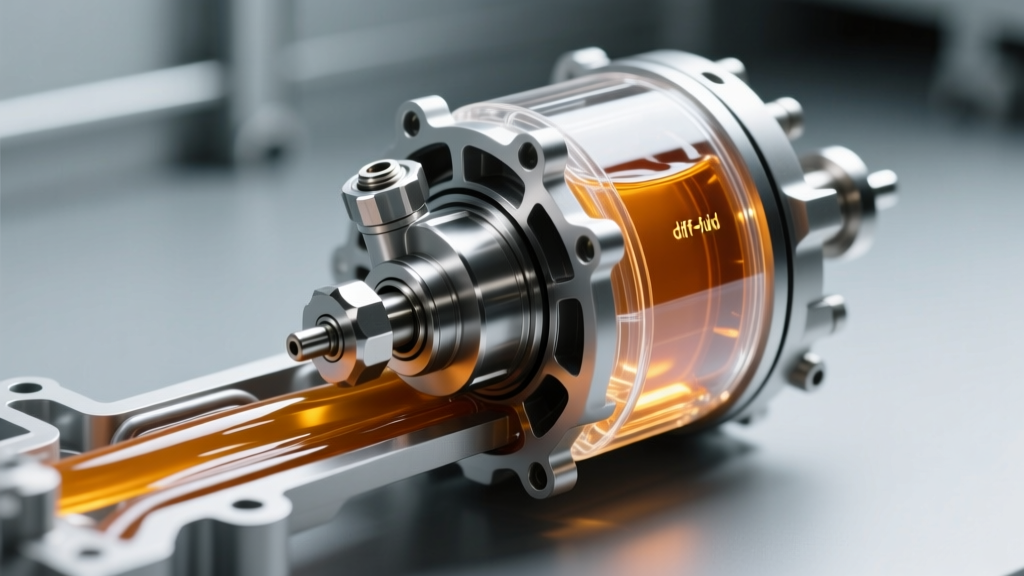
In systems like the Haldex Gen 5 (found in VW/Audi transverse AWD platforms), BMW's xDrive active M Sport differentials, and Ford's Active Torque Vectoring rear axles, torque distribution is managed hydraulically. An electric pump feeds hydraulic fluid to a differential pressure control valve (often a proportional solenoid valve). This valve modulates line pressure to clamp the internal friction discs, transferring torque side-to-side or front-to-rear. If the specialized hydraulic fluid degrades, shears, or becomes contaminated with clutch material, the valve's internal spool can stick, or the solenoid can overheat trying to achieve target pressures. Consequently, servicing these differentials is no longer just about lubricating a ring and pinion; it is about preserving the hydraulic integrity of the pressure control circuit.
2026 Differential Fluid Cost and Service Pricing Breakdown
The cost to service an active differential is significantly higher than a traditional open or mechanical limited-slip differential. This is due to the requirement for specialized synthetic hydraulic fluids, proprietary filter kits, and post-service software calibrations. Below is a comprehensive pricing and specification table based on current 2026 market rates for OEM fluids and labor.
| Vehicle / System | Fluid Type & Capacity | OEM Part / Filter Number | Est. Fluid & Parts Cost | Est. Dealer Labor | Total Service Cost |
|---|---|---|---|---|---|
| Standard Open Diff (e.g., Silverado 1500 Rear) | 75W-90 Synthetic (2.0L) | ACDelco 10-9395 | $35 - $50 | $80 - $120 | $115 - $170 |
| Haldex Gen 5 (VW Golf R / Audi S3) | G 060 175 A2 Hydraulic (0.85L) | 0CQ598549A (Filter/Pump Kit) | $85 - $110 | $150 - $200 | $235 - $310 |
| BMW xDrive Active Rear (G01 X3 M Sport) | DTF 1 Hydraulic + Hypoid Gear Oil | 83222446673 (DTF 1) | $60 - $90 | $180 - $250 | $240 - $340 |
| Ford Active Torque Vectoring (Explorer) | Motorcraft XY-75W140-QL + Additive | XY-75W140-QL | $55 - $75 | $140 - $180 | $195 - $255 |
As illustrated, while a standard differential service rarely exceeds $170, active systems requiring hydraulic fluid and filter replacements routinely push past the $300 mark at a dealership. Independent shops utilizing high-quality aftermarket equivalents sourced from the RockAuto Parts Catalog can often reduce the parts cost by 20-30%, though labor remains intensive due to the subframe or exhaust clearance issues common on modern crossovers.
Preventive Maintenance: Why Fluid Shear Destroys Valves
Many manufacturers label their AWD coupling fluids as 'lifetime.' From a preventive maintenance perspective, this is a dangerous misnomer. The differential pressure control valve operates under extreme thermal and mechanical stress. Every time the clutch pack slips to redirect torque, microscopic friction material sheds into the fluid. Furthermore, the hydraulic fluid itself suffers from viscosity shear.
Expert Diagnostic Tip: If a customer complains of a 'binding' sensation during tight, low-speed parking lot turns, or an intermittent 'AWD Disabled' message on the dash, do not immediately condemn the transfer case or rear differential clutch pack. Connect a bi-directional scan tool and monitor the commanded vs. actual line pressure. A wide discrepancy usually points to a sticking differential pressure control valve caused by contaminated fluid, not a mechanically failed clutch.
Real-World Failure Modes and Edge Cases
- Haldex Pump Cavitation: In Gen 5 systems, the factory strainer becomes clogged with clutch debris. The pump cavitates, failing to build the 40-60 bar of pressure required by the control valve. Replacing the fluid without the 0CQ598549A strainer kit is a wasted effort. For more on Haldex engineering, refer to the Haldex Official technical documentation.
- BMW DTF 1 Cross-Contamination: The BMW active M differential uses two separate fluid chambers. The ring and pinion require Hypoid gear oil, while the clutch actuation requires DTF 1. Mixing these, or using a generic 75W-90 in the hydraulic chamber, will cause the pressure control valve solenoid to fail within 500 miles due to improper dielectric properties and viscosity.
- Ford PTU / Active Diff Thermal Breakdown: Ford's active systems are notoriously sensitive to heat. Using standard gear oil without the precise friction modifier package outlined in Motorcraft Chemicals specifications will cause the clutch packs to chatter, sending shockwaves through the hydraulic circuit that eventually crack the pressure control valve housing.
Service Procedures: Torque Specs and Software Adaptations
Servicing an active differential requires precision. Over-torquing aluminum drain plugs or failing to perform software adaptations can result in catastrophic leaks or immediate drivability faults.
Critical Torque Specifications
- BMW G-Chassis Active Diff Drain/Fill Plugs: M18x1.5 threads. Torque to exactly 60 Nm. Always replace the aluminum crush washers (Part # 07119963200) to prevent weeping.
- Haldex Gen 5 Drain Plug: M10x1. Torque to 15 Nm. The housing is thin cast aluminum; over-torquing will strip the threads, requiring a $1,200 housing replacement.
- Ford Explorer Rear Diff Cover: If equipped with a removable cover rather than plug drains, use a 1/4-inch bead of Motorcraft TA-32 silicone. Torque the 10mm bolts to 28 Nm in a star pattern.
The Missing Step: Software Calibration
The most overlooked aspect of modern differential fluid cost and service pricing is the software adaptation. When you replace the fluid and filter in an active system, the hydraulic baseline changes. The differential pressure control valve must relearn its clutch 'kiss point' (the exact duty cycle where the clutch begins to engage).
For VW/Audi applications, this requires VCDS or OBDeleven to run the 'AWD Clutch Adaptation' basic settings. For Ford applications, FORScan must be used to reset the Transfer Case / Active Diff clutch volume counters. Failing to perform this reset forces the module to use old adaptation tables, which will over-pressurize the new fluid, leading to harsh engagements and premature clutch wear. Shops that do not invest in OEM-level bidirectional scan tools cannot properly service these systems, a factor that must be considered when evaluating service quotes.
Conclusion
The transition from passive gearsets to active, hydraulically controlled drivetrains has elevated the importance of targeted preventive maintenance. Understanding the role of the differential pressure control valve clarifies why cutting corners on fluid selection or skipping filter replacements leads to thousands of dollars in drivetrain repairs. By adhering to severe-duty service intervals—typically every 30,000 to 40,000 miles for active AWD systems—and accounting for the true cost of OEM hydraulic fluids and software calibrations, owners can ensure their torque-vectoring systems perform flawlessly for the life of the vehicle.