The True AC Clutch Replacement Cost: Shop vs. DIY in 2026
When your vehicle's air conditioning suddenly blows warm, the culprit is often a failed compressor clutch coil, a seized pulley bearing, or a worn friction plate. Before you authorize a massive repair bill, you need to understand the real ac clutch replacement cost and weigh it against the investment required for the clutch replacement tools needed to perform the job in your own garage.
In 2026, the average professional AC clutch replacement cost ranges from $450 to $850. This figure is heavily skewed by modern shop labor rates, which now average $150 to $195 per hour. Even though replacing an AC clutch often does not require evacuating and recharging the refrigerant system (if done carefully without opening the sealed compressor housing), book times typically allocate 1.5 to 2.5 hours for labor due to tight engine bay clearances and auxiliary component removal.
Conversely, the DIY route requires purchasing the compressor clutch itself ($80 to $220 depending on the OEM) and a specialized tool kit. By investing in the correct clutch replacement tools needed for HVAC systems, you can complete the job for under $300 total, saving hundreds in labor while ensuring the air gap is set to exact factory tolerances.
Drivetrain vs. HVAC: Clarifying the Clutch Replacement Tools Needed
It is vital to distinguish between automotive HVAC clutches and manual transmission drivetrain clutches. If you are searching for clutch replacement tools needed for a manual transmission (such as a flywheel locking wrench like the Lisle 16800, or an alignment arbor like the OEMTOOLS 27063), those tools are entirely useless for an AC compressor.
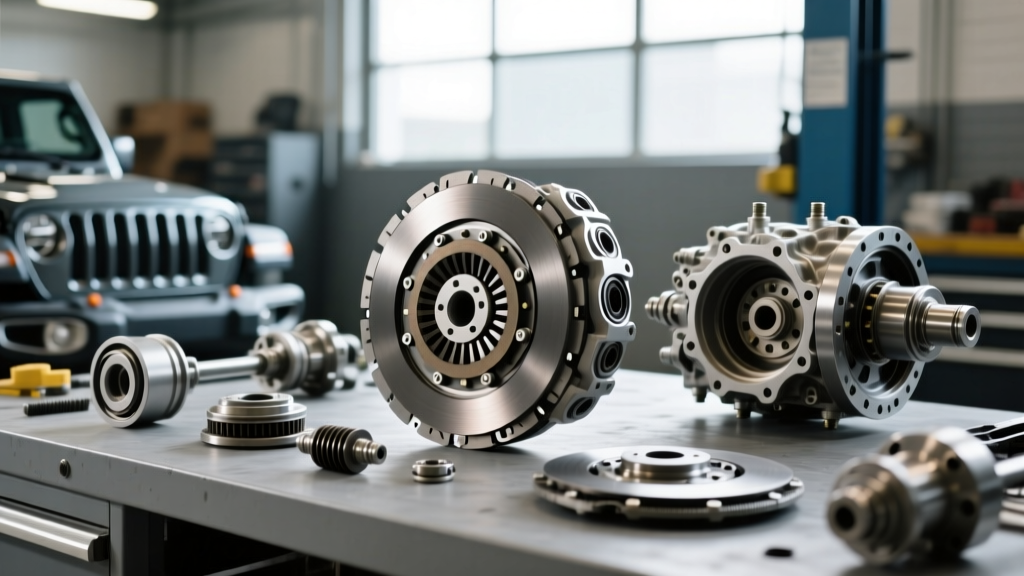
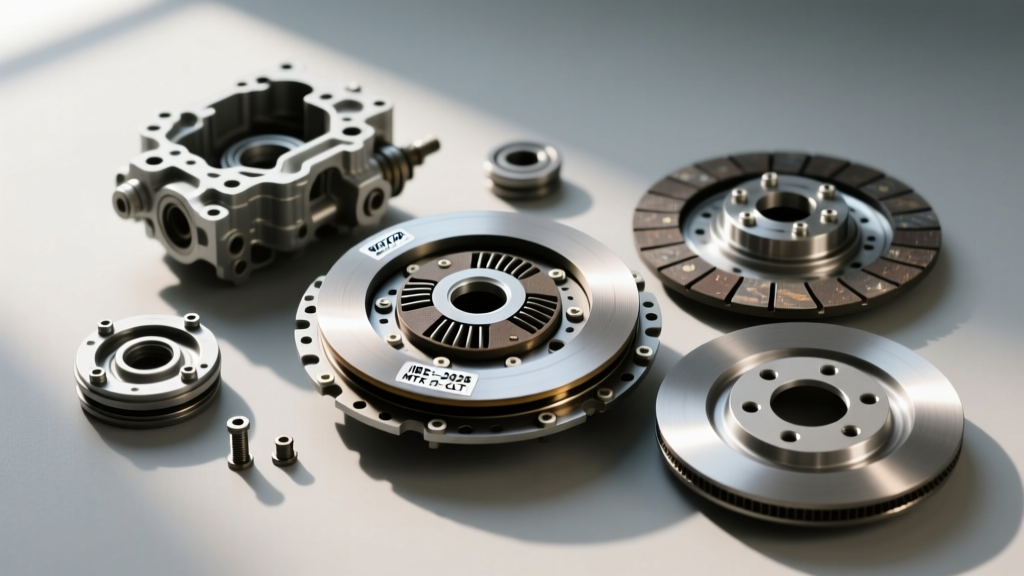
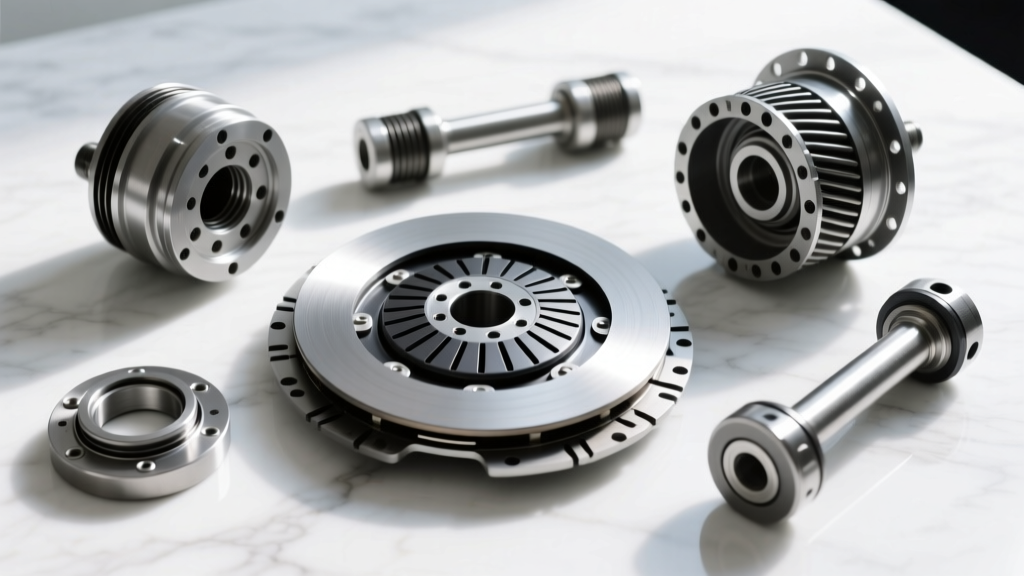
Automotive AC compressors utilize an electromagnetic clutch assembly consisting of three main components: the electromagnetic coil, the pulley/bearing assembly, and the front friction plate (hub). Removing and installing these components requires specialized pullers, installers, and holding tools designed to apply force directly to the hub without damaging the delicate swashplate or internal piston seals of the compressor.
Essential AC Clutch Replacement Tools: A Buyer's Guide
To successfully replace an AC clutch without destroying the compressor shaft or stripping the threads, you need a specific arsenal of tools. Here is the definitive buyer's guide for the clutch replacement tools needed for this precise HVAC service.
1. Clutch Holding Tools
Before you can remove the center retaining bolt, you must prevent the clutch hub from spinning. Using channel locks or pry bars will gouge the friction surface and ruin the new clutch plate.
- Lisle 45800 Clutch Holding Tool: This is the industry standard. It features adjustable pins that mate with the holes or slots on the face of the clutch hub. It provides the necessary leverage to break the center bolt free without transferring torsional stress to the compressor's internal shaft.
- OTC 4524 Clutch Holding Tool: Another premium option, designed with a slim profile to fit into tight engine bays where the compressor is buried near the firewall or subframe.
2. Puller and Installer Kits
The friction plate is pressed onto the compressor shaft with immense force. Prying it off with a screwdriver will crack the hub or bend the shaft. You need a dedicated threaded puller. Furthermore, installing the new hub requires a threaded installer to press it evenly onto the splines.
The OTC Tools 4521 Heavy Duty A/C Clutch Puller/Installer kit is widely considered the best investment for DIYers and professionals alike. It includes multiple adapter threads to fit the vast majority of import and domestic compressors, including Denso, Sanden, Panasonic, and GM HT6/V5 variable displacement models.
3. Internal Snap Ring Pliers
Securing the pulley and the electromagnetic coil to the compressor housing are heavy-duty internal snap rings. Standard hardware store pliers will slip and score the aluminum housing. You need heavy-duty, angled internal snap ring pliers. The Lisle Corporation 45500 or Knipex 85 51 200 A provide the necessary jaw strength and tip precision to remove these stubborn rings without causing them to snap out and cause injury.
4. Feeler Gauges and Shims
The air gap between the friction plate and the pulley is the single most critical measurement in an AC clutch replacement. If the gap is too wide, the electromagnetic coil cannot pull the plate in, resulting in slipping and burning. If the gap is too tight, the clutch will drag, generating excessive heat and destroying the coil. A precision metric and SAE feeler gauge set is mandatory.
Tool Kit Comparison Chart: Which Set Should You Buy?
| Tool Kit Brand & Model | Estimated Price (2026) | Thread Adapters Included | Best Application |
|---|---|---|---|
| OTC 4521 Heavy Duty Kit | $95 - $115 | 10+ (Metric & SAE) | Professional shops, diverse fleet work, Denso/Sanden/GM |
| Lisle 45800 / 45650 Combo | $70 - $85 | 6 - 8 (Mostly Domestic) | DIYers working on older Ford/GM/Chrysler vehicles |
| MasterCool 90998 Universal | $55 - $75 | 12+ (Broad Import coverage) | Import specialists (Toyota, Honda, Subaru Denso systems) |
| Harbor Freight (Pittsburgh) | $35 - $45 | 5 (Limited) | Strictly one-time use on standard domestic threads |
Precision Specifications: Air Gaps, Shims, and Torque
Owning the clutch replacement tools needed is only half the battle; knowing how to use them to factory specifications separates a successful repair from a comeback. According to guidelines supported by the Mobile Air Climate Systems Association (MACS), proper clearance and torque are non-negotiable.
The Air Gap Measurement
Once the new clutch hub is installed, you must measure the air gap using your feeler gauges.
- Denso 10S15L / 10PA15C (Common Toyota/Honda): Target air gap is typically 0.3mm to 0.6mm (0.012" to 0.024").
- Sanden SD7 / PXE14: Target air gap is generally 0.4mm to 0.7mm (0.016" to 0.028").
- GM HT6 / V5 Variable: Target air gap is usually 0.5mm to 0.8mm (0.020" to 0.031").
Pro-Tip: Always measure the gap at three different points around the circumference of the clutch. If the measurements vary by more than 0.1mm, the hub was not pressed on squarely, or the pulley bearing is worn and allowing the pulley to wobble.
Shim Selection
If the air gap is incorrect, you must adjust the shims located on the compressor shaft beneath the clutch hub. Removing a shim decreases the gap; adding a shim increases it. Never force the gap by over-tightening the center bolt, as this will strip the shaft threads or warp the friction plate.
Center Bolt Torque Specifications
The center retaining bolt secures the hub to the compressor shaft. Over-torquing is a common DIY mistake that leads to catastrophic failure.
- M8 x 1.25 Bolts (Common on older GM and smaller imports): Torque to 11 to 15 Nm (8 to 11 lb-ft).
- M10 x 1.25 Bolts (Common on Denso and Sanden): Torque to 25 to 30 Nm (18 to 22 lb-ft).
Always apply a single drop of Blue Loctite (Threadlocker 243) to the center bolt threads to prevent it from backing out due to the high-frequency vibrations of the engine accessory drive system. If this bolt backs out while driving, the clutch hub will walk off the shaft, instantly destroying the friction plate and potentially snapping the compressor's internal swashplate mechanism.
Final Verdict: Is the DIY Tool Investment Worth It?
When you analyze the 2026 ac clutch replacement cost at a dealership or independent shop, the math heavily favors the DIY approach for those willing to learn. A high-quality puller/installer kit like the OTC 4521 costs around $100. Combined with a $30 holding tool and a $15 set of snap ring pliers, your total tool investment is roughly $145.
Because these tools are universal and reusable, they pay for themselves on the very first repair when compared to the $300+ labor charge a shop will bill you. Furthermore, doing it yourself guarantees that the air gap is meticulously checked with feeler gauges—a step that rushed flat-rate technicians occasionally skip, leading to premature clutch burnout. By acquiring the correct clutch replacement tools needed for the job, you gain total control over your vehicle's HVAC reliability and keep your hard-earned cash out of the service writer's drawer.