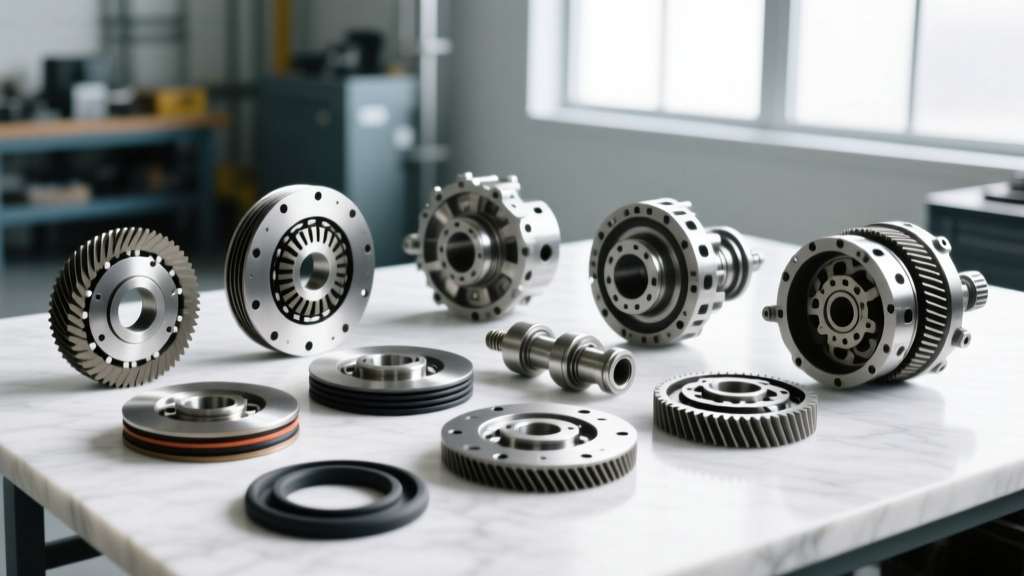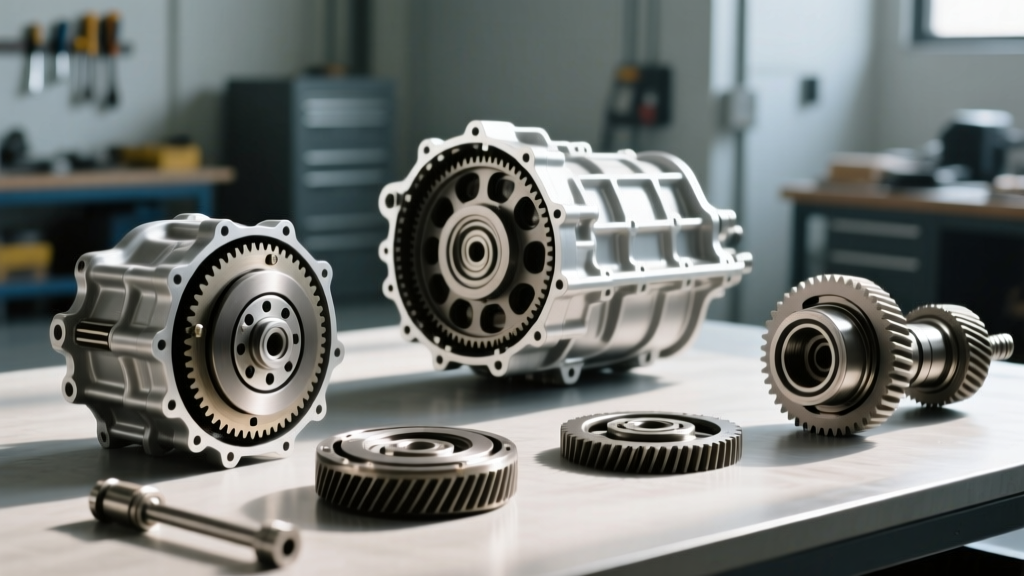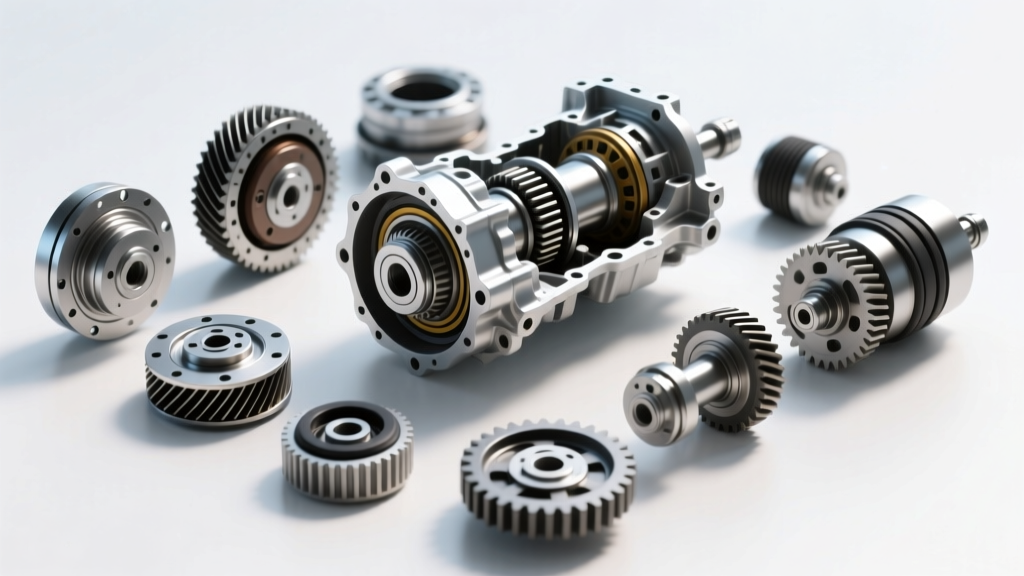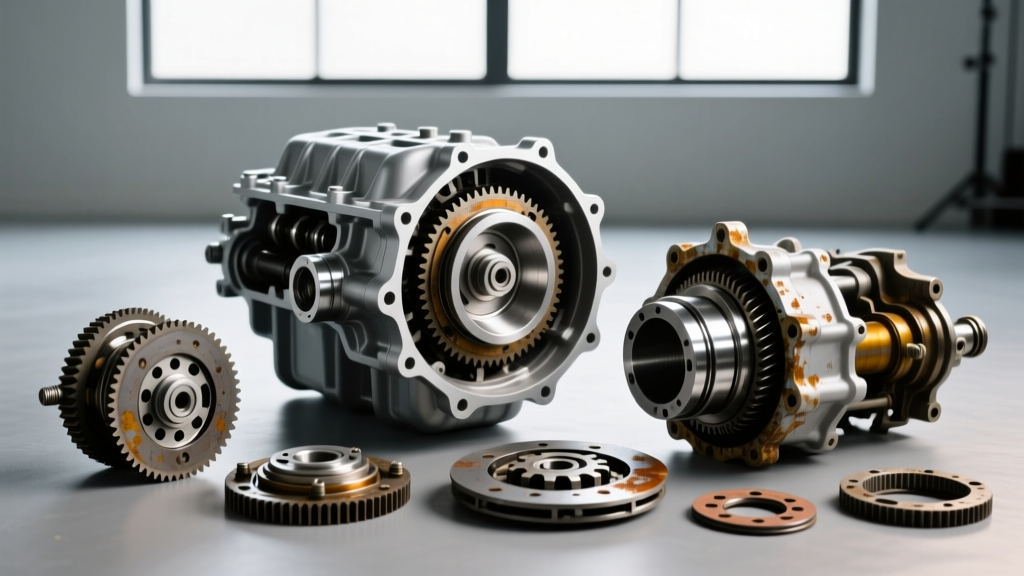
The High-Horsepower Dilemma: TH350 vs. 4L80E
When planning a high-horsepower Pro-Touring, drag, or heavy-duty towing build, the transmission choice dictates the reliability of the entire drivetrain. For decades, the GM Turbo Hydramatic 350 (TH350) was the undisputed king of the junkyard swap. It is lightweight, simple, and historically cheap to fix. However, as modern LS and LT engine swaps routinely push past the 600-horsepower mark, the limits of the TH350 become glaringly obvious. This has led many builders to consider the 4L80E as a superior alternative. The 4L80E offers an overdrive gear, a massively robust geartrain derived from the TH400, and electronic shift control. Yet, the decision often comes down to the budget, specifically when comparing a built 4L80E against the escalating TH350 transmission rebuild cost required to handle modern power levels.
In this 2026 performance upgrade guide, we break down the exact financial and mechanical realities of upgrading to a 4L80E. We will explore the hidden costs of building a TH350 for high horsepower, detail the mandatory performance upgrades for a 4L80E rebuild, and provide the exact torque specs and clearances needed for a bulletproof assembly.
Cost Analysis: TH350 Transmission Rebuild Cost vs. 4L80E
Many enthusiasts mistakenly believe that the TH350 is always the budget-friendly option. While a stock replacement TH350 rebuild might only cost between $1,200 and $1,500, those units will shatter under aggressive 600+ HP launches. To make a TH350 survive high-horsepower abuse, you must replace the case, upgrade the direct clutch drum, install a 36-element sprag, and use Kevlar bands. When you factor in these necessary billet upgrades to prevent catastrophic direct drum failure, the total TH350 transmission rebuild cost can easily eclipse that of a built 4L80E, while still lacking an overdrive gear.
| Feature / Metric | Stage 2 TH350 Build | Performance 4L80E Build |
|---|---|---|
| Average Parts & Labor Cost | $2,800 - $3,600 | $2,900 - $4,200 |
| Safe HP Limit (Rear Wheel) | 650 - 750 HP | 850 - 1,200 HP |
| Overdrive Gear | No (1:1 Final) | Yes (0.75:1 Final) |
| Required Electronics | None (Hydraulic) | Standalone TCU ($400-$900) |
| Weight | ~115 lbs (dry) | ~235 lbs (dry) |
| Primary Failure Point at High HP | Direct Drum / Sprag | Input Shaft / Center Lube |
As the table illustrates, the price gap between a fully race-prepped TH350 and a performance 4L80E is negligible. The 4L80E provides vastly superior highway cruising RPMs due to overdrive and handles significantly more torque natively. For a comprehensive look at 4L80E heavy-duty components, builders frequently reference Sonnax 4L80E Performance Components to address known factory weaknesses.
4L80E Performance Rebuild: Critical Weak Points & Upgrades
The 4L80E is essentially a TH400 with an overdrive unit and electronic controls bolted to the rear. While the planetary gearsets and case are incredibly stout, GM engineered the transmission for heavy-duty truck use, not for the instantaneous shock-load of a transbrake launch or high-RPM drag radial hit. A proper performance rebuild must address three specific failure points.
1. Input Shaft and Forward Hub
The factory 4L80E input shaft is prone to snapping at the splines when subjected to aggressive torque converter multiplication and shock loading. For any build exceeding 600 lb-ft of torque, upgrading to a 300M billet steel input shaft is mandatory. Furthermore, the factory forward clutch hub is cast and can crack under high line pressure. Replacing it with a billet steel forward hub ensures that the forward clutch pack remains perfectly aligned, preventing premature wear and pressure bleed-offs.
2. Center Lube Tube Starvation
One of the most notorious 4L80E failure modes is rear planetary burn-up. The transmission relies on a hollow center lube tube to route pressurized fluid to the rear planetary gearset. Under high RPM and heavy load, the factory aluminum tube can collapse, or the O-rings can blow out, instantly starving the rear planetary of lubrication. Upgrading to a reinforced steel center lube tube and using high-temperature Viton O-rings is a non-negotiable step in a performance rebuild.
3. Overrun Clutch Assembly
The overrun clutch is only applied in manual low (1st gear). In heavy vehicles or high-HP applications, the overrun clutch can overheat and weld itself together if the apply pressure is too high or if the release orifices are inadequate. Utilizing a TransGo shift kit or custom valve body modifications to limit overrun clutch apply pressure and improve release exhaust is critical. You can find detailed calibration strategies via TransGo Shift Kits & Valve Body Calibrations.
Assembly Specs: Clearances and Torque Sequence
Precision is what separates a transmission that survives one pass from one that lasts for years. When assembling a performance 4L80E, adhere strictly to the following clearance and torque specifications. Always use a calibrated inch-pound and foot-pound torque wrench.
- Forward Clutch Pack Clearance: 0.040' to 0.060'. Use selective thickness backing plates and snap rings to achieve this. Too tight will cause dragging and burn-up; too loose will result in delayed forward engagement and flared shifts.
- Direct Clutch Pack Clearance: 0.030' to 0.050'. The direct clutch handles the 2-3 shift, which is the hardest on the clutch packs in a performance application.
- Intermediate Band Adjustment: The 4L80E does not have an external band adjustment. Band apply is dictated by the servo pin length and piston depth. Ensure the servo pin is correctly matched to your specific drum and band setup.
- Unit Endplay: 0.010' to 0.030'. Measured using a dial indicator on the output shaft. Selective thrust washers are available to dial in the exact endplay.
- Pump to Case Bolts: 12 ft-lbs (144 in-lbs). Over-torquing will warp the pump stator and cause immediate converter clutch failure.
- Bellhousing to Engine Block: 35 ft-lbs. Always use an alignment dowel check tool to ensure the transmission is perfectly concentric to the crankshaft; misalignment will destroy the front pump bushing in under 100 miles.
- Extension Housing to Case: 22 ft-lbs.
- Torque Converter to Flexplate: 25 ft-lbs. Ensure the converter is fully seated into the front pump (you should hear three distinct 'clunks' as it passes the turbine, stator, and pump drive hubs) before tightening.
Valve Body Modifications and TCU Calibration
Unlike the purely hydraulic TH350, the 4L80E relies on a Transmission Control Unit (TCU) to manage shift points, torque converter clutch (TCC) lockup, and crucially, line pressure. In a performance application, you must manipulate the Electronic Pressure Control (EPC) solenoid to increase base line pressure.
Factory line pressure maxes out around 190-210 PSI. For high-horsepower builds, installing a heavy-duty boost valve and modifying the EPC solenoid circuit allows the transmission to achieve 230-250 PSI in third and fourth gears. This clamps the direct and forward clutches tightly, eliminating slip. Modern standalone controllers like the Holley Terminator X TCU or PCS Simple Shift allow you to map line pressure directly against engine torque output, ensuring maximum clamping force exactly when the engine hits peak boost.
Cooling and Lubrication Demands
The 4L80E holds approximately 13.5 quarts of fluid when paired with a standard aftermarket cooler and lines. Because the transmission utilizes a high-capacity pump to feed both the lubrication circuits and the heavy-duty clutch packs, it generates significant internal heat. For any build exceeding 600 HP, a dedicated transmission cooler with a minimum of 24,000 GVW rating is required, alongside an in-line magnetic filter to catch metallic debris from the planetary gearsets during the initial break-in period.
For fluid, abandon outdated Dexron III formulations. Modern synthetic fluids like AMSOIL Signature Series Multi-Vehicle ATF or Red Line D4 provide vastly superior shear stability and film strength under the extreme heat generated by a high-stall torque converter. Always verify your fluid level at operating temperature (180°F - 200°F) with the engine idling in park, ensuring the fluid sits precisely in the cross-hatched zone of the dipstick.
Final Verdict: Making the Swap
While the nostalgia and simplicity of the TH350 are appealing, the mathematics of modern performance building heavily favor the 4L80E. When you compare the final tally of a race-prepped TH350 against a 4L80E, the 4L80E delivers overdrive, vastly superior torque capacity, and modern electronic tuning for nearly the same investment. By addressing the input shaft, center lube, and valve body calibration, your 4L80E will handle brutal horsepower figures while keeping your engine RPMs civilized on the highway. For those sourcing complete built units or high-stall components, TCI Automotive 4L80E Assemblies remain a benchmark in the aftermarket industry.