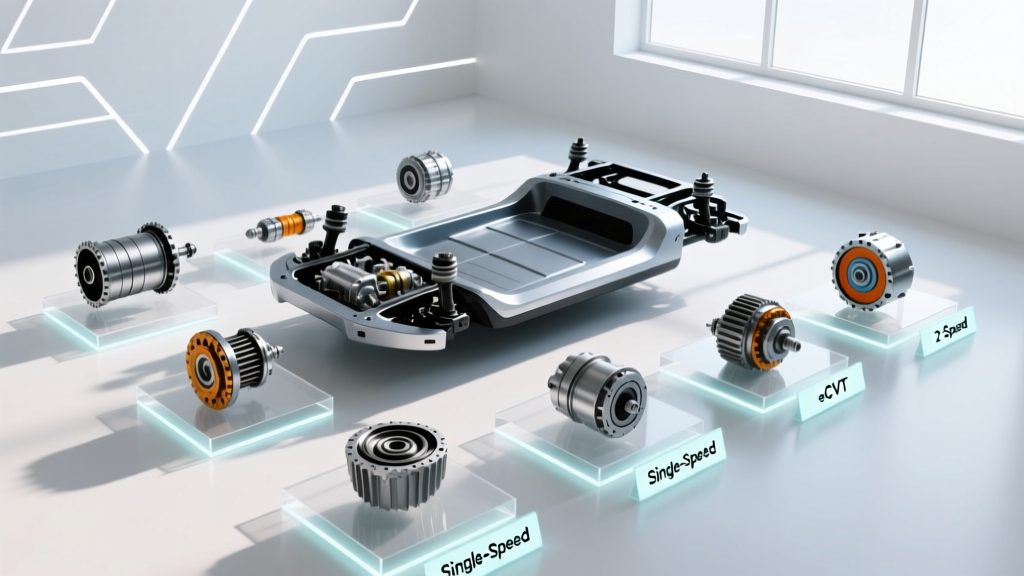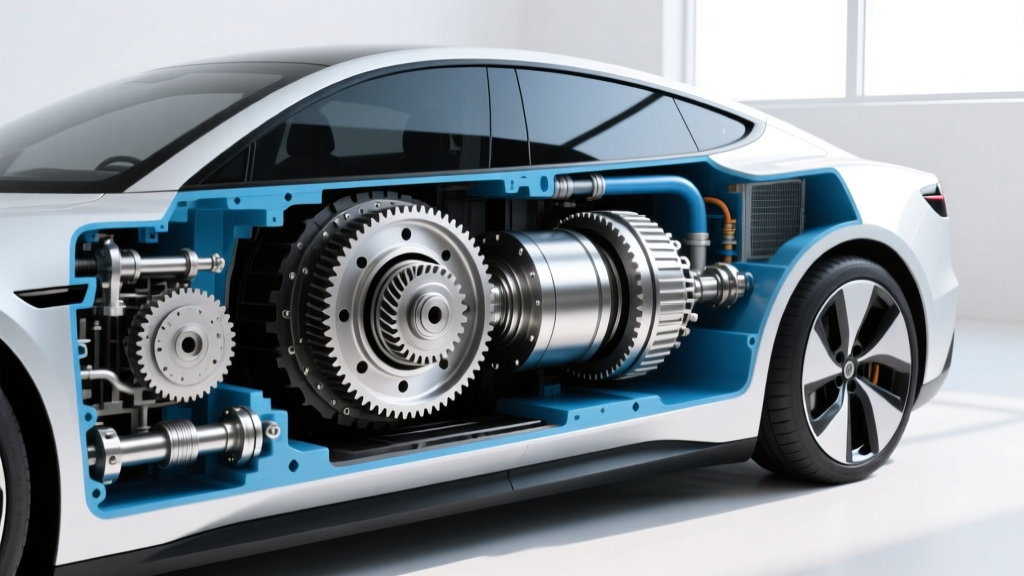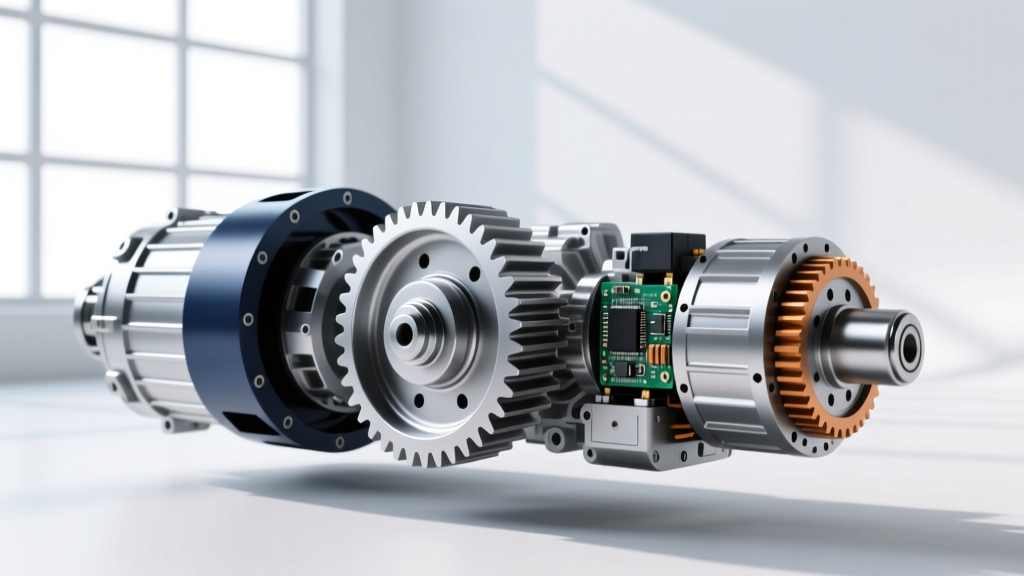
Most electric vehicles do not have a traditional multi-speed gearbox. Instead, they utilize a single-speed reduction gear to transfer power from the electric motor to the wheels. This mechanical simplicity eliminates the need for complex shifting mechanisms found in gas-powered cars. This guide is written for prospective electric vehicle buyers and automotive enthusiasts transitioning from internal combustion engine platforms who want to understand underlying drivetrain mechanics.
Key Takeaways
- Most electric vehicles use a single-speed reduction gear, not a multi-speed gearbox.
- Electric motors deliver peak torque at 0 RPM, removing the need for multiple gear ratios.
- Exceptions exist, such as the Porsche Taycan, which uses a two-speed transmission for high-speed performance.
- Electric vehicles do not require mechanical clutches to change gears or reverse direction.
How Electric Vehicle Drivetrains Actually Work
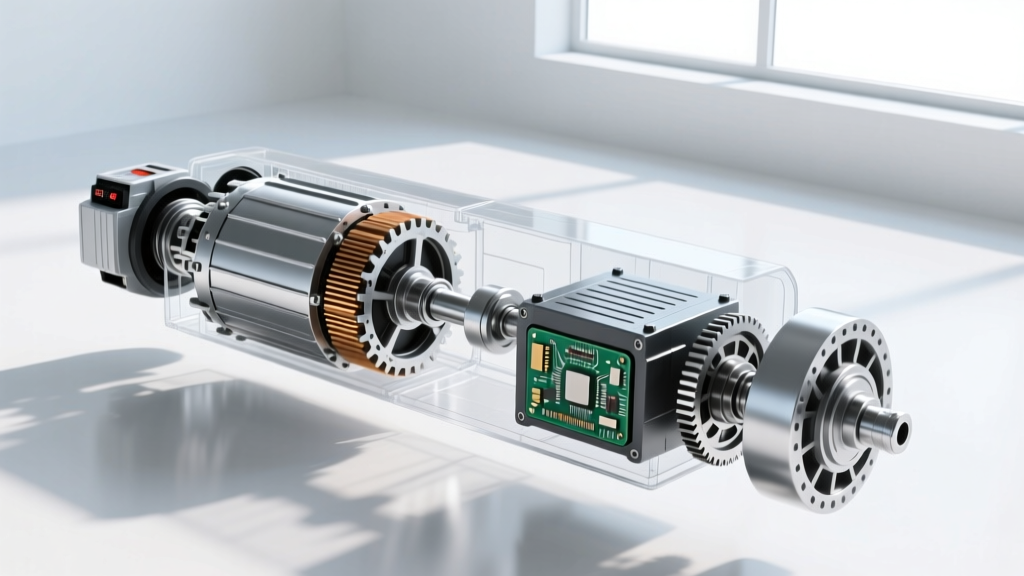
An electric vehicle drivetrain consists of three primary components: the battery pack, the power inverter, and the electric traction motor. Power flows from the battery through the inverter to the motor, which then connects to the wheels via a reduction gear and differential.
The Role of the Single-Speed Reduction Gear
Electric traction motors spin at incredibly high speeds, often exceeding 10,000 RPM. Connecting the motor directly to the wheels would result in unusable speeds and insufficient torque. The reduction gear solves this by applying a fixed ratio, typically around 15:1, to multiply torque while lowering the rotational speed to manageable levels.
Key Drivetrain Definitions
Reduction Gear: A specialized single-ratio gearbox integrated into an electric vehicle drivetrain that significantly lowers the extreme rotational speed of the electric traction motor to a usable wheel speed while simultaneously multiplying mechanical torque output for highly efficient, continuous acceleration without shifting.
Power Inverter: An advanced electronic control device that continuously converts direct current electrical energy from the high-voltage battery pack into the precise alternating current frequency and voltage required to accurately drive, control, and regulate the speed of the electric traction motor.
Why Most Electric Cars Do Not Need Multiple Gears
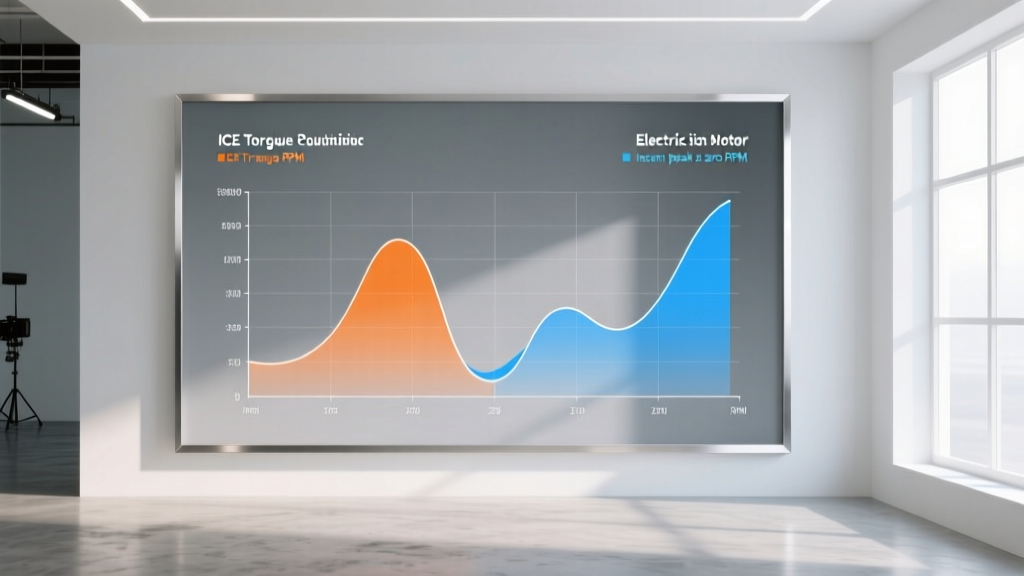
Internal combustion engines operate within a narrow power band, usually between 2,000 and 6,000 RPM. Multi-speed gearboxes are required to keep the engine within this optimal range during acceleration. Electric motors operate entirely differently.
Torque Curves: Electric Motors vs Internal Combustion Engines
Electric motors generate maximum torque at 0 RPM and maintain a flat torque curve through the majority of their rev range. According to the United States Department of Energy, this immediate torque delivery allows a single gear ratio to handle both initial acceleration and highway cruising efficiently.
Do Electric Vehicles Have Clutches?
Electric vehicles do not have mechanical clutches. Because electric motors can spin independently of the wheels and reverse their rotational direction electronically, there is no need for a friction clutch to disengage power during gear changes or to shift into reverse.
Exceptions: Electric Vehicles With Multi-Speed Gearboxes
While 95% of passenger electric vehicles rely on single-speed setups, specific high-performance and commercial applications utilize multi-speed gearboxes to optimize efficiency at extreme velocities.
The Porsche Taycan Two-Speed Transmission
The Porsche Taycan features a two-speed transmission on its rear axle. The first gear utilizes a short ratio of roughly 16:1 to maximize launch acceleration. The second gear shifts to an 8:1 ratio to improve top-speed efficiency, allowing the vehicle to reach 260 km/h while maintaining optimal motor efficiency. Details on this engineering choice are documented by the Porsche Newsroom.
Commercial and Heavy-Duty EV Applications
Electric semi-trucks and heavy-duty commercial vehicles often use two-speed or four-speed gearboxes. The massive weight of these vehicles requires extremely high torque for starting, but a taller gear is necessary to maintain highway speeds without over-revving the electric motor.
Single-Speed vs Multi-Speed EV Transmissions
| Feature | Single-Speed Reduction Gear | Multi-Speed Gearbox (2-Speed) |
|---|---|---|
| Complexity | Low (fewer moving parts) | High (requires shifting actuators) |
| Weight | Lighter (approx. 40 kg) | Heavier (approx. 70 kg) |
| Maintenance | Minimal (sealed fluid) | Moderate (clutch wear, fluid changes) |
| Top Speed Efficiency | Decreases at very high RPM | Optimized for high-speed cruising |
| Common Applications | Tesla Model 3, Hyundai Ioniq 5 | Porsche Taycan, Audi e-tron GT |
Frequently Asked Questions
Why don't electric cars need multiple gears?
Electric cars do not need multiple gears because electric motors provide a vastly broader operational RPM range than gas engines. They deliver peak torque instantly from a standstill and sustain power up to 10,000 RPM, making a single fixed gear ratio sufficient for all driving conditions.
Do Tesla models have traditional transmissions?
No, Tesla models do not have traditional multi-speed transmissions. The Tesla Model 3 and Tesla Model Y utilize a single-speed reduction gear. Early prototypes of the original Tesla Roadster attempted a two-speed gearbox, but the company abandoned it due to reliability issues, opting for a robust single-speed unit instead, as noted in United States Environmental Protection Agency technical overviews.
Conclusion and Next Steps
Electric vehicles largely bypass the need for complex multi-speed gearboxes by leveraging the broad torque bands of electric traction motors. The single-speed reduction gear provides a perfect balance of mechanical simplicity, reliability, and instantaneous acceleration. To fully understand how this mechanical simplicity translates to real-world performance, schedule a test drive at your local dealership to experience the seamless, uninterrupted acceleration of a single-speed reduction gear firsthand.