Key Takeaways: DCT Ownership Costs
- Routine Maintenance: Expect to pay $450 to $800 for specialized DCT fluid and filter changes every 40,000 to 60,000 miles.
- Major Repairs: Out-of-warranty mechatronic unit or clutch pack replacements average $2,500 to $4,500.
- Fuel Offset: A 5% to 8% improvement in fuel efficiency partially offsets higher maintenance costs over time.
- Wet vs. Dry: Wet-clutch DCT vehicles are significantly more reliable and cheaper to maintain long-term than dry-clutch variants.
Table of Contents
What is a Dual-Clutch Transmission?
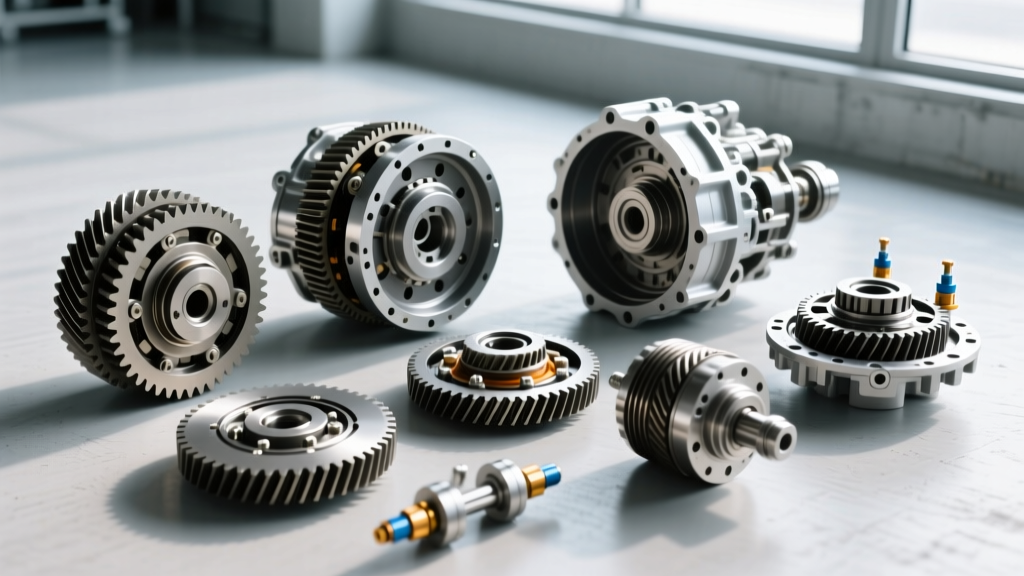
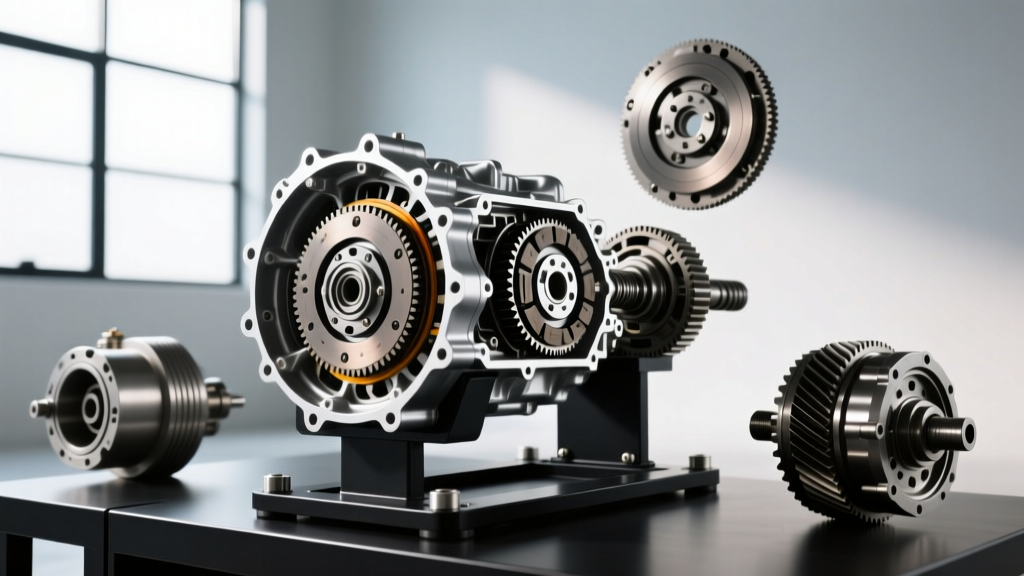
A Dual-Clutch Transmission (DCT) is an automated manual gearbox utilizing two separate clutches for odd and even gear sets. This architecture enables lightning-fast shifts without interrupting power delivery, blending the fuel efficiency of a manual transmission with the convenience of an automatic.
DCT Ownership Cost Breakdown
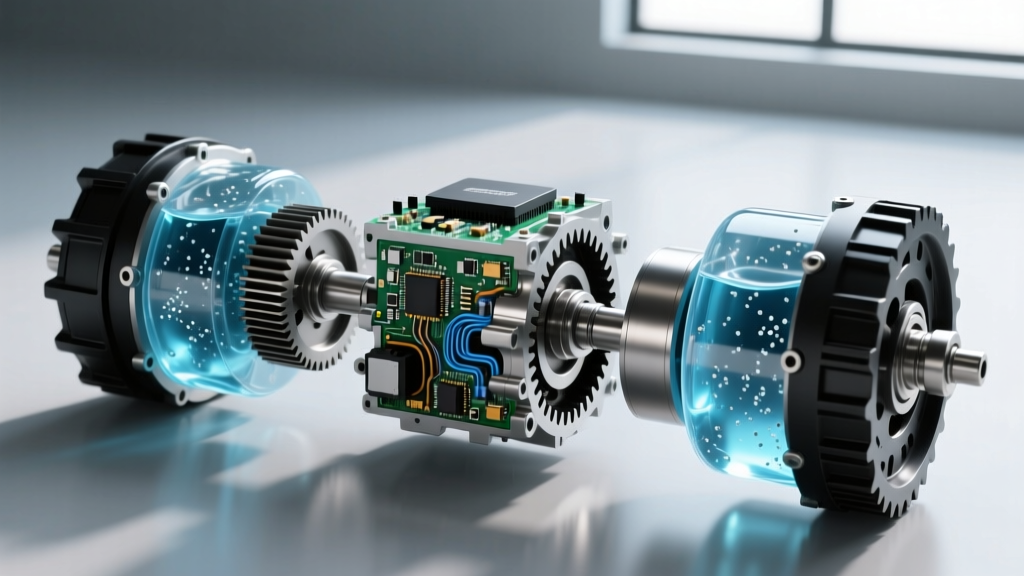
Owning DCT vehicles requires strict adherence to manufacturer maintenance schedules. Unlike traditional automatics that can sometimes tolerate delayed fluid changes, DCT systems rely on precise hydraulic pressure and clean fluid to operate the mechatronic control unit.
Routine Maintenance Expenses
Most automotive manufacturers, including the Volkswagen Group and Hyundai Motor Company, mandate DCT fluid and filter replacements every 40,000 to 60,000 miles. According to Consumer Reports, neglecting this interval leads to premature clutch wear and valve body clogging. Dealerships typically charge between $450 and $800 for this service, which requires specialized OEM fluid and proprietary diagnostic software to reset the adaptation values.
Out-of-Warranty Repair Costs
When DCT vehicles exceed 100,000 miles, the risk of major component failure increases. The mechatronic control unit, which houses the transmission control module and hydraulic solenoids, is the most expensive point of failure. Replacing this unit costs between $2,500 and $4,500, including parts and programming. Complete clutch pack replacements add another $1,500 to $2,800 to the repair bill.
Wet vs. Dry DCT Vehicles: A Reliability Comparison
When researching are dct cars reliable, the answer depends entirely on the clutch cooling method. The market is divided into wet-clutch and dry-clutch architectures, each with vastly different ownership profiles.
Wet-Clutch DCT Systems
Wet-clutch DCT vehicles submerge the friction plates in oil. This fluid dissipates heat, making wet clutches ideal for high-torque engines and stop-and-go traffic. Vehicles like the Porsche 911 (PDK) and higher-trim Ford models utilize wet clutches, resulting in significantly higher longevity and lower long-term repair frequencies.
Dry-Clutch DCT Systems
Dry-clutch systems operate without cooling fluid, relying on air to dissipate heat. While lighter and cheaper to manufacture, they are prone to overheating in heavy traffic. The Ford Motor Company faced massive litigation over the dry-clutch PowerShift transmission in the Ford Focus and Fiesta due to shuddering and premature clutch wear. Buyers should generally avoid used dry-clutch DCT vehicles out of warranty.
DCT vs. Torque Converter vs. CVT
Understanding how DCT vehicles compare to other transmission types helps contextualize their ownership costs. Car and Driver notes that each transmission type offers distinct trade-offs between performance, efficiency, and longevity.
| Feature | Dual-Clutch (DCT) | Torque Converter Automatic | Continuously Variable (CVT) |
|---|---|---|---|
| Shift Speed | Extremely Fast (milliseconds) | Moderate to Fast | Seamless (no fixed gears) |
| Fuel Efficiency | Excellent (5-8% over auto) | Good | Excellent |
| 10-Year Maintenance Cost | High ($3,500 - $5,000) | Moderate ($1,500 - $2,500) | Moderate to High ($2,000 - $4,000) |
| Low-Speed Smoothness | Poor to Moderate (can jerk) | Excellent | Good (can drone) |
| Best Use Case | Performance / Highway driving | Daily commuting / Towing | City commuting / Hybrids |
Frequently Asked Questions
What is the dct transmission maintenance schedule?
The standard dct transmission maintenance schedule requires a fluid and external filter change every 40,000 miles for severe driving conditions (city traffic, towing) or every 60,000 miles for normal highway driving. Always consult your specific owner's manual, as intervals vary by manufacturer.
Are wet dct vehicles better for city driving?
Yes. Wet DCT vehicles handle the heat generated by frequent stop-and-go traffic much better than dry-clutch variants. The oil bath prevents the friction materials from glazing and degrading, making them the only recommended DCT type for urban commuters.
Do DCT vehicles hold their resale value?
DCT vehicles generally hold their value well if they have a documented history of strict maintenance. However, models equipped with early-generation dry-clutch systems suffer from steep depreciation due to widespread reliability concerns.
Conclusion and Next Steps
DCT vehicles offer unmatched shift speeds and excellent fuel economy, but they demand rigorous maintenance and carry higher out-of-warranty repair risks compared to traditional automatics. The 15% to 25% premium in long-term upkeep is the price of admission for superior performance. If you are considering a used DCT-equipped car, your immediate next step must be to verify the transmission fluid change history via a pre-purchase inspection and pull the mechatronic adaptation data using an OBD2 scanner to check for hidden clutch wear.