Can a Torque Converter Be Rebuilt? A Comprehensive Guide
- A torque converter can indeed be rebuilt, often restoring or improving performance.
- Rebuilding is cost-effective compared to replacement, typically costing $300 to $800.
- DIY rebuilds are possible but require specialized tools and knowledge.
- Professional rebuilds offer higher reliability and performance upgrades.
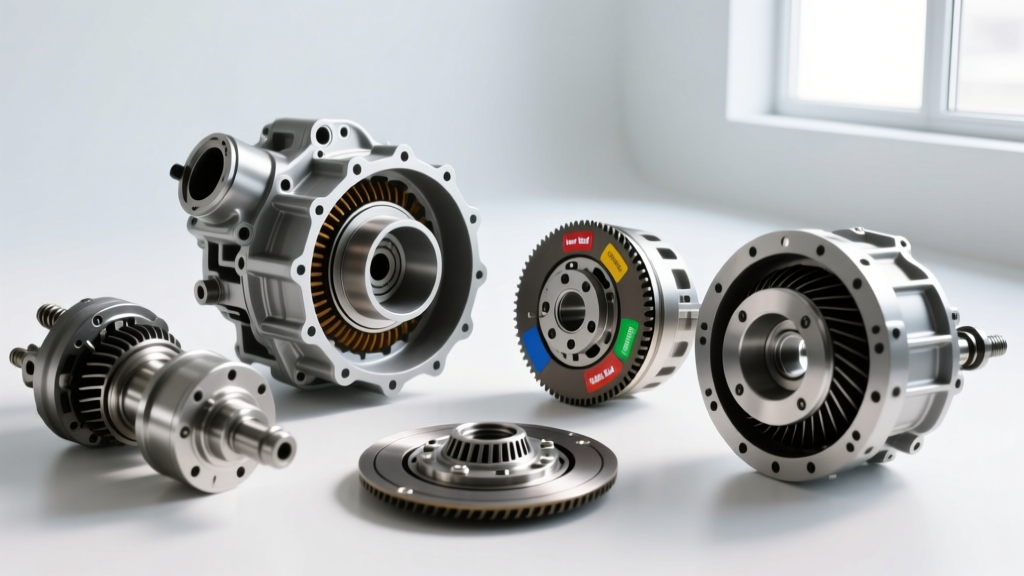
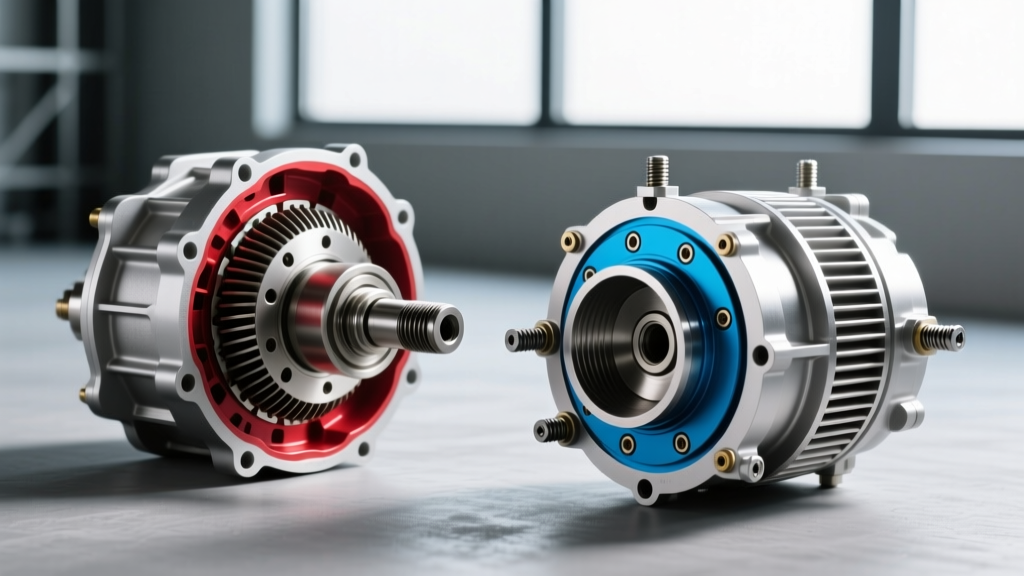
Yes, a torque converter can be rebuilt. This process involves disassembling, inspecting, and replacing worn or damaged components to restore or enhance its performance. Rebuilding a torque converter is a cost-effective alternative to buying a new one, making it a popular choice for many vehicle owners and mechanics. In this guide, we will cover the steps involved in rebuilding a torque converter, the benefits, and the costs associated with both DIY and professional services.
Understanding Torque Converters and Their Function
A torque converter is a hydrodynamic fluid coupling that transfers rotational power from the engine to the transmission in automatic vehicles. It consists of three main components: the impeller, turbine, and stator. The impeller is connected to the engine, the turbine to the transmission, and the stator modifies the flow of fluid between them. When the torque converter fails, symptoms include shuddering, slipping, and poor acceleration.
Why Rebuild a Torque Converter?
- Cost-Effective: Rebuilding is generally more affordable than replacing, with costs ranging from $300 to $800, depending on the extent of damage and desired upgrades.
- Performance Enhancement: Upgrading components during the rebuild can improve the torque converter's efficiency and responsiveness.
- Environmental Benefits: Reusing and refurbishing parts reduces waste and supports sustainability.
Steps to Rebuild a Torque Converter
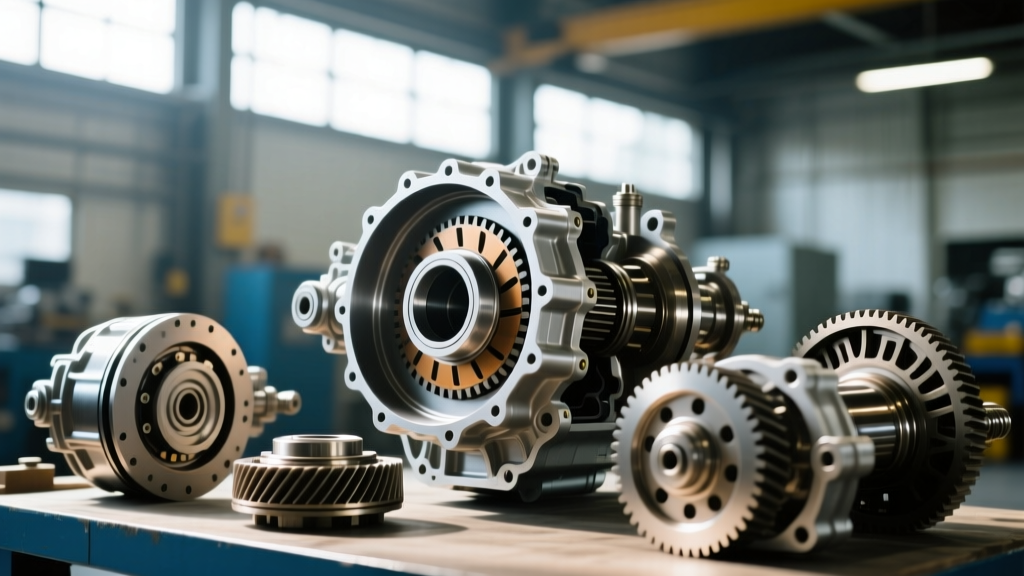
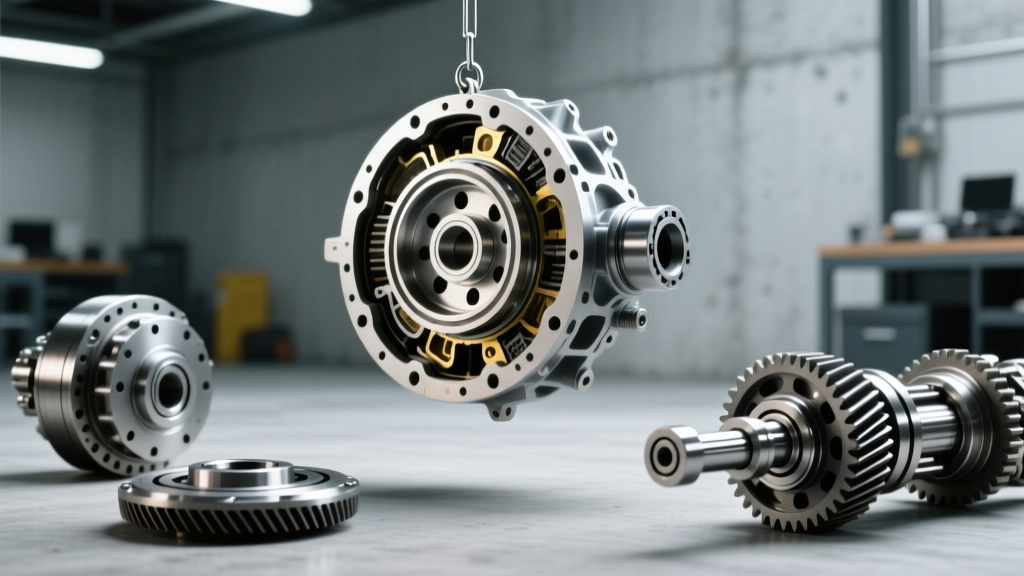
- Disassembly: Remove the torque converter from the vehicle and disassemble it using specialized tools. Inspect all components for wear and damage.
- Cleaning: Thoroughly clean all parts to remove contaminants and debris. Use a solvent designed for automotive parts.
- Inspection and Replacement: Replace any worn or damaged components, such as seals, bearings, and clutch plates. Ensure all new parts meet the original equipment manufacturer (OEM) specifications.
- Reassembly: Reassemble the torque converter, ensuring all parts are correctly aligned and torqued to the manufacturer's specifications.
- Balancing: Balance the torque converter to ensure smooth operation. An unbalanced torque converter can cause vibrations and other issues.
- Installation: Install the rebuilt torque converter back into the vehicle and test it for proper function.
DIY vs. Professional Rebuild
While a DIY rebuild is possible, it requires specialized tools and a high level of mechanical knowledge. Professional rebuilds offer several advantages:
- Expertise: Professionals have the experience and training to diagnose and fix issues accurately.
- Warranty: Many professional services offer warranties on their work, providing peace of mind.
- Performance Upgrades: Professionals can recommend and install performance-enhancing components, such as high-stall converters or stronger lockup clutches.
Cost Considerations
| Service | Cost Range |
|---|---|
| DIY Rebuild Kit | $100 to $300 |
| Professional Rebuild | $300 to $800 |
| New Torque Converter | $500 to $1,500 |
FAQs About Torque Converter Rebuilds
Q: How long does a rebuilt torque converter last?
A: A properly rebuilt torque converter can last as long as a new one, typically 100,000 to 150,000 miles, depending on the quality of the rebuild and driving conditions.
Q: Can I drive with a faulty torque converter?
A: Driving with a faulty torque converter is not recommended. It can lead to further damage to the transmission and engine, and may result in a breakdown. It is best to address the issue promptly.
Q: What are the signs of a failing torque converter?
Signs of a failing torque converter include shuddering, slipping, poor acceleration, and overheating. If you notice these symptoms, it is advisable to have the torque converter inspected and possibly rebuilt or replaced.
Conclusion
Rebuilding a torque converter is a viable and cost-effective solution for restoring or enhancing its performance. Whether you choose to do it yourself or seek professional help, the key is to ensure that the rebuild is done correctly and with high-quality components. For those who prefer professional service, consider contacting a reputable transmission shop. To get started, you can find a local mechanic or transmission specialist using online directories or recommendations from fellow car enthusiasts.