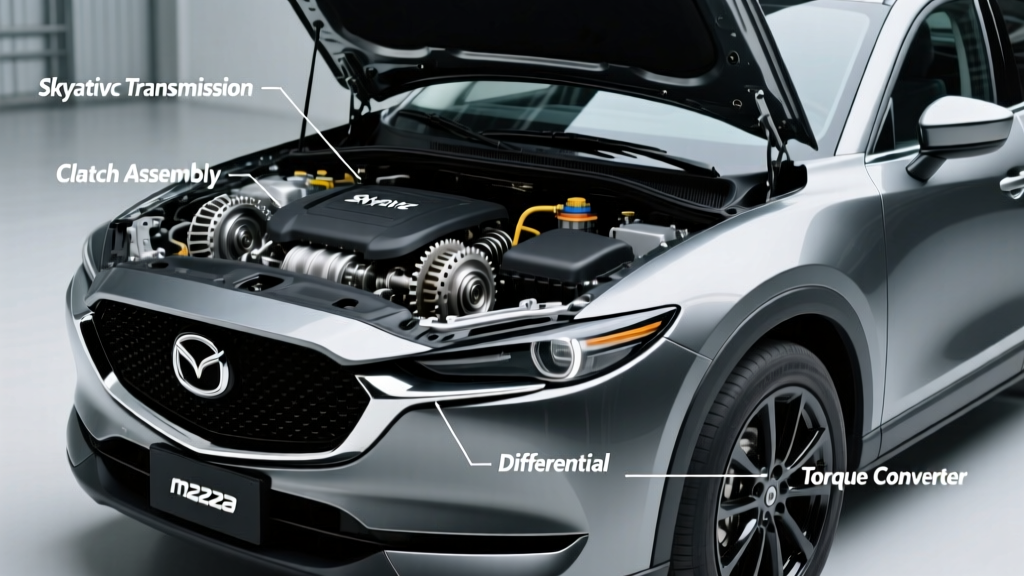
An all-wheel drive (AWD) transmission continuously distributes engine torque to all four wheels, utilizing torque biasing to dynamically adjust the front-to-rear power split based on real-time traction data. Unlike part-time four-wheel drive systems, an AWD transmission requires no driver intervention to engage the secondary axle. This guide is designed for automotive enthusiasts, daily drivers in low-traction climates, and prospective vehicle buyers evaluating 2026 drivetrain technologies.
Key Takeaways
- AWD transmissions automatically distribute power to all four wheels without driver input.
- Torque biasing adjusts the front-to-rear power split to prevent wheel slip before traction is fully lost.
- Modern 2026 systems react to traction loss in under 100 milliseconds using electronic clutch packs.
- AWD systems typically incur a 15 percent fuel economy penalty compared to two-wheel drive equivalents.
How an All-Wheel Drive Transmission Distributes Power
The core function of an AWD transmission is to manage rotational force across both axles simultaneously. Power flows from the engine into the transmission, then through a center differential or a multi-plate clutch assembly. This component dictates the baseline torque split, which is typically a 50/50 ratio or a front-biased 60:40 ratio in standard passenger vehicles.
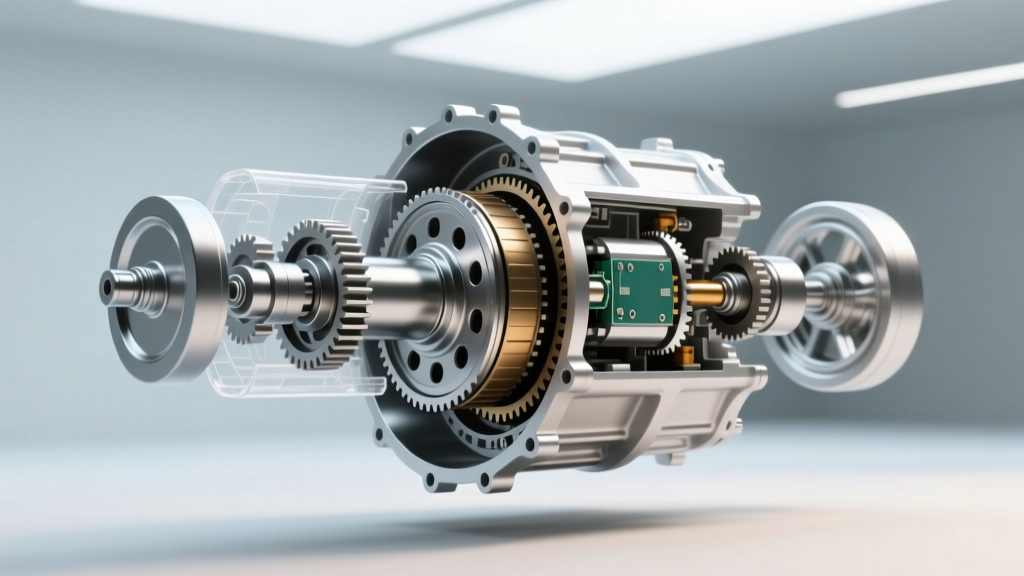
When wheel slip is detected by the vehicle's traction control sensors, the system alters this split. According to testing by Car and Driver, modern electronic AWD systems can redirect up to 100 percent of available torque to the axle with the most grip in approximately 100 milliseconds.
Mechanical vs. Electronic Torque Biasing
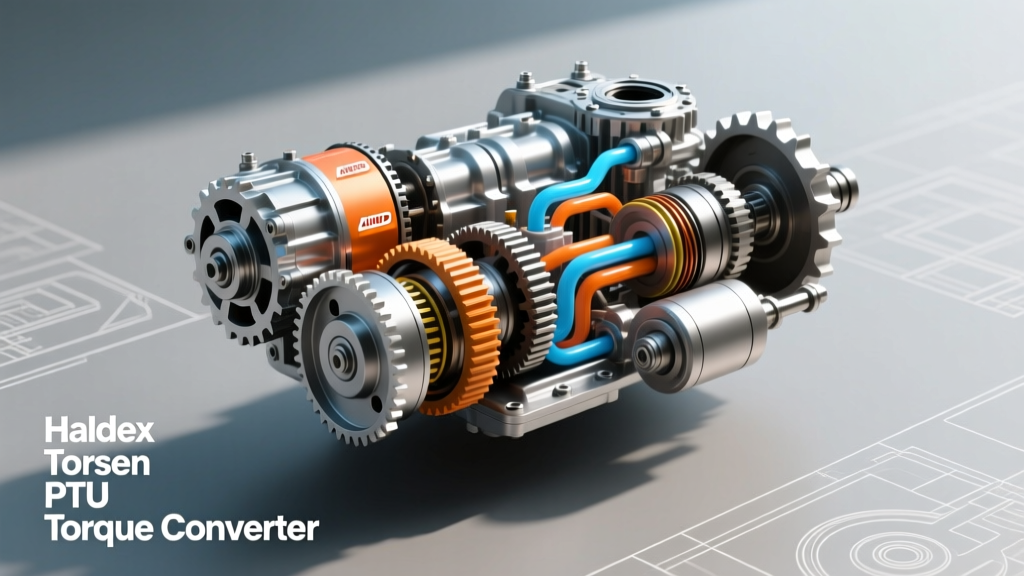
Mechanical torque biasing relies on gear-driven center differentials, such as the Torsen unit found in the Audi Quattro system. These react instantly to torque differences without electronic latency. Electronic systems, like the Haldex clutch packs used in many transverse-engine platforms, rely on hydraulic pressure and sensor data to clamp clutch plates together, physically linking the front and rear driveshafts.
Definition: Torque Biasing
Torque biasing is the automatic redistribution of rotational force between the front and rear axles in an all-wheel drive system. It relies on mechanical grip limits or electronic clutch packs to prevent wheel slip before traction is fully lost, maintaining a predetermined baseline power split.
Torque Vectoring vs. Torque Biasing in Modern Drivetrains
While torque biasing manages the longitudinal (front-to-rear) power split, torque vectoring manages the lateral (left-to-right) power split. High-performance 2026 AWD transmissions utilize active rear differentials to overdrive the outside rear wheel during cornering. This generates a yaw moment that physically rotates the vehicle into the turn, drastically reducing understeer.
Definition: Torque Vectoring
Torque vectoring actively distributes power not just between axles, but laterally between the left and right wheels on the same axle. By overdriving the outside wheel during a corner, the system generates a yaw moment that physically rotates the vehicle, significantly reducing understeer and tightening the turning radius.
Active Yaw Control and Cornering Dynamics
Vehicles like the Subaru Symmetrical All-Wheel Drive platform prioritize mechanical grip and balanced weight distribution, often pairing it with brake-based torque vectoring. By applying brake pressure to the inside wheel, the system forces the differential to send more torque to the outside wheel. True mechanical torque vectoring differentials are heavier and require exactly 3.2 quarts of specialized synthetic gear oil for proper lubrication, but they offer superior thermal durability on track.
Drivetrain Decision Matrix: Choosing the Right Transmission
Selecting the correct drivetrain requires matching the transmission type to your specific environmental and performance needs. Use the framework below to evaluate your requirements.
| Drivetrain Type | Primary Use Case | Traction Capability | Fuel Economy Impact |
|---|---|---|---|
| Front-Wheel Drive (FWD) | Urban commuting, mild climates | Low (Front wheels only) | Baseline (Best efficiency) |
| All-Wheel Drive (AWD) | Snow, rain, mixed terrain, performance | High (Automatic 4-wheel distribution) | Moderate (10-15 percent penalty) |
| Part-Time 4WD | Off-road, deep mud, rock crawling | Maximum (Locked axles, low range) | Severe (Heavy weight, high drag) |
| Electric Dual-Motor AWD | Instant torque, winter traction, EV platforms | Very High (Independent motor control) | Minimal (No mechanical parasitic loss) |
Frequently Asked Questions About All-Wheel Drive Transmissions
How does an AWD transmission work?
An AWD transmission uses a center differential or an electronically controlled clutch pack to send power to both the front and rear axles simultaneously. Wheel speed sensors monitor traction at each corner, instructing the transmission to shift torque away from slipping wheels and toward those with grip.
What are the main AWD vs 4WD transmission differences?
The primary difference lies in driver engagement and axle locking. AWD operates automatically and allows the front and rear axles to spin at different speeds, making it safe for dry pavement. Part-time 4WD requires manual engagement and mechanically locks the front and rear driveshafts together, which causes drivetrain binding if used on high-traction surfaces.
Does an AWD transmission use more fuel?
Yes. The added weight of the rear differential, driveshaft, and extra axles increases vehicle mass. Furthermore, spinning these additional mechanical components creates parasitic drag. Data from the United States Environmental Protection Agency indicates that AWD systems typically reduce combined fuel economy by 10 to 15 percent compared to their two-wheel drive counterparts.
Conclusion and Next Steps
An AWD transmission fundamentally alters vehicle dynamics by continuously managing longitudinal and lateral grip through sophisticated torque biasing and vectoring mechanisms. Understanding these mechanical differences ensures you select a drivetrain that aligns with your safety requirements and performance expectations. To maintain optimal system health, consult your specific vehicle owner's manual for the manufacturer-recommended transfer case and differential fluid replacement intervals, or schedule a drivetrain inspection with a certified automotive technician.