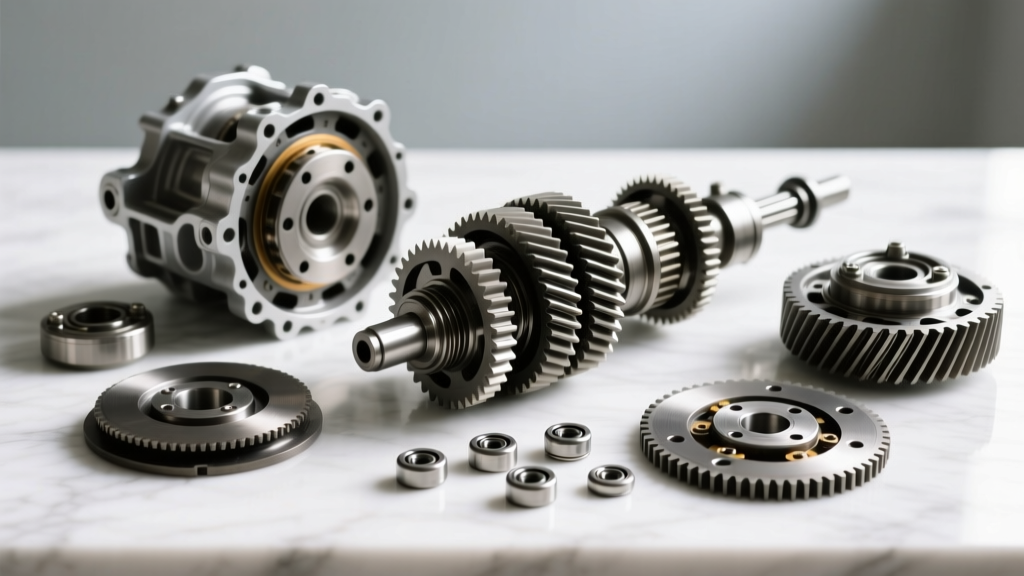
The average cost for a car transmission replacement ranges from $3,500 to $7,500 in 2026, while targeted repairs typically cost between $500 and $1,500. You should opt to replace transmission components entirely if the repair estimate exceeds 60% of a full replacement cost, or if internal damage involves the torque converter and main shaft. This guide is specifically written for vehicle owners experiencing sudden shifting issues, slipping gears, or diagnostic trouble codes indicating catastrophic internal failure.
Key Takeaways
- Average Replacement Cost: $3,500 to $7,500 (parts and labor combined).
- The 60% Rule: Replace the entire unit if localized repair costs exceed 60% of a new installation.
- Lifespan Expectancy: A remanufactured unit should reliably last 150,000 miles with proper Automatic Transmission Fluid (ATF) maintenance.
Average Car Transmission Replacement Costs in 2026
Labor and parts dictate the final invoice when you replace transmission systems in modern vehicles. According to RepairPal, the national average for a complete replacement sits between $3,500 and $7,500, heavily influenced by whether the vehicle requires a standard 6-speed or a complex 10-speed automatic unit. Labor alone accounts for 12 to 18 hours of shop time, translating to $1,200 to $2,700 at current 2026 hourly rates.

Targeted repairs are significantly cheaper but only viable for external or minor hydraulic failures. Replacing a transmission speed sensor, shift solenoid, or external seal typically costs between $500 and $1,500. However, if the transmission pan is dropped and metallic debris is found in the Automatic Transmission Fluid (ATF), internal mechanical failure has occurred, rendering minor repairs ineffective.
Transmission Repair vs. Replacement Decision Framework
Deciding between a localized fix and a full swap requires evaluating the vehicle's overall condition and the extent of internal wear. Use the decision matrix below to determine the most financially sound path forward for your specific situation.
| Diagnostic Scenario | Recommended Action | Estimated Cost Range |
|---|---|---|
| External fluid leak or faulty sensor | Targeted Component Repair | $300 - $800 |
| Slipping gears with burnt ATF fluid | Full Transmission Replacement | $3,500 - $7,500 |
| Repair quote exceeds 60% of replacement | Full Transmission Replacement | $3,500 - $7,500 |
| Vehicle value is under $4,000 | Sell vehicle or install used unit | $1,500 - $2,500 |
Targeted Repair Scenarios
Opt for a repair when the issue is isolated to electronic controls or external seals. A failing transmission control module (TCM) or a leaking output shaft seal does not require dismantling the entire gear train. These fixes restore full functionality without the massive labor overhead of pulling the transmission from the vehicle chassis.
Full Replacement Scenarios
A full replacement is mandatory when internal clutch packs are burnt, planetary gears are shattered, or the torque converter has failed catastrophically. The National Institute for Automotive Service Excellence (ASE) standards dictate that internal metallic contamination requires a complete teardown and replacement. Attempting to flush and repair a mechanically destroyed unit will result in repeated failure within weeks.
Rebuilt, Remanufactured, or New: Comparing Options
When a full swap is necessary, you must choose between three distinct parts categories. Understanding the engineering differences between these options ensures you do not overpay for unnecessary factory packaging or underpay for an unreliable unit.
Torque Converter: A fluid coupling device that transfers rotating power from the engine to the transmission, allowing the vehicle to come to a complete stop without stalling the engine while maintaining hydraulic pressure for gear engagement.
Remanufactured Transmission: A used transmission completely disassembled, cleaned, and rebuilt to original equipment manufacturer specifications using new seals, clutches, and updated valve bodies. The unit is then rigorously dyno-tested by certified technicians to ensure performance matches factory standards before final retail sale.
- New (OEM): Purchased directly from the dealership, costing $4,500 to $8,000. Offers maximum reliability but is rarely cost-effective for vehicles over five years old.
- Remanufactured: The industry standard for replacements, costing $2,500 to $4,500. These units feature factory updates that fix known weaknesses from the original production run.
- Rebuilt: A shop-level repair where only the broken parts are replaced, costing $1,800 to $3,000. This option carries the highest risk of secondary failures.
5 Critical Signs You Need to Replace Your Transmission
Ignoring early warning signs transforms a minor service requirement into a catastrophic mechanical failure. Monitor your vehicle for these definitive indicators of terminal transmission health.
- Delayed Engagement: A noticeable pause of 2 to 3 seconds when shifting from park to drive, indicating severe hydraulic pressure loss.
- Burnt Fluid Odor: ATF should smell slightly sweet or metallic; a distinct burnt toast smell means the internal clutch friction materials are disintegrating.

- Shuddering at Cruising Speeds: Vibrations between 30 and 50 miles per hour typically point to a failing torque converter clutch.
- Whining or Clunking Noises: Mechanical grinding in neutral or during gear changes signifies destroyed needle bearings or shattered planetary gears.
- Limp Mode Activation: The vehicle computer restricts the car to second or third gear to protect the drivetrain from further mechanical damage.
Frequently Asked Questions
How long does it take to replace a transmission?
A professional shop typically requires 2 to 4 days to complete a full car transmission replacement. This timeframe includes 12 to 18 hours of physical labor, plus necessary time for fluid curing, computer reprogramming, and final road testing.
Is it worth replacing a transmission on an older car?
It is financially viable to replace transmission components if the vehicle's overall market value exceeds the replacement cost by at least 200%. If the repair bill is $4,000, the vehicle should be worth at least $12,000 in good condition to justify the investment over purchasing a newer used car.
What is the difference between a rebuilt and remanufactured transmission?
A rebuilt transmission only replaces the specific broken components, leaving older, worn parts inside the casing. A remanufactured transmission is entirely stripped to the bare metal, machined, and fitted with completely new internal wear items, offering vastly superior longevity and warranty coverage.
Conclusion: Making Your Final Decision
Choosing between a repair and a full car transmission replacement ultimately hinges on the 60% cost rule and the presence of internal metallic contamination. If your diagnostic fluid analysis reveals burnt clutches or shattered gears, localized repairs are a waste of capital. Your immediate next step is to request a written teardown inspection from an ASE-certified technician to confirm the exact failure point before authorizing any major drivetrain work.