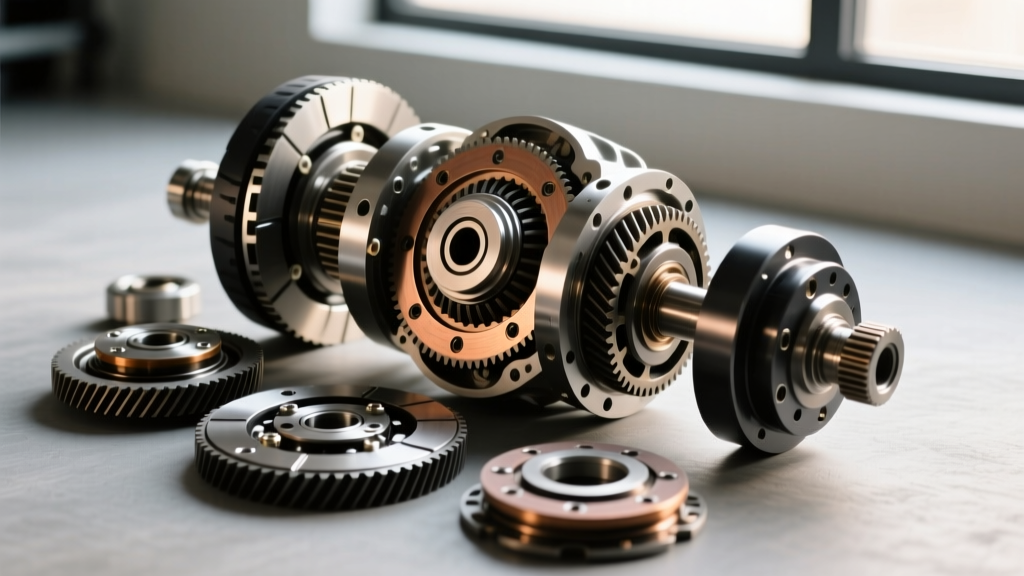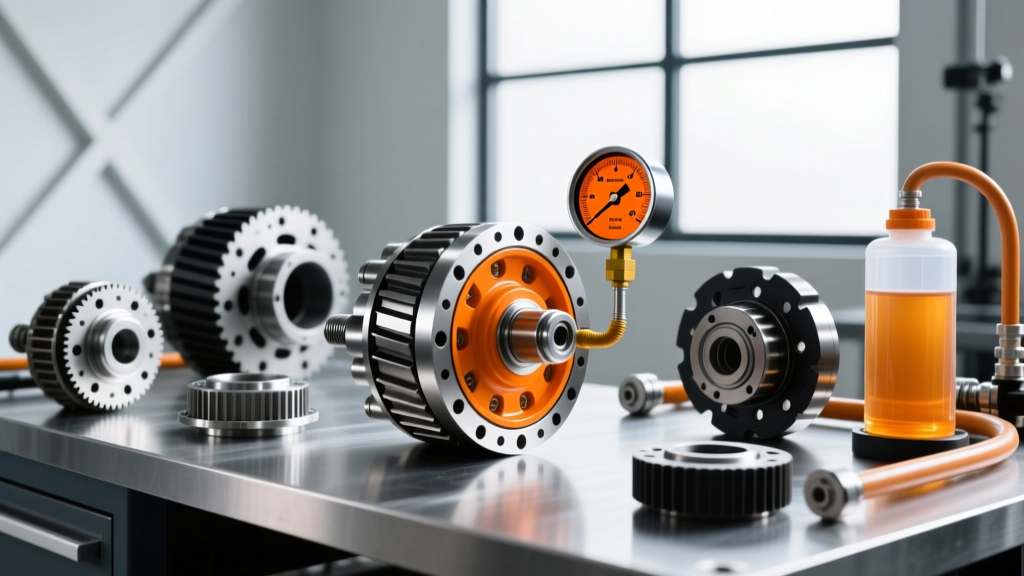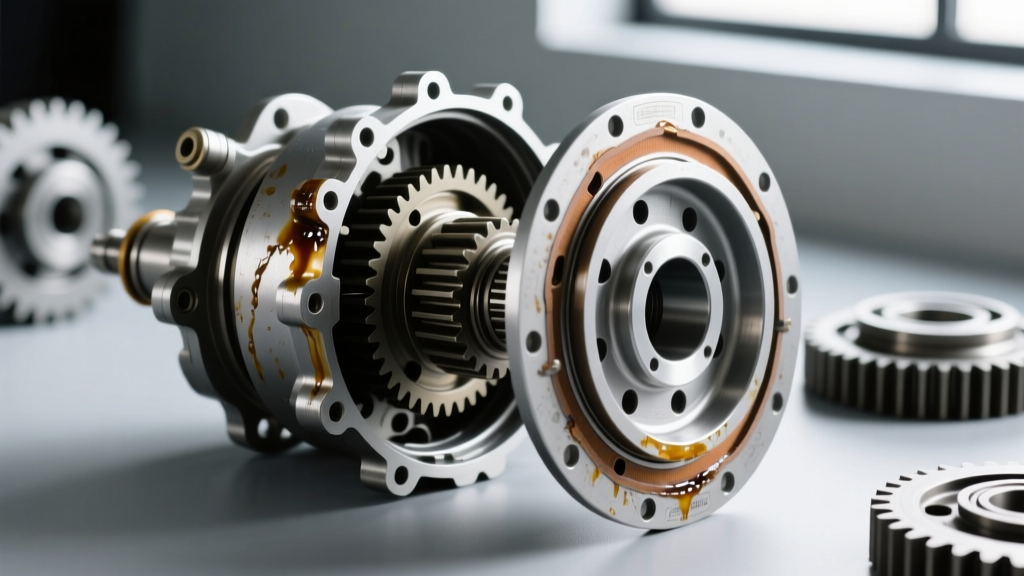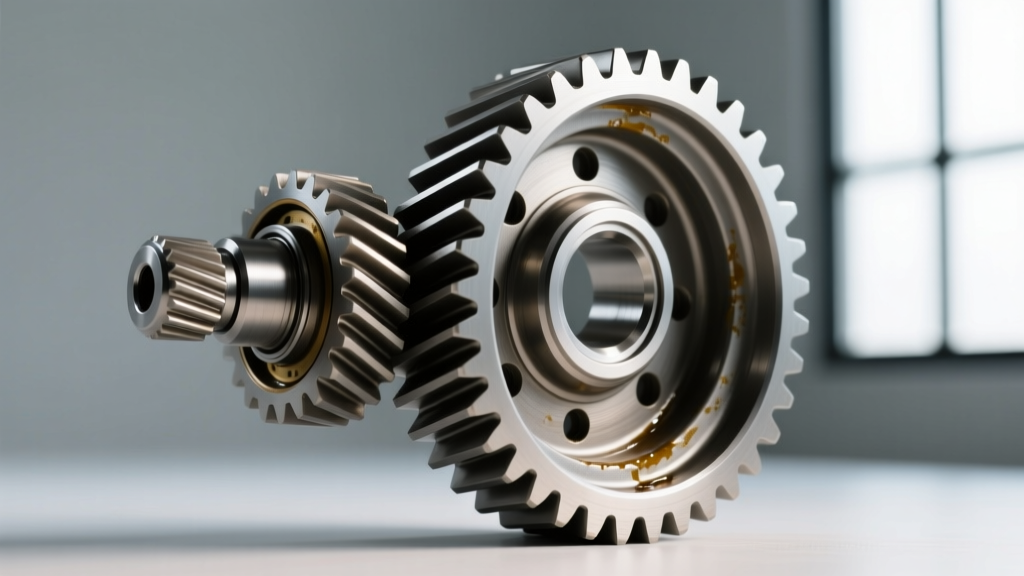
A pinion gear in a differential is the smaller, cylindrical drive gear that mates with the larger ring gear to transfer rotational power from the driveshaft to the axle shafts at a 90-degree angle. This guide is written for DIY mechanics, automotive students, and drivetrain technicians seeking to understand rear-wheel differential mechanics and execute a precise ring and pinion setup.
Key Takeaways
- The pinion gear redirects driveshaft torque 90 degrees to the ring gear.
- Proper setup requires exact pinion depth, bearing preload, and backlash measurements.
- Incorrect mesh patterns lead to catastrophic gear failure within 500 miles.
The Role of the Pinion Gear in a Rear-Wheel Differential
The primary function of the pinion gear is torque multiplication and directional change. When a vehicle utilizes a 4.10:1 gear ratio, the pinion gear rotates 4.10 times for every single rotation of the ring gear, providing immense mechanical advantage for acceleration and towing.
Pinion Gear Definition: A pinion gear is a small, cylindrical cogwheel that engages with a larger ring gear inside a differential housing. It serves as the primary input mechanism, converting longitudinal driveshaft rotation into lateral axle rotation while multiplying torque output based on the specific gear ratio.
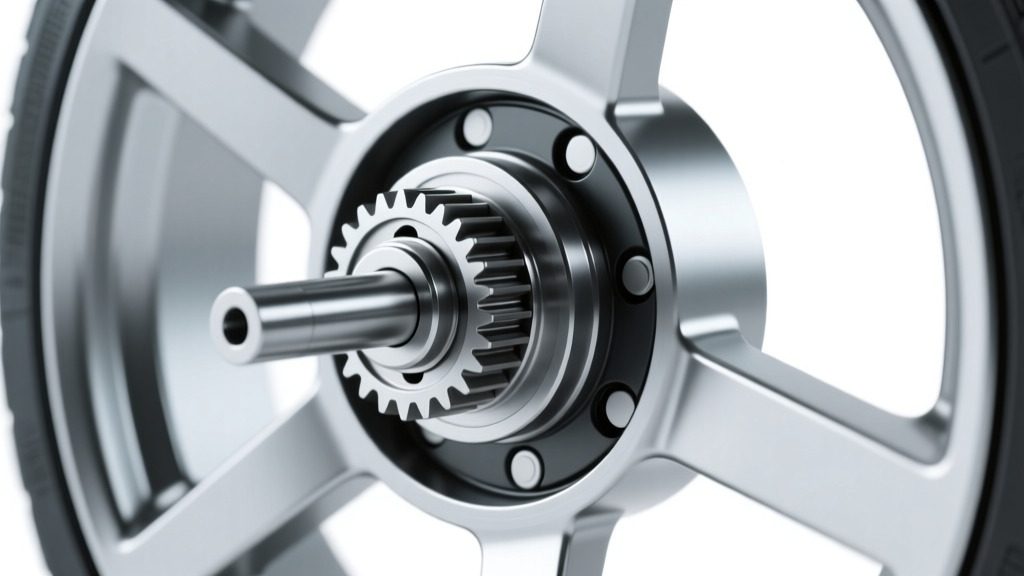
Because the pinion gear operates under extreme shearing forces, it is manufactured from forged alloy steel and heat-treated for surface hardness. The mating surfaces require specialized extreme-pressure lubricants to prevent micro-welding during heavy load cycles.
Ring and Pinion Setup Fundamentals
Executing a flawless setup requires adherence to strict tolerances. According to Yukon Gear & Axle installation guidelines, failing to achieve the correct contact pattern will result in rapid tooth degradation and excessive noise.
Pinion Depth and Bearing Preload
Pinion depth dictates how deeply the pinion gear meshes into the ring gear. Technicians use precision shims behind the pinion bearing to adjust this depth until the tooth contact pattern is perfectly centered.
Bearing preload ensures the pinion bearings are tight enough to prevent deflection under load. A typical pinion bearing preload specification is 15 inch-pounds of rotational torque, measured with a beam-style torque wrench.
Ring Gear Backlash and Tooth Pattern
Backlash is the microscopic gap between the mating teeth of the ring and pinion gears. Standard backlash for a street-driven rear-wheel differential is usually 0.008 inches, allowing for thermal expansion without binding.
Technicians apply yellow gear marking compound to verify the contact pattern. The Society of Automotive Engineers mandates specific contact zones to prevent edge-loading, which occurs when gears mesh too close to the toe or heel of the tooth.
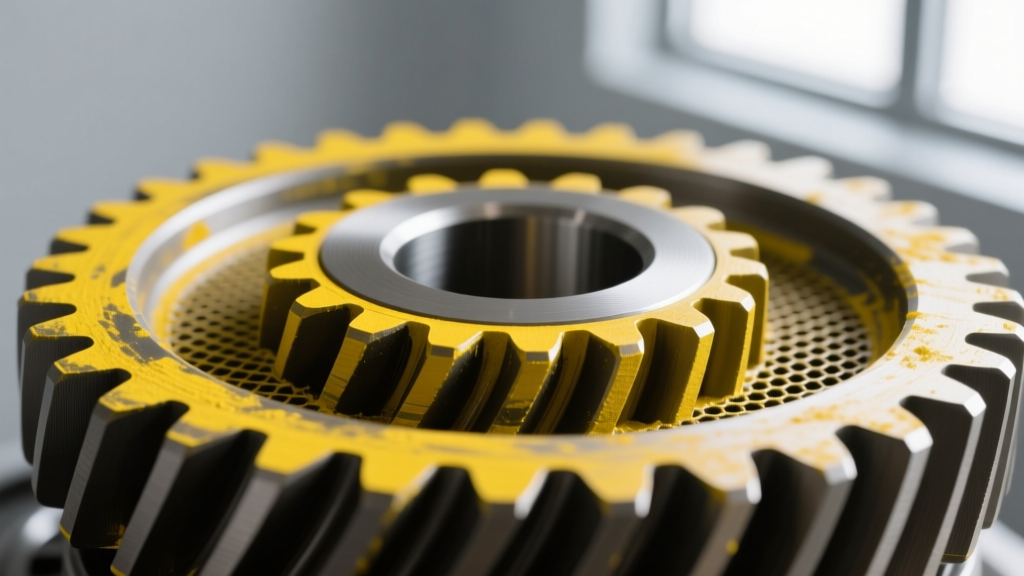
Practical Setup Checklist and Specifications
Use this reference matrix to verify your differential setup parameters before finalizing the assembly. Data sourced from Eaton Corporation drivetrain specifications for standard hypoid gearsets.
| Parameter | Target Specification | Measurement Tool |
|---|---|---|
| Pinion Bearing Preload | 15 to 25 inch-pounds | Beam-style inch-pound torque wrench |
| Ring Gear Backlash | 0.006 to 0.010 inches | Dial indicator with magnetic base |
| Differential Case Bearing Preload | 0.003 to 0.005 inches | Feeler gauge or case spreader |
| Gear Oil Viscosity | 85W-140 synthetic | N/A (Fluid specification) |
Frequently Asked Questions
What does a pinion gear do in a rear axle?
It acts as the input shaft gear, receiving rotational energy from the driveshaft and transferring it to the ring gear to turn the axle shafts. It also dictates the final drive ratio of the vehicle.
How do you measure pinion gear backlash?
Mount a dial indicator to the differential housing, position the stylus on a ring gear tooth, and rock the ring gear back and forth while holding the pinion yoke completely stationary.
What causes pinion gear whine?
Gear whine typically results from incorrect pinion depth, inadequate bearing preload, or using gear oil that lacks the necessary extreme pressure additives required for hypoid gear friction management.
Conclusion
The pinion gear is the critical input component that redirects and multiplies torque in a rear-wheel differential. Mastering its interaction with the ring gear is essential for drivetrain longevity and performance.
As your next step, procure a dial indicator and an inch-pound torque wrench, then begin mocking up your gear set with marking compound to verify your contact pattern before final assembly.