Changing the 2017 Honda Pilot dual pump rear differential fluid requires draining the old lubricant via the 10mm drain bolt, replacing the aluminum crush washer, and refilling with exactly 1.9 quarts (1.8 liters) of Honda Genuine Dual Pump Fluid II. While some owners seek an aftermarket differential fluid for Honda dual pump applications, American Honda Motor Co., Inc. strongly mandates their specific formulation to prevent clutch pack groaning. This guide is engineered for DIY mechanics and Honda Pilot owners aiming to service their Real-Time 4WD system safely while avoiding dealership labor premiums.
Key Takeaways
- Capacity: 1.9 quarts (1.8 liters) of Honda Genuine Dual Pump Fluid II.
- Interval: Every 30,000 miles (48,000 kilometers) under severe driving conditions.
- Aftermarket Warning: Standard 75W-90 gear oil will damage the dual-pump clutch pack.
Understanding the Honda Dual Pump Differential
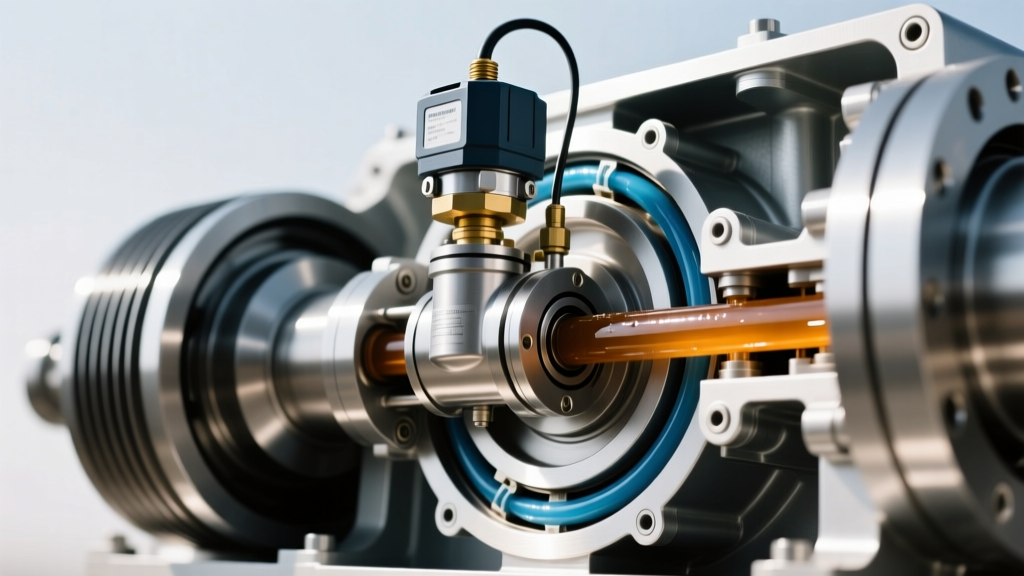
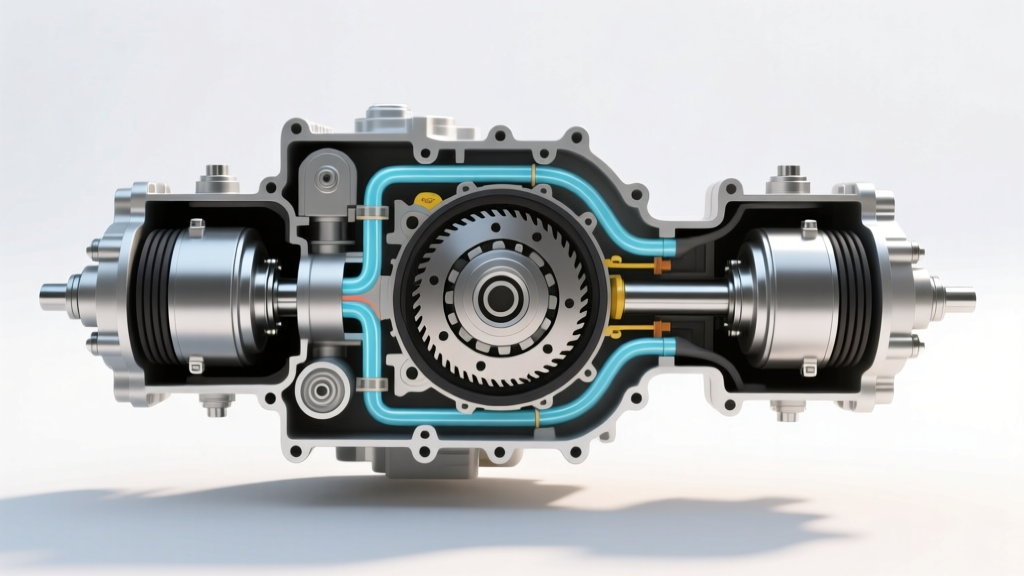
The 2017 Honda Pilot utilizes a sophisticated Real-Time 4WD architecture. Unlike traditional mechanical limited-slip differentials, this system relies on hydraulic pressure to distribute torque dynamically.
How the Real-Time 4WD System Operates
Dual Pump System: A proprietary all-wheel-drive mechanism developed by American Honda Motor Co., Inc. that utilizes two distinct hydraulic pumps to detect front-to-rear wheel speed differences, automatically engaging the rear axle clutch pack without requiring any manual driver intervention during slip events.
When the front wheels spin faster than the rear wheels, the hydraulic pressure differential activates a wet clutch pack. This transfers torque to the rear axle seamlessly. Proper lubrication is critical because the fluid acts as both a coolant and a hydraulic medium.
OEM vs Aftermarket Differential Fluid
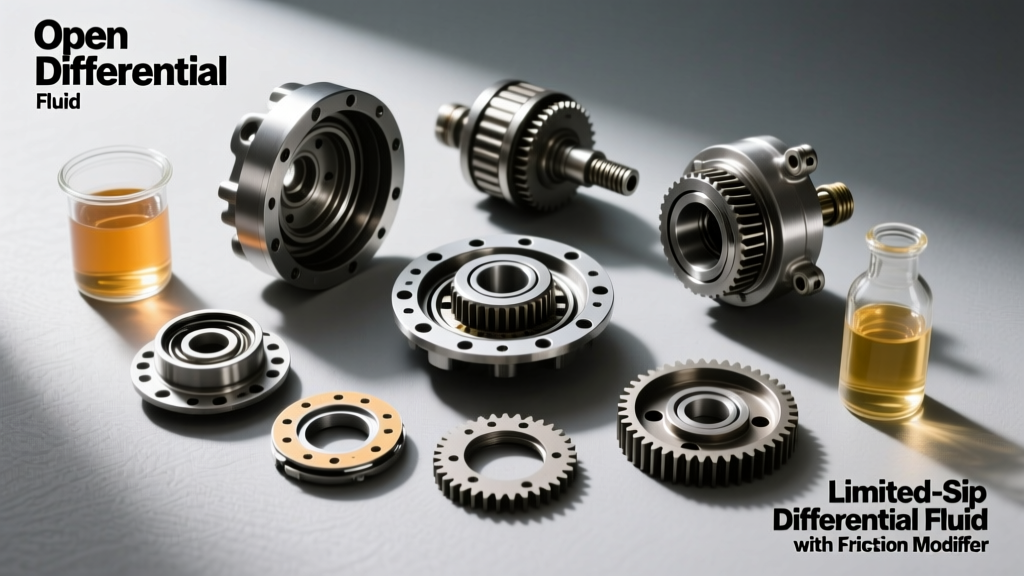
Selecting the correct aftermarket differential fluid for Honda dual pump setups is highly contentious among enthusiasts. The fluid must meet exact frictional requirements for the internal wet clutches.
Using standard 75W-90 gear oil results in severe groaning noises during tight parking lot turns. According to American Honda Motor Co., Inc. Service Bulletin 16-062, incorrect fluid viscosity causes the clutch plates to bind and chatter rather than slip smoothly.
| Fluid Type | Brand | Viscosity | Compatibility |
|---|---|---|---|
| Dual Pump Fluid II | Honda Genuine | Proprietary | 100% OEM Spec |
| Severe Gear 75W-90 | Amsoil Inc. | 75W-90 | Not Recommended for Dual Pump |
| VTM-4 Differential Fluid | Honda Genuine | Proprietary | Older Honda VTM-4 Systems Only |
Step-by-Step Fluid Change Procedure
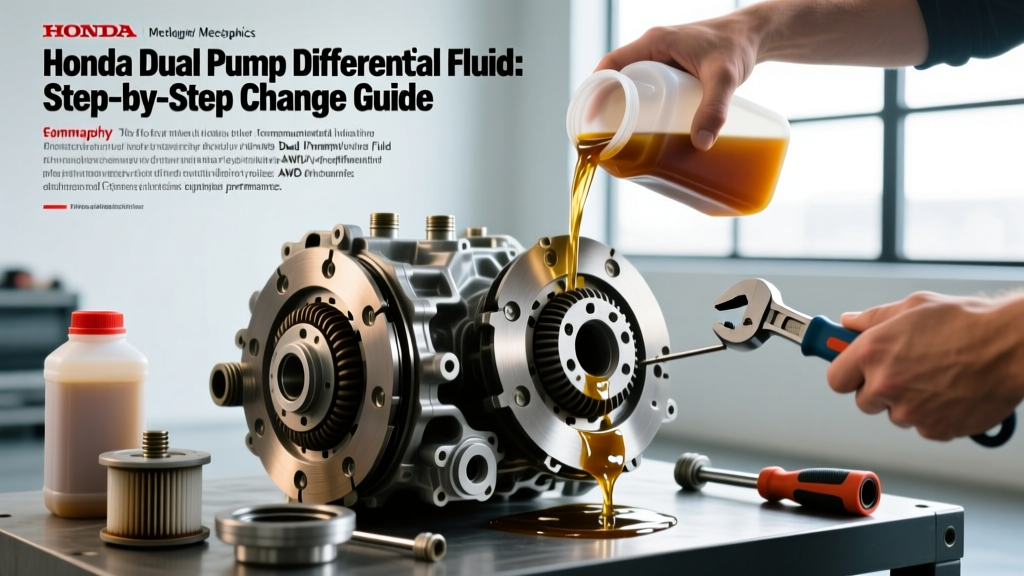
Performing the 2017 Honda Pilot dual pump rear differential fluid change takes approximately 45 minutes. Ensure the vehicle is parked on a level surface before beginning the extraction process.
Tools and Materials Required
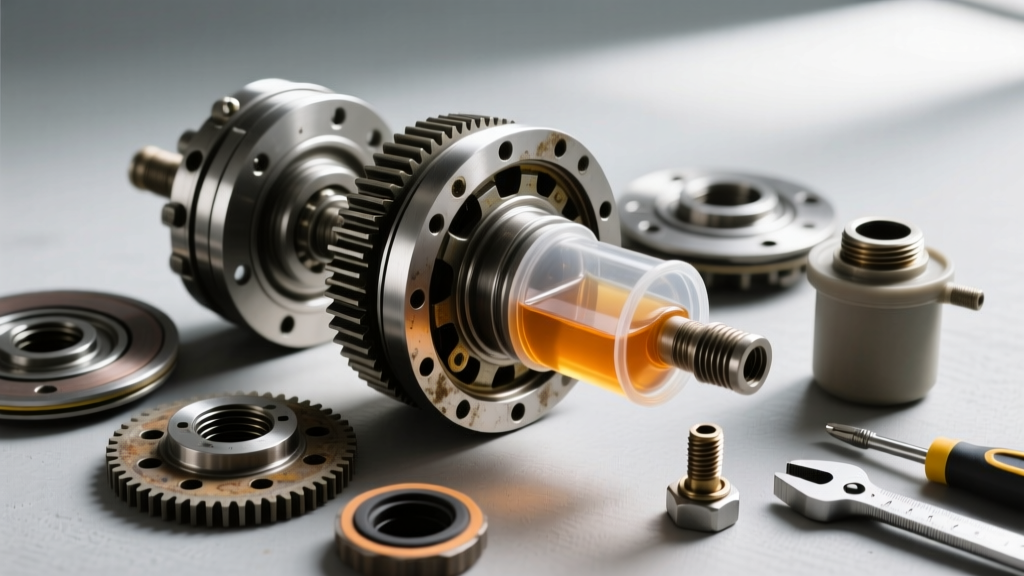
- 10mm hex socket (for drain and fill bolts)
- 3/8-inch drive torque wrench
- Fluid pump transfer tool
- Two 18mm aluminum crush washers
- 1.9 quarts (1.8 liters) of Honda Genuine Dual Pump Fluid II
Draining and Refilling Procedure
- Remove the 10mm fill bolt first to ensure you can refill the unit later without creating a vacuum lock.
- Place a catch pan beneath the differential and remove the 10mm drain bolt.
- Allow the fluid to drain completely for 15 minutes.
- Wipe the metallic debris from the magnetic drain plug using a clean microfiber cloth.
- Install a new crush washer on the drain bolt and torque it to 29 lb-ft (39 Nm).
- Pump the new fluid into the fill hole until it reaches the bottom of the threads.
- Reinstall the fill bolt with a new crush washer and torque to 29 lb-ft (39 Nm).
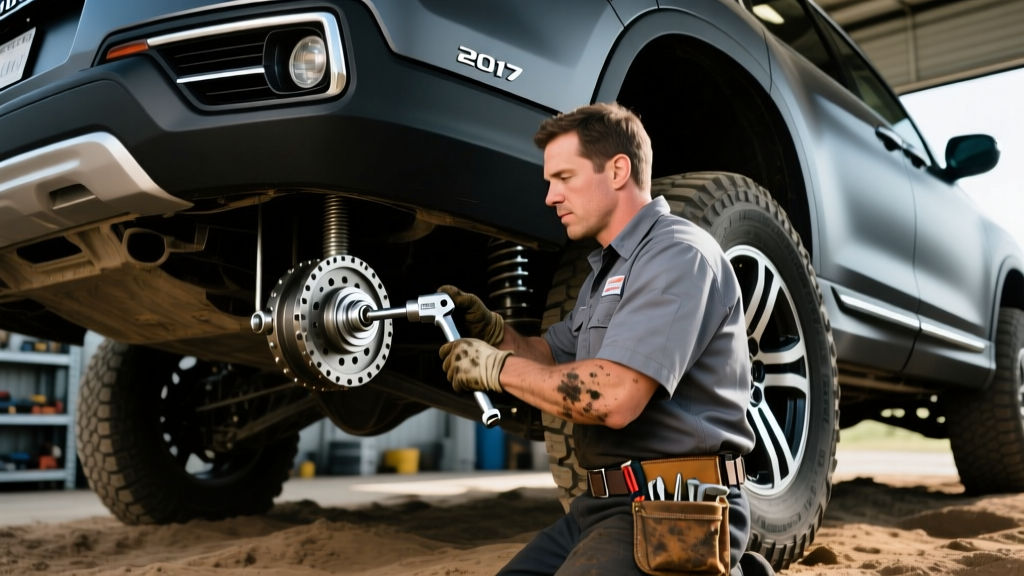
For detailed torque specifications, refer to the Honda Owners Online portal or your specific factory service manual. Total material cost for this procedure averages $45 USD, compared to $150 USD at a dealership.
Warning: Never use a pneumatic impact wrench to remove or install the differential fill and drain bolts. The aluminum housing threads will strip easily under high torque.
Frequently Asked Questions
Can I use regular gear oil in a Honda dual pump differential?
No. Regular gear oil lacks the specific friction modifiers required for the wet clutch pack. Using it will cause clutch chatter, binding, and eventual mechanical failure of the rear drive unit.
How often should I change the rear diff fluid on a 2017 Honda Pilot?
American Honda Motor Co., Inc. recommends inspecting the fluid every 15,000 miles (24,000 kilometers) and replacing it every 30,000 miles (48,000 kilometers) if the vehicle is driven under severe conditions, such as towing or frequent off-road use.
What happens if I don't change the dual pump fluid?
Over time, the fluid degrades and accumulates metallic clutch material. This leads to sluggish all-wheel-drive engagement, reduced traction in snow, and a distinct groaning noise during low-speed cornering.
Will an AWD warning light trigger if the fluid is low?
Yes, if the fluid level drops below the minimum threshold, the hydraulic pumps will cavitate. This triggers the AWD system warning light on the dashboard and forces the vehicle into front-wheel-drive mode to protect the clutch pack.
Conclusion and Next Steps
Maintaining the Honda dual pump differential requires strict adherence to fluid specifications and precise torque values. By executing this 2017 Honda Pilot dual pump rear differential fluid change yourself, you preserve the Real-Time 4WD functionality and avoid expensive drivetrain repairs. Your next step is to order three bottles of Honda Genuine Dual Pump Fluid II and two 18mm crush washers from your local parts distributor to complete the service this weekend.