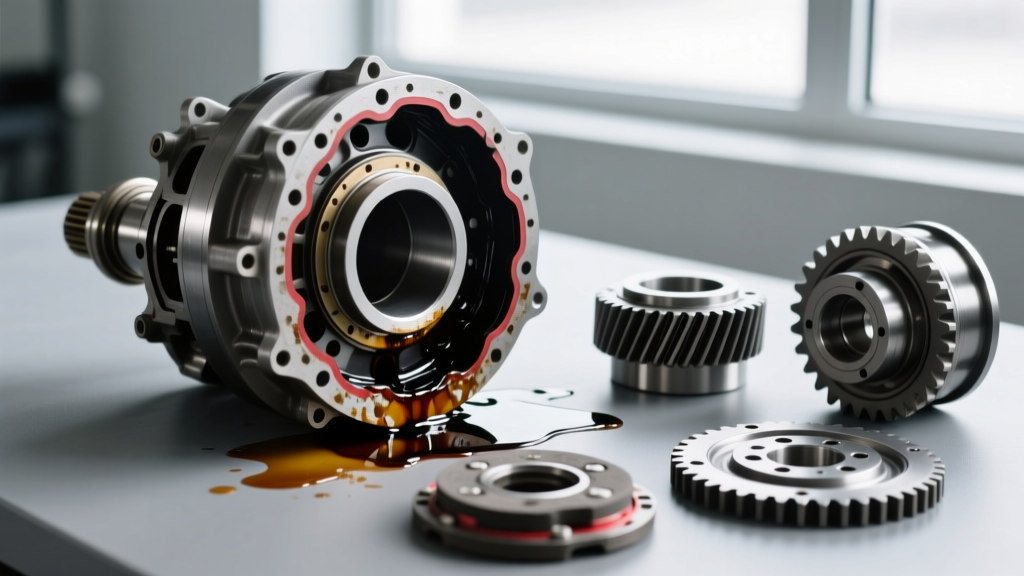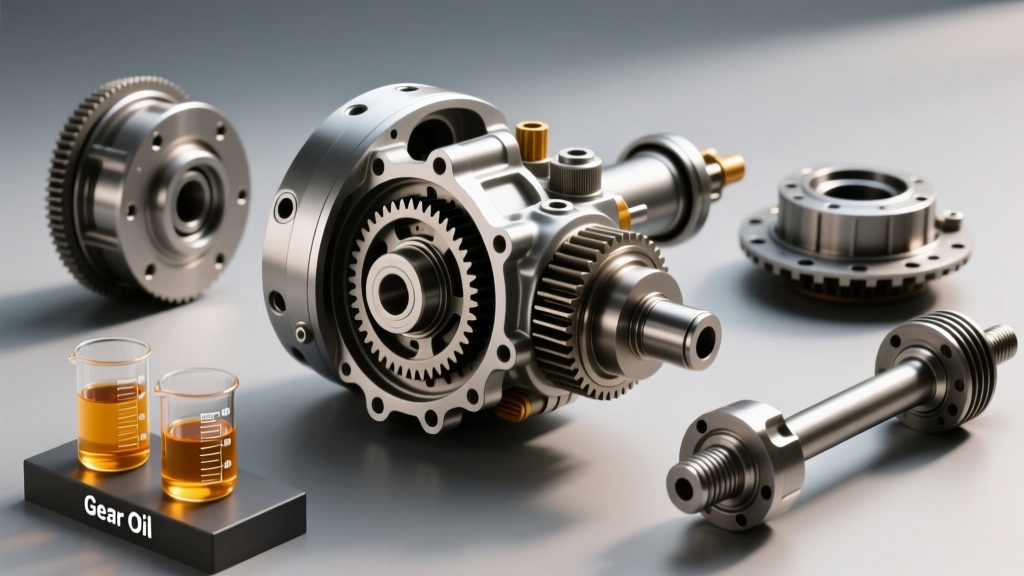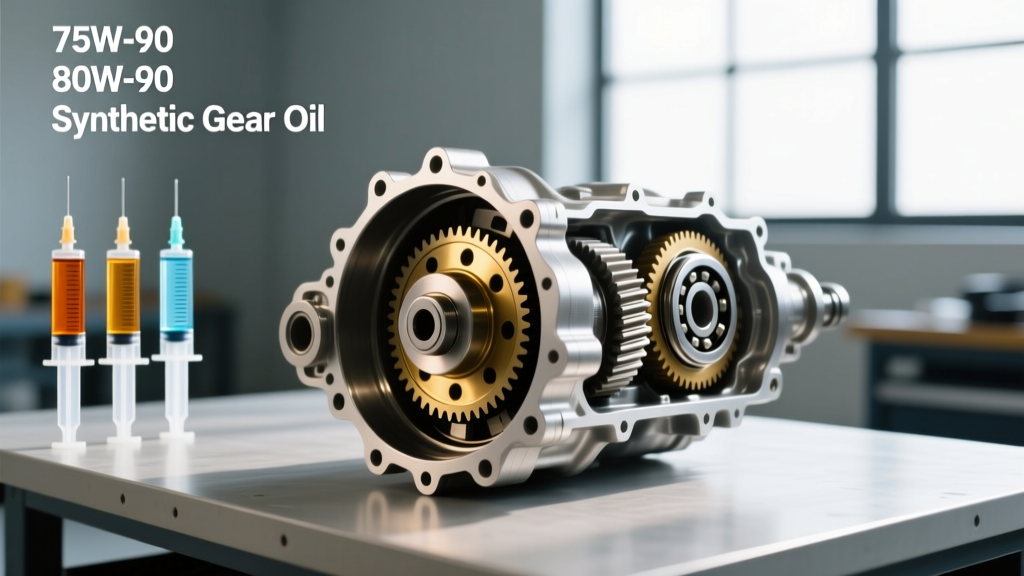
Front differential oil is a high-viscosity lubricant engineered to protect the ring and pinion gears inside a vehicle's front axle assembly. It prevents metal-on-metal wear and dissipates extreme heat in all-wheel-drive (AWD) and four-wheel-drive (4WD) systems. This comparison guide is built for DIY mechanics, off-road enthusiasts, and AWD daily drivers aiming to maximize drivetrain lifespan. Choosing the correct fluid prevents catastrophic gear failure and ensures optimal torque distribution.
Key Takeaways
- Synthetic 75W-90 gear oil offers superior thermal stability compared to conventional 80W-90 alternatives.
- Standard replacement intervals range from 30,000 miles to 60,000 miles depending on driving conditions.
- Always verify the American Petroleum Institute (API) GL-5 rating for hypoid gear protection.
Understanding Front Differential Gear Oil
The front differential transfers engine torque to the front wheels while allowing them to rotate at different speeds during cornering. This process generates immense friction and heat. High-quality gear oil coats the hypoid gears to prevent scoring and pitting under heavy loads.
Gear Oil Viscosity: A measure of a lubricant's resistance to flow at specific temperatures, standardized by the Society of Automotive Engineers. A 75W-90 rating indicates optimal flow at cold starts (75W) while maintaining protective film thickness at high operating temperatures (90).
American Petroleum Institute (API) GL-5 Rating: A performance classification indicating that a gear oil contains high levels of extreme pressure (EP) additives. These additives are mandatory for preventing wear in high-offset hypoid gears found in modern American Petroleum Institute certified differentials.
Synthetic vs. Conventional Front Differential Oil
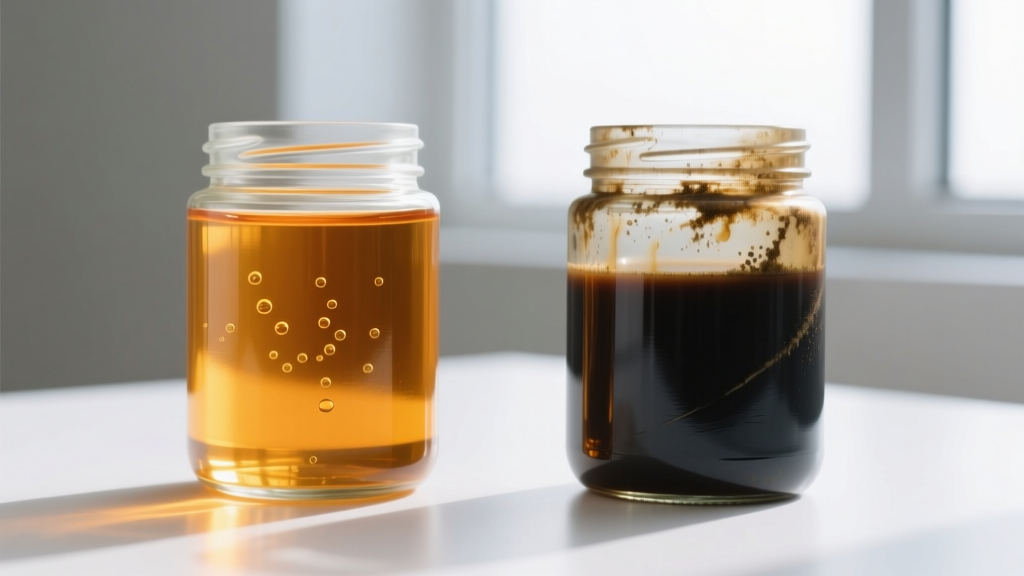
Selecting between synthetic and conventional formulations dictates your axle's thermal limits and service life. Synthetic molecules are uniformly sized, reducing internal fluid friction. Conventional oils contain irregular molecular chains that break down faster under extreme mechanical stress.
| Feature | Full Synthetic 75W-90 | Conventional 80W-90 |
|---|---|---|
| Thermal Breakdown Point | 350°F (176°C) | 250°F (121°C) |
| Cold Weather Flow | Excellent (down to -40°F) | Poor (thickens below 10°F) |
| Service Life | 50,000 to 100,000 miles | 30,000 to 50,000 miles |
| Average Cost per Quart | $12.50 USD | $6.00 USD |
Viscosity Grade Breakdown
Most modern AWD and 4WD vehicles specify 75W-90 gear oil for the front axle. This grade ensures rapid lubrication during cold morning starts. Older or heavy-duty trucks may require 80W-90 to maintain a thicker fluid film under extreme towing loads.
Always consult the manufacturer specifications before substituting grades. Using an 80W-90 fluid in a system designed for 75W-90 can cause sluggish engagement and increased parasitic drag. This reduces overall fuel efficiency by up to 2 percent.
Maintenance and Replacement Checklist
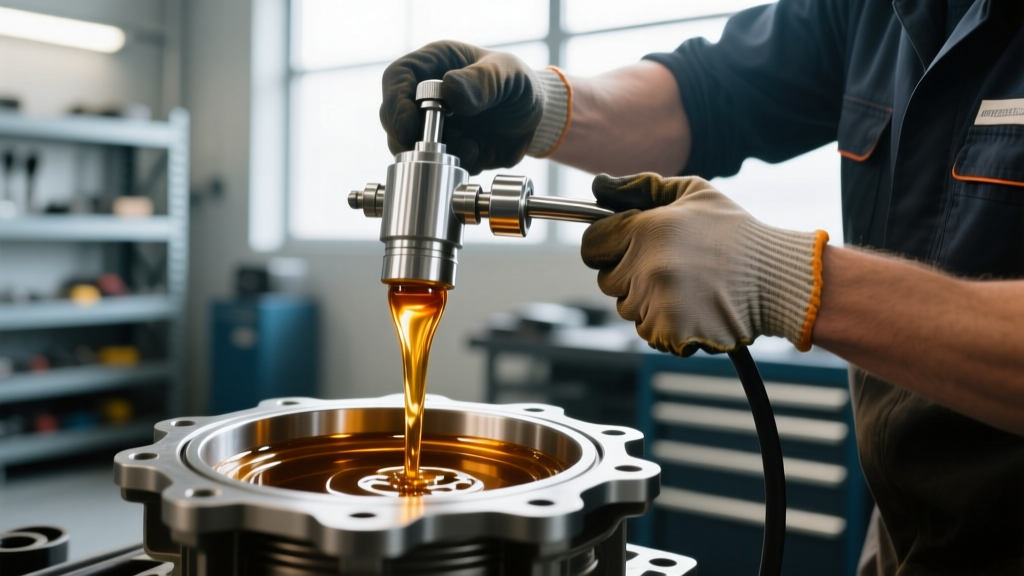
Neglecting front differential fluid leads to whining noises, bearing failure, and eventual gear seizure. Use this practical checklist to execute a flawless fluid exchange in your home garage.
DIY Replacement Checklist
- Verify the exact fluid capacity (typically 1.5 to 3.5 quarts for front axles).
- Purchase gear oil meeting the American Petroleum Institute GL-5 standard.
- Locate the fill plug first; never drain the axle before confirming the fill plug is removable.
- Use a dedicated fluid transfer pump to inject the new oil until it reaches the bottom of the fill hole threads.
- Torque the drain and fill plugs to manufacturer specifications (usually 25 to 40 lb-ft).
Recommended Change Intervals
Normal driving conditions require a front differential oil change every 50,000 miles. Severe driving conditions drastically shorten this interval. If you frequently tow, traverse deep water, or drive in extreme dust, replace the fluid every 15,000 to 30,000 miles.
Water intrusion is a primary cause of differential failure. Even a 5 percent contamination rate of water turns the gear oil into a milky emulsion. This destroys the lubricating boundary and causes rapid rust formation on the ring and pinion gears.
Frequently Asked Questions
What happens if front differential oil is low?
Running a front differential with low oil causes the ring gear to splash insufficient fluid onto the pinion gear and carrier bearings. This results in extreme heat buildup, metal shavings in the fluid, and a distinct whining or howling noise during acceleration. Complete failure will lock the front axle.
Can I use 80W-90 instead of 75W-90 in my front differential?
You should only use 80W-90 if explicitly approved by the vehicle manufacturer. Substituting a thicker 80W-90 oil in a precision AWD system designed for 75W-90 increases internal fluid drag. This can cause overheating in the front axle and may trigger binding in the center transfer case.
Does front differential oil require limited slip additives?
Most front differentials in modern 4WD trucks are open differentials or use electronic locking mechanisms that do not require friction modifiers. However, if your specific front axle contains a mechanical limited slip differential, you must use gear oil labeled with LS or add a separate friction modifier supplement.
Final Verdict and Next Steps
Front differential oil is the critical barrier preventing catastrophic wear in your vehicle's front axle assembly. Synthetic 75W-90 formulations provide the best balance of cold-weather flow and high-temperature shear stability for modern drivetrains. Matching the correct American Petroleum Institute GL-5 rating to your specific axle ensures maximum component longevity.
Your immediate next step is to check your owner's manual for the exact fluid capacity and viscosity requirement. Purchase the required volume of full synthetic gear oil and schedule your replacement before your next off-road excursion or heavy towing trip.