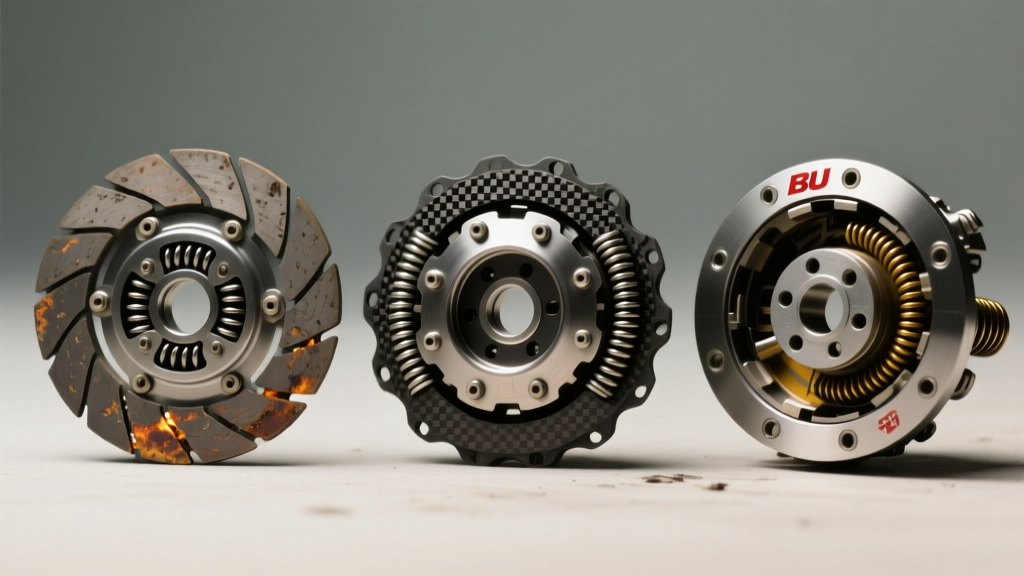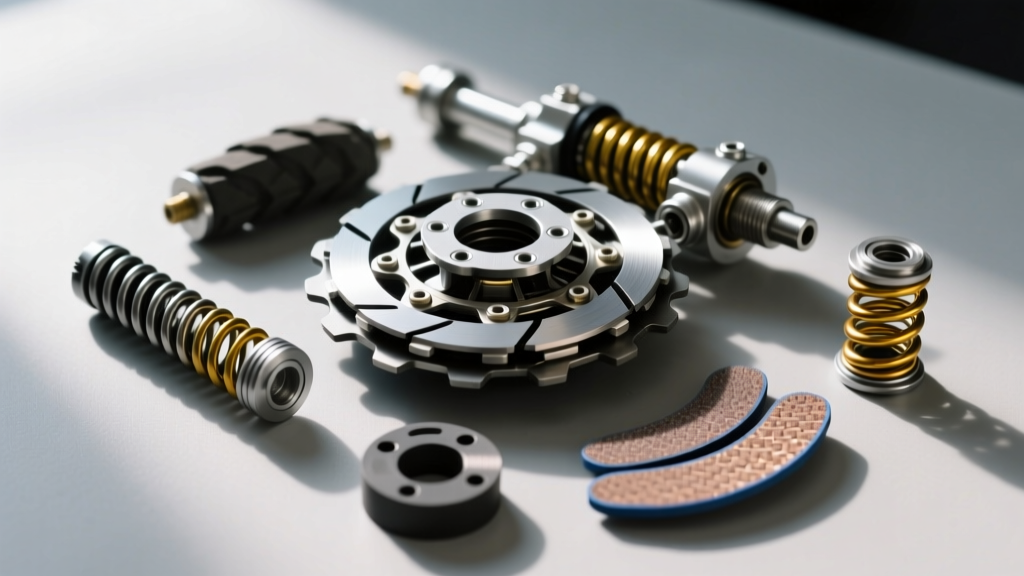
Building a competitive mini bike requires matching drivetrain components to your powerplant. For enthusiasts seeking a 4 speed mini bike transmission paired with a mini bike clutch for Predator engine applications, the optimal setup utilizes a sequential manual gearbox mated to a high-stall centrifugal clutch. This specific combination translates low-end torque into usable track speed without slipping under heavy load. This guide is specifically written for custom mini bike builders, amateur dirt track racers, and garage mechanics upgrading from single-speed stock configurations.
Key Takeaways
- Predator 212cc and 224cc engines require a 3/4-inch (19.05mm) bore clutch.
- A 4-speed sequential transmission demands a heavy-duty #25 or #35 roller chain.
- Proper drivetrain alignment within 0.030 inches prevents premature sprocket wear.
Understanding 4-Speed Mini Bike Transmissions
A 4-speed mini bike transmission provides distinct gear ratios that keep the engine in its optimal power band during acceleration. Unlike continuously variable transmissions (CVTs), a manual sequential gearbox offers direct mechanical engagement, resulting in immediate throttle response.
Most racing applications utilize a gearbox originally designed for pit bikes or small ATVs, adapted to the mini bike frame via custom motor mounts. The physical footprint of these transmissions requires careful chassis planning to ensure adequate ground clearance.
Selecting the Right Mini Bike Clutch for Predator Engines
When sourcing a mini bike clutch for Predator engine models like the Predator 212cc Ghost or the Predator 224cc Hemi, crankshaft diameter is the primary constraint. These engines feature a standardized 3/4-inch (19.05mm) output shaft, which dictates the inner bore of the clutch drum.
Definition: Centrifugal Clutch. A centrifugal clutch is an automatic coupling device that engages the drivetrain based on engine rotational speed. It uses weighted shoes that expand outward against a friction drum when the engine reaches a specific RPM threshold, allowing the mini bike to idle without stalling while providing direct lock-up at higher speeds.
For a 4-speed setup, you must select a clutch with an engagement RPM that matches your transmission's first-gear stall characteristics. A clutch engaging at 2,200 RPM pairs well with the low-end torque curve of the Predator 212cc, as documented in Harbor Freight's official Predator engine specifications. While torque converters offer variable gear reduction, a high-stall centrifugal clutch remains lighter and more reliable for dedicated 4-speed racing builds where the transmission handles all gear multiplication.
Compatibility and Installation Framework
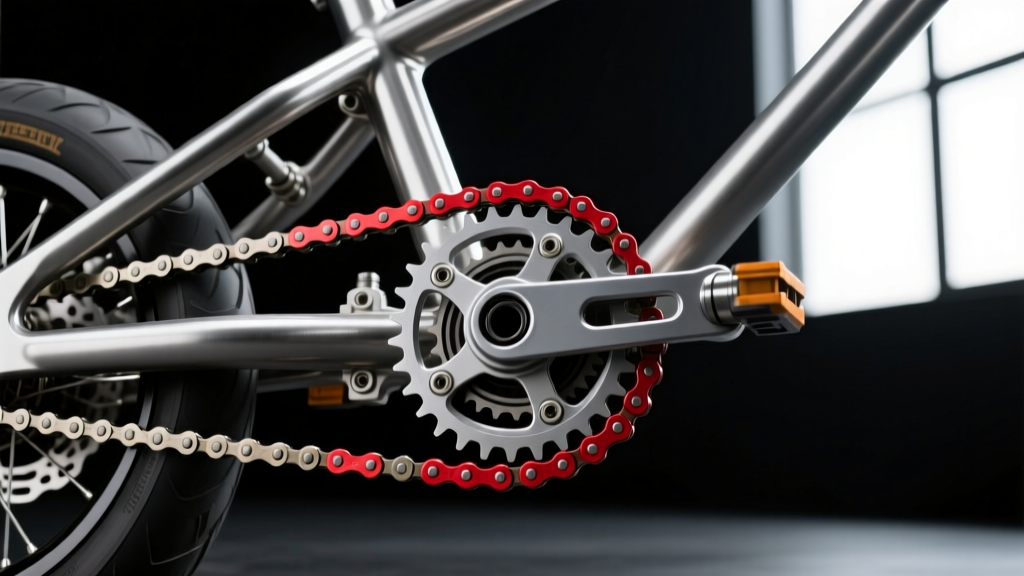
Integrating a manual transmission with a centrifugal clutch requires a jackshaft to route power to the rear axle. You can source these intermediate components from specialized suppliers like the BMI Karts mini bike drivetrain catalog.
Definition: Jackshaft. A jackshaft is an intermediate mechanical shaft used to transfer power between two distinct drivetrain components. In mini bike applications, it bridges the gap between the engine's output clutch and the rear axle sprocket, allowing for additional gear reduction and precise chain alignment across the frame.
Use the following compatibility matrix to verify your component clearances before purchasing parts:
| Component | Specification | Application Note |
|---|---|---|
| Clutch Bore | 3/4-inch (19.05mm) | Mandatory for Predator 212cc/224cc |
| Chain Pitch | #25 (1/4-inch) | Standard for clutch-to-jackshaft |
| Jackshaft Bearings | 5/8-inch inner diameter | Requires flanged pillow blocks |
| Alignment Tolerance | +/- 0.030 inches | Prevents chain derailment at 8,000 RPM |

Maintaining the 0.030-inch alignment tolerance is critical. Misalignment causes the #25 roller chain to climb the sprocket teeth, leading to catastrophic drivetrain failure under racing loads.
Frequently Asked Questions
Can I put a 4-speed transmission on a Predator 212cc engine?
Yes, but it requires an adapter plate and a custom jackshaft. The Predator 212cc lacks the internal oiling system to lubricate a bolt-on automotive-style gearbox directly, so you must use an external sequential transmission driven by the engine's output shaft via a clutch and chain.
What size clutch fits a Predator 224cc Hemi engine?
The Predator 224cc Hemi engine utilizes the exact same 3/4-inch (19.05mm) crankshaft diameter as the 212cc models. Therefore, any 3/4-inch bore centrifugal clutch or torque converter kit designed for the Predator 212cc will physically bolt onto the 224cc Hemi.
How do I align a mini bike clutch to a 4-speed transmission?
You align the clutch to the transmission's input sprocket using a straight edge and feeler gauges. Measure the distance from the clutch drum face to the sprocket teeth, adjusting the engine mount position until the variance is less than 0.030 inches across the entire rotational plane.
Do I need a torque converter for a 4-speed mini bike?
No. A torque converter acts as an automatic transmission itself. Pairing a torque converter with a 4-speed manual transmission creates redundant gearing, adds unnecessary rotating mass, and saps horsepower. Stick to a direct-engagement centrifugal clutch for manual gearbox applications.
Conclusion and Next Steps
Successfully pairing a 4 speed mini bike transmission with the correct mini bike clutch for Predator engine platforms hinges on precise dimensional matching and strict alignment tolerances. By respecting the 3/4-inch bore requirement and utilizing a properly spaced jackshaft, you ensure reliable power delivery to the rear wheels.
Your immediate next step is to measure your specific chassis engine mount spacing and order a 3/4-inch bore clutch drum with a 12-tooth #25 sprocket to begin your physical mock-up phase.