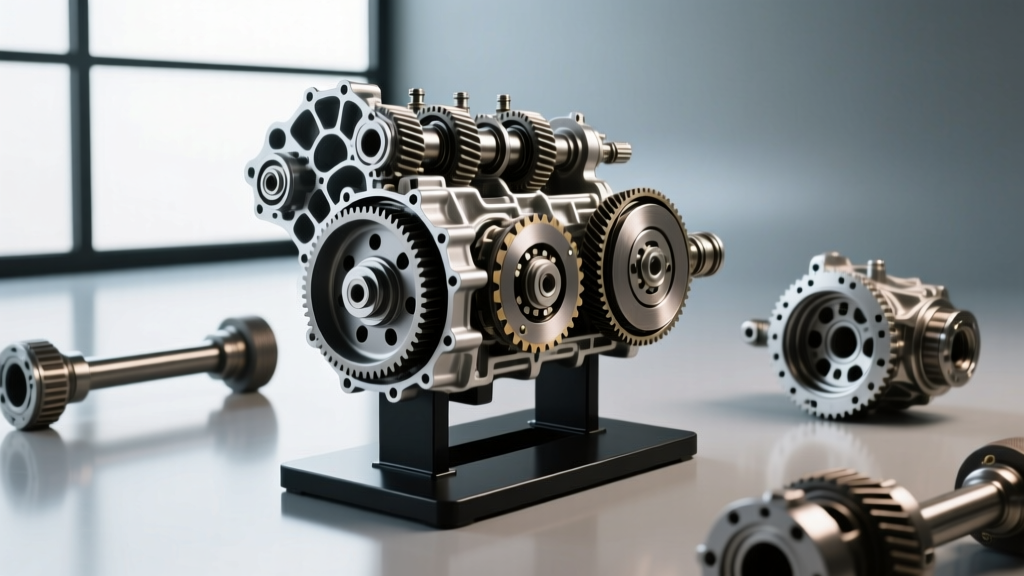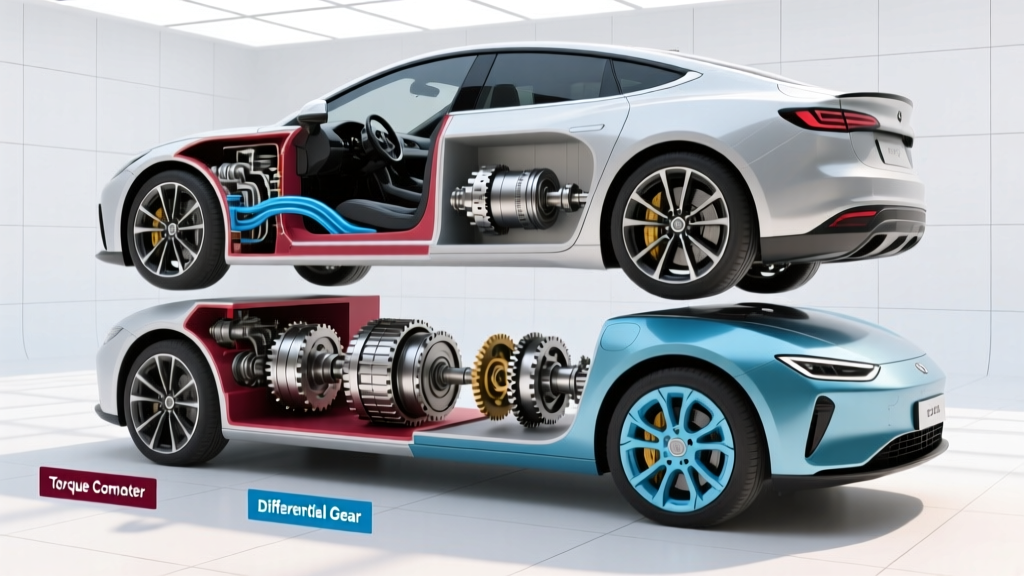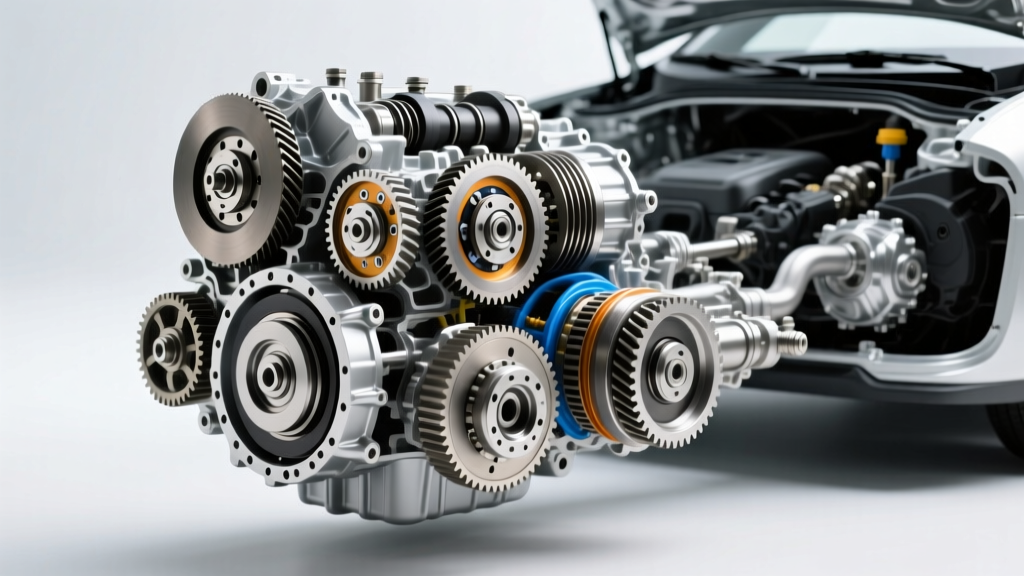
The physical transmission location depends entirely on the vehicle's drivetrain layout. In rear-wheel drive (RWD) vehicles, the transmission is located longitudinally, bolted directly to the rear of the engine block. In front-wheel drive (FWD) vehicles, it is located transversely, integrated into a single housing called a transaxle, usually mounted to the side of the engine. This guide is designed for DIY mechanics, automotive students, and new car owners seeking to understand vehicle architecture for maintenance, repair, or general knowledge.
Key Takeaways
- RWD Vehicles: The transmission is mounted longitudinally directly behind the engine.
- FWD Vehicles: The transmission (transaxle) is mounted transversely beside the engine.
- EVs: Reduction gears are located inside the electric drive unit housing near the axles.
The Direct Answer: Where Is the Transmission Located?
To locate your car's transmission, you must first identify your engine orientation. If your engine is mounted north-south (longitudinally), the transmission sits directly behind it, running under the center console toward the rear axle. If your engine is mounted east-west (transversely), the transmission is bolted to the side of the engine block, sharing a single casing with the differential.
Identifying this location is critical before attempting any fluid checks or mechanical repairs. Accessing the drain plug or dipstick requires knowing whether you are reaching under the center of the vehicle or down into the front wheel well.
Transmission Location by Drivetrain Configuration
Front-Wheel Drive (FWD) and Transaxles
In FWD architectures, the transmission and differential are combined into a transaxle. This unit is mounted transversely to the engine, typically on the driver's or passenger's side of the engine bay. A typical modern 8-speed automatic transaxle weighs between 150 to 250 pounds.
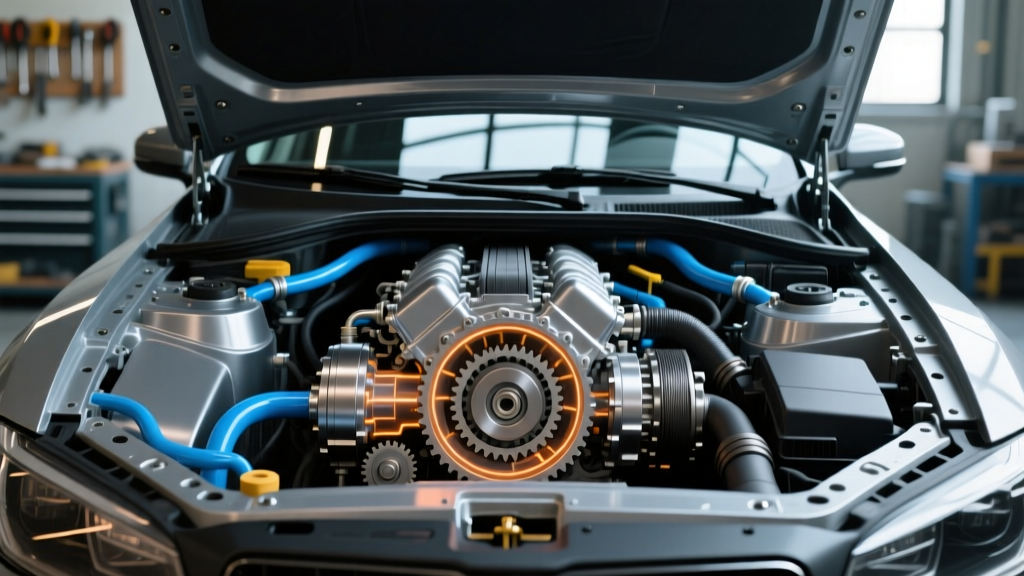
Power flows from the engine into the transaxle, then directly out to the front wheels via constant velocity (CV) axles. These CV joints operate at up to a 45-degree angle during full steering lock, requiring precise spatial packaging within the front subframe.
Rear-Wheel Drive (RWD) Layouts
RWD vehicles utilize a longitudinal layout. The transmission is bolted to the rear of the engine via a bell housing, sitting beneath the cabin floor. A driveshaft then carries the rotational force rearward to a separate differential.
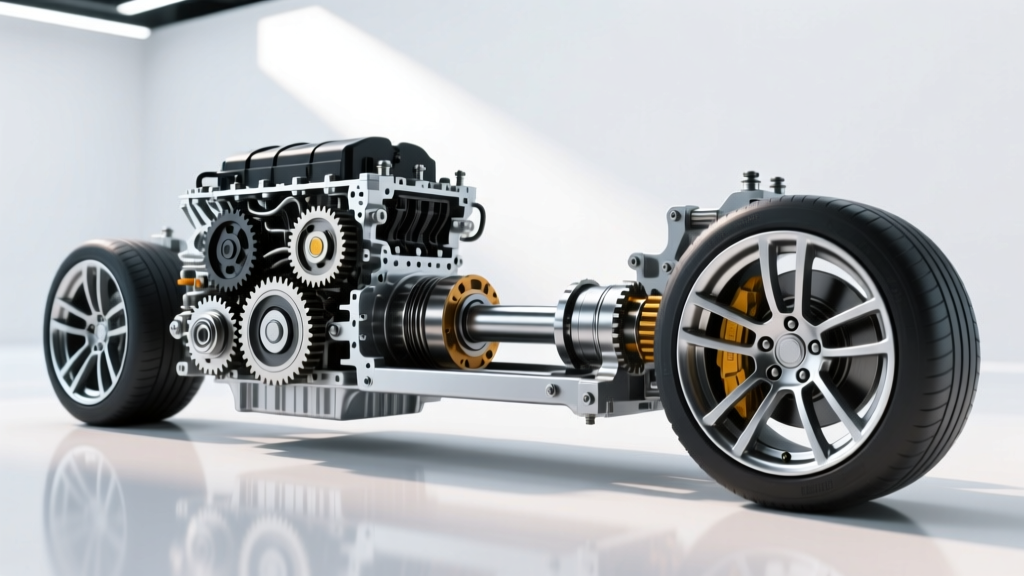
This differential redirects the power flow by 90 degrees to the rear wheels. According to engineering standards published by the Society of Automotive Engineers, this separation of components allows for better front-to-rear weight distribution, which is why it remains the standard for sports cars and heavy-duty trucks.
All-Wheel Drive (AWD) and Four-Wheel Drive (4WD)
AWD and 4WD systems build upon the RWD or FWD layouts by adding a transfer case. In longitudinal setups, the transfer case is bolted directly to the rear of the transmission. This secondary gearbox splits torque between the front and rear axles.
In transverse FWD-based AWD systems, a power take-off (PTU) is attached to the transaxle. The PTU redirects power backward via a driveshaft to a rear differential. Heavy-duty 4WD transmissions often require up to 10.5 liters of specialized fluid to cool the internal clutches and gears during low-range off-road operation.
Electric Vehicle (EV) Transmission Placement
Electric vehicles generally do not use multi-speed transmissions. Instead, they rely on a single-speed reduction gear. This component is housed directly inside the electric drive unit (eDU), which is mounted directly over the driven axle.
Because electric motors can safely spin up to 15,000 RPM, the reduction gear lowers this speed to usable wheel RPM while multiplying torque. The United States Department of Energy notes that integrating the motor, inverter, and reduction gear into a single eDU housing reduces wiring complexity and saves roughly 15% in overall drivetrain weight compared to separated components.
Drivetrain Transmission Location Matrix
Use this decision framework to quickly identify your transmission layout based on your vehicle's specifications.
| Drivetrain Type | Engine Orientation | Transmission Location | Key Identifying Feature |
|---|---|---|---|
| Front-Wheel Drive (FWD) | Transverse (East-West) | Side of engine block | CV axles connect directly to the transaxle |
| Rear-Wheel Drive (RWD) | Longitudinal (North-South) | Behind engine, under cabin | Bell housing connects to engine; driveshaft exits rear |
| All-Wheel Drive (AWD) | Varies | Side or behind engine | Presence of a PTU or transfer case |
| Electric Vehicle (EV) | N/A (Motor placement) | Inside eDU over the axle | No exhaust; high-voltage cables lead to the drive unit |
Key Transmission Terminology
Transaxle
A transaxle is a single integrated mechanical component that combines the functionality of a transmission, axle, and differential into one housing. It is primarily used in front-wheel drive and rear-engine vehicles to distribute power to the drive wheels while saving space and reducing overall vehicle weight.
Torque Converter
A torque converter is a type of fluid coupling that transfers rotating power from a prime mover, like an internal combustion engine, to a rotating driven load. It multiplies engine torque during acceleration and allows the vehicle to stop without stalling the engine.
Reduction Gear
A reduction gear is an arrangement of gears that reduces the input speed from an electric motor to a lower, more usable output speed at the wheels. This mechanism increases torque multiplication, allowing high-revving electric motors to efficiently propel heavy vehicles from a standstill.
Frequently Asked Questions
Where is the transmission on a front-wheel drive car?
On a front-wheel drive car, the transmission (transaxle) is located in the engine bay, bolted directly to the side of the transversely mounted engine. It sits above or slightly behind the front axle centerline, with CV shafts protruding from its sides into the wheel hubs.
Where is the transmission located on a rear-wheel drive truck?
On a rear-wheel drive truck, the transmission is located longitudinally beneath the cabin floor. It is bolted to the rear of the engine block via a bell housing and connects to a driveshaft that runs underneath the vehicle's chassis to the rear differential.
Do electric cars have a transmission and where is it?
Electric cars have a single-speed transmission known as a reduction gear. It is located inside the electric drive unit (eDU) housing, which is typically mounted directly adjacent to or coaxially with the electric motor over the driven axle.
Conclusion and Next Steps
Understanding your transmission location is the foundational step for any drivetrain maintenance. Whether you are dealing with a transverse transaxle in a compact commuter car or a longitudinal gearbox in a heavy-duty truck, knowing exactly where the unit sits dictates your approach to fluid changes and diagnostics.
Next Step: Consult your vehicle's specific factory service manual to locate the exact position of the transmission fluid dipstick or drain plug. As recommended by ZF Friedrichshafen AG, always verify the fluid level at the correct operating temperature to ensure accurate readings and prevent mechanical wear.